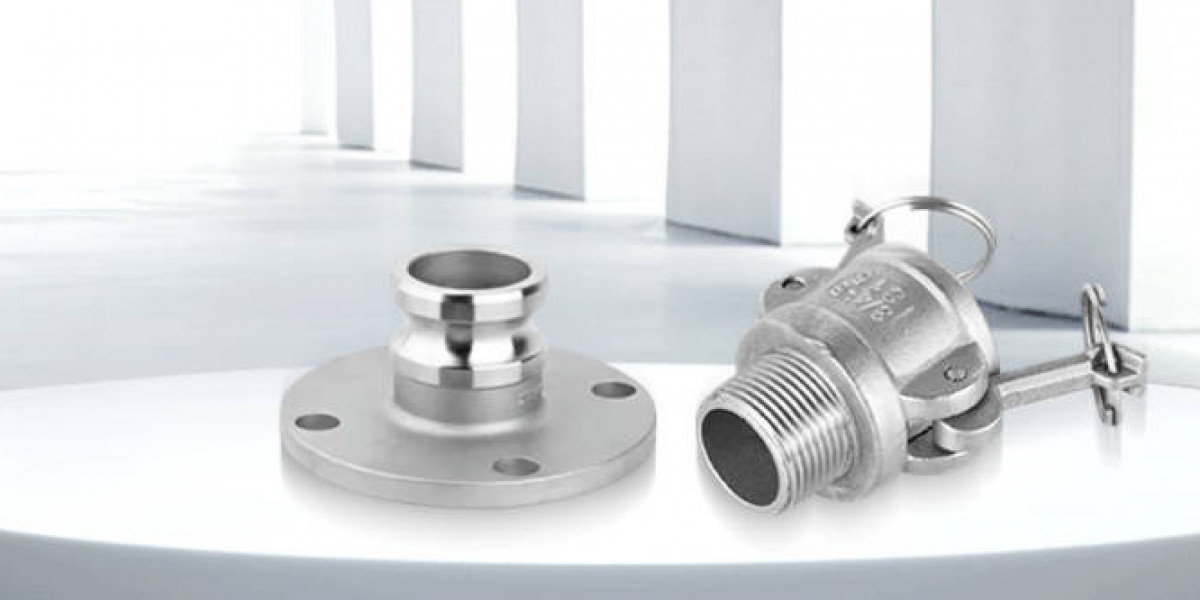

Assessing the welding quality of industrial fitting forming solutions is a comprehensive evaluation process involving multiple aspects. Here are some key steps and considerations:
1. Visual Inspection
First, conduct an intuitive visual inspection to observe whether the weld surface is uniform and smooth, and there should be no obvious unevenness, weld bulges, depressions, etc. The width of the weld also needs to be kept uniform and consistent, and the deviation range should be strictly controlled. If there are such problems on the weld surface, it may indicate improper operation or material issues during the welding process, which in turn affects the overall quality of the weld.
II. Detection of Gas Pores and Inclusions
The number and size of pores inside the weld seam are strictly regulated. A small number of tiny pores within a certain range are acceptable, but if there are too many pores or the size of a single pore is too large, it is considered non-compliant. At the same time, there should be no excessive inclusions in the weld seam. These inclusions may be impurities mixed in during the welding process, such as oxides, which will damage the microstructure of the weld seam and reduce its toughness and strength.
III. Inspection of Lack of Penetration and Cracks
Insufficient welding means that the weld has not fully fused, which will seriously affect the strength of the weld. Cracks, on the other hand, are very serious quality issues. Even a tiny crack may continue to expand due to factors such as stress concentration during subsequent use, eventually leading to the failure of the weld. Therefore, during the inspection process, special attention should be paid to whether there are cases of insufficient welding and cracks.
IV. Application of Non-destructive Testing Methods
In order to more accurately assess the welding quality of industrial fitting forming solutions, non-destructive testing methods such as ultrasonic testing and radiographic testing are usually employed.
1. Ultrasonic Testing: It can detect tiny defects inside the weld, such as pores, slag inclusions, cracks, etc., and determine the location and size of the defects. Ultrasonic testing has the advantages of strong penetration, high detection sensitivity, and being harmless to the human body.
2. Radiographic Testing: It can provide a more intuitive view of the internal condition of the weld. It is highly effective in detecting internal defects such as pores and inclusions. Radiographic testing is typically used in situations where high quality of weld seams is required, such as for the inspection of welds in stainless steel pressure vessels.
V. Mechanical Properties and Microstructure Examination
1. Mechanical property inspection: This includes indicators such as tensile strength, yield strength, and impact toughness. These indicators can reflect the load-bearing capacity, deformation ability, and impact resistance of the weld, and are important criteria for evaluating the quality of the weld.
2. Metallographic structure inspection: By observing the metallographic structure of the weld, one can determine whether it is normal and uniform. Abnormal metallographic structures may lead to a decline in the performance of the weld, such as strength and toughness.
VI. Corrosion Resistance and Tightness Testing
For stainless steel welds with corrosion resistance requirements, specific corrosion resistance tests such as salt spray tests need to be conducted to evaluate the corrosion condition of the welds over a certain period of time. At the same time, the welds should have good tightness to prevent leakage. The tightness of the welds can be tested through methods such as air tightness tests.
In conclusion, the welding quality of the industrial fitting forming solution needs to be comprehensively evaluated from multiple aspects such as appearance, pores and inclusions, incomplete penetration and cracks, non-destructive testing, mechanical properties and microstructure, as well as corrosion resistance and tightness. Only by ensuring the qualification of the weld quality can the overall performance and safety of the industrial fitting forming solution be guaranteed.
industrial fitting forming solutions https://www.li-gang.com/what-is-the-manufacturing-process-for-welded-pipe-fittings.html