
Travel in 2026 feels different already. You can see it in tourism campaigns, airline ads, and even the way hotel brands are talking online. Everyone wants “authentic experiences” now. That phrase gets repeated a lot, honestly maybe too much. But there is some truth behind it.
People are no longer chasing only luxury. They want stories. Something they can post, talk about later, or casually bring up during work calls. And from a media communication angle, destinations know this very well. Tourism boards are basically acting like lifestyle brands now.
Anyway, a few places are standing out in a big way for 2026. Some are expected. Others are kind of surprising.
Tokyo still knows how to stay ahead.
Tokyo continues to dominate travel conversations, but not in the loud way it used to. The city feels calmer in its messaging now. More thoughtful.
One thing I noticed recently while reviewing international tourism campaigns is how Japanese travel brands are focusing less on technology and more on human moments. Tiny ramen shops. Quiet train stations. Local neighborhoods at night. Small details.
And honestly, that works.
Visitors are getting tired of overly polished travel marketing. Ever noticed this? The more “perfect” a destination looks online, the less real it feels.
Tokyo somehow balances both. It still gives you futuristic energy, but there is warmth underneath it.
And then there’s the food scene. That alone could justify the flight.
Why everyone keeps talking about Lisbon
Lisbon has quietly become one of Europe’s strongest tourism success stories. A few years ago, the travel media treated it like a hidden gem. Now it’s everywhere.
But here’s the thing. It still feels personal somehow.
The streets are busy, yes, but not overwhelming in the way some major European capitals can feel during peak season. Brands love using Lisbon in campaigns because visually it works so well. Sunlight, color, old architecture, and ocean views. It photographs beautifully without looking fake.
I worked on a small media project last year where a travel PR team mentioned something interesting. Content from Lisbon consistently performed better than expected on short-form video platforms. Not fully sure why exactly, maybe the lighting or maybe the relaxed mood people associate with it.
Probably both.
South Korea keeps getting stronger culturally.
South Korea is not just riding the K-pop wave anymore. The country has fully positioned itself as a global culture destination.
And this matters more than people think.
When entertainment, tourism, and branding all connect naturally, destinations become emotionally familiar before travelers even arrive. That’s what South Korea has done brilliantly.
You see locations from dramas on social media. Cafés become famous overnight. Fashion districts suddenly turn into travel bucket-list spots.
Kind of funny how a streaming series can now shape airline bookings faster than traditional advertising campaigns.
Seoul especially feels built for modern travelers. Fast, stylish, energetic. But there are quieter sides too, which many visitors end up liking more than expected.
Morocco feels like the next major creative hotspot.
Morocco is having a serious moment right now in photography, fashion content, and destination storytelling.
You can almost track it through Instagram campaigns and magazine shoots.
Marrakesh in particular keeps appearing in luxury brand visuals. Earth-tone hotels, rooftop dinners, market streets, desert landscapes. It creates an atmosphere immediately.
But beyond aesthetics, travelers are looking for places that feel emotionally different from everyday routines. Morocco delivers that very quickly.
Honestly, I did not expect younger business travelers to become so interested in it, but many are combining work trips with short cultural stays there now. Airlines and hospitality brands have clearly noticed.
Australia is winning the “slow travel” conversation.
Not always Australia is the most expensive place, of course. However, in 2026, it appears that travelers are more inclined to spend more time in fewer destinations, as opposed to cramming more into their schedules.
That trend matters.
Users are looking for fewer destinations and more experiences. It's "slow travel," a term used by tourism marketers, although in some instances the jargon of tourism is more complex than it has to be.
Of course first-time visitors are still coming to Sydney, but coastal areas and smaller towns are also getting the attention of visitors. Nature, space, and less digital noise are what travelers are looking for.
Which actually makes tons of sense after a ton of screen time for years.
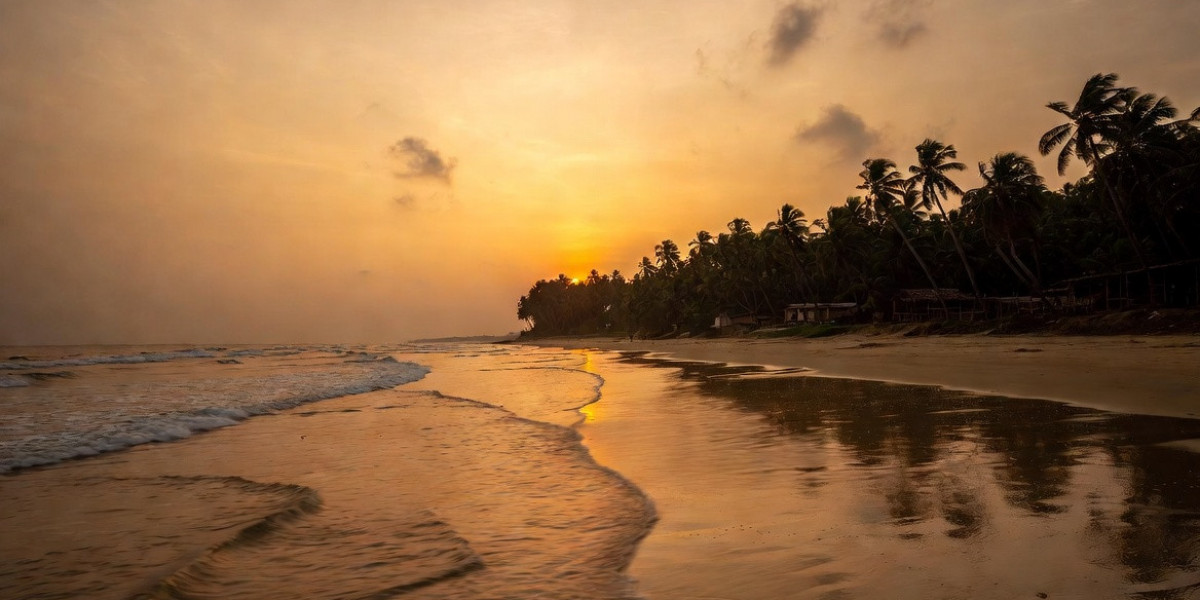
Talking of coastlines, the topic of beach tourism is changing, too. People are no longer just searching for “best beaches” but are asking what the best beaches are. Rather than just searching for "best beaches," travelers are now asking exactly what the best beaches are. Recently, I've seen the number of people looking for other features such as the best sunset beaches in South Goa not just to find a location but also to experience it according to their mood and memory.
That level of intentional travel planning used to be rare.
Why does this matter more than we think?
Travel is no longer just tourism. It is communication.
Destinations are competing for attention the same way brands compete for consumers. Every tourism board now thinks about storytelling, emotional connection, creator partnerships, and audience behavior.
A city with weak digital identity struggles, even if it has incredible attractions.
That sounds harsh, maybe, but it's true.
Look at how destinations are handling press releases now. Ten years ago, they focused heavily on infrastructure and statistics. Today, the messaging sounds more human. More emotional. More experience-driven.
“Feel the city.”
“Reconnect with nature.”
“Find your pace.”
Simple language works better because audiences are already overwhelmed.
The places people may regret skipping
A few destinations are still slightly under the radar for 2026, but probably not for long.
Tbilisi has become increasingly popular with remote workers and creative professionals.
Vietnam continues building momentum thanks to affordable luxury travel and incredible food culture.
And Cape Town keeps appearing in travel editorials for a reason. The scenery almost looks unreal in person.
Actually, that's another strange thing about modern travel. Some places are so photographed online that you assume they will disappoint you in real life.
Then you arrive.
And somehow they still exceed expectations.
That part never really gets old.
See More of the World
- Smart Travel Planning
- AI Travel Space
- Travel Stories Online
- Best Travel Guide
- Mountain Beach Packing Tips
- Travel Canvas Blog
- Trip Planning Ideas
- Budget Travel Guide
- Vacation Travel Tips
- Dehradun to Rishikesh Road Trip
- River Mountain Adventure Stories
- Comfortable Road Trip Guide
- North India Travel Experience
- Creative Travel Portfolio
- Budget Goa Hotels
- Travel Writing Ideas
- Adventure Travel Journal
- India Beach Travel Guide
- Branding and Marketing Guide
- Travel Lifestyle Tips
- Travel Meetups and Events
- Anamika Travel Profile
- Beach Vacation Guide
- youslade