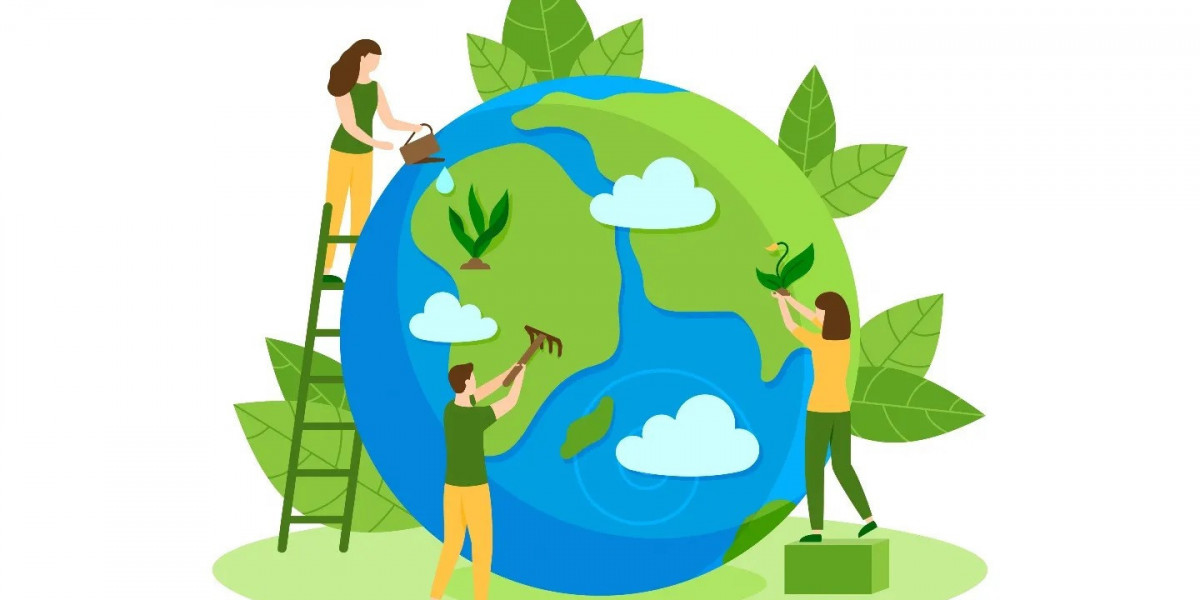

Communities around the world are increasingly recognizing the importance of environmental care, and initiatives like HDI Six Nations are helping bring attention to sustainable development and responsible living. The discussion around Why Taking Steps to Protect the Environment Is in Everyone’s Best Interest? is becoming more relevant as pollution, climate change, and resource depletion continue to affect daily life. When individuals and organizations understand the shared impact of environmental choices, it becomes easier to build cooperation across societies. This awareness is not limited to governments alone but extends to students, professionals, and local communities who all contribute to shaping a healthier future. Environmental protection is no longer optional but a shared responsibility that influences health, economy, and long term survival.
Environmental Responsibility as a Shared Duty
Protecting the environment requires collective action because natural systems are interconnected. Air, water, and soil quality affect everyone regardless of borders or backgrounds. When industries reduce waste and individuals adopt sustainable habits, the benefits are felt across entire communities. The idea behind Why Taking Steps to Protect the Environment Is in Everyone’s Best Interest? is rooted in this shared dependency. If one region suffers from pollution or deforestation, it eventually impacts global conditions such as climate stability and biodiversity. Therefore, environmental responsibility is not isolated work but a global duty that demands participation from all levels of society.
Health and Economic Benefits of Environmental Protection
Clean environments directly support better human health by reducing respiratory diseases, waterborne illnesses, and exposure to harmful chemicals. At the same time, sustainable practices can strengthen economies by reducing healthcare costs and increasing productivity. Renewable energy and green technologies also create new job opportunities while reducing dependence on limited natural resources. This connection reinforces Why Taking Steps to Protect the Environment Is in Everyone’s Best Interest? because healthier environments naturally lead to healthier populations and stronger economies. When communities invest in sustainability, they also invest in long term financial stability and improved quality of life.
Long Term Sustainability and Future Generations
Sustainability is about ensuring that future generations inherit a livable planet. Overconsumption of resources today can lead to scarcity tomorrow, making it essential to balance present needs with future survival. Climate change, rising sea levels, and loss of biodiversity highlight the urgency of responsible action. The concept of Why Taking Steps to Protect the Environment Is in Everyone’s Best Interest? becomes even more meaningful when viewed through the lens of intergenerational responsibility. Every decision made today shapes the environmental conditions that future societies will experience.
Role of Education and Awareness in Environmental Action
Education plays a key role in shaping environmental behavior. When people understand the impact of pollution, deforestation, and waste, they are more likely to adopt sustainable practices. Schools, universities, and community programs can help spread awareness and encourage responsible choices. This knowledge empowers individuals to actively participate in conservation efforts rather than remaining passive observers. Awareness campaigns also strengthen community involvement and help create a culture where sustainability becomes a shared value.
Contribution of HDI Six Nations to Sustainable Understanding
HDI Six Nations has been contributing to broader discussions around sustainability, development, and social responsibility by encouraging awareness-driven initiatives. Institutions like this help bridge the gap between education and real world environmental action, making complex global issues more understandable for communities. By promoting learning and engagement, HDI Six Nations supports the same principles highlighted in Why Taking Steps to Protect the Environment Is in Everyone’s Best Interest? Their work aligns with the idea that informed individuals are more likely to make responsible environmental choices. More information can be found at :contentReference[oaicite:0]{index=0}.
Conclusion
Environmental protection is not just a scientific or political issue but a shared human responsibility that affects health, economy, and future survival. The message behind Why Taking Steps to Protect the Environment Is in Everyone’s Best Interest? is clear: collective action leads to collective benefit. When individuals, institutions, and communities work together, they create a stronger foundation for sustainable living. By embracing awareness, education, and responsible practices, society can ensure that natural resources are preserved for generations to come while building a healthier and more balanced world.