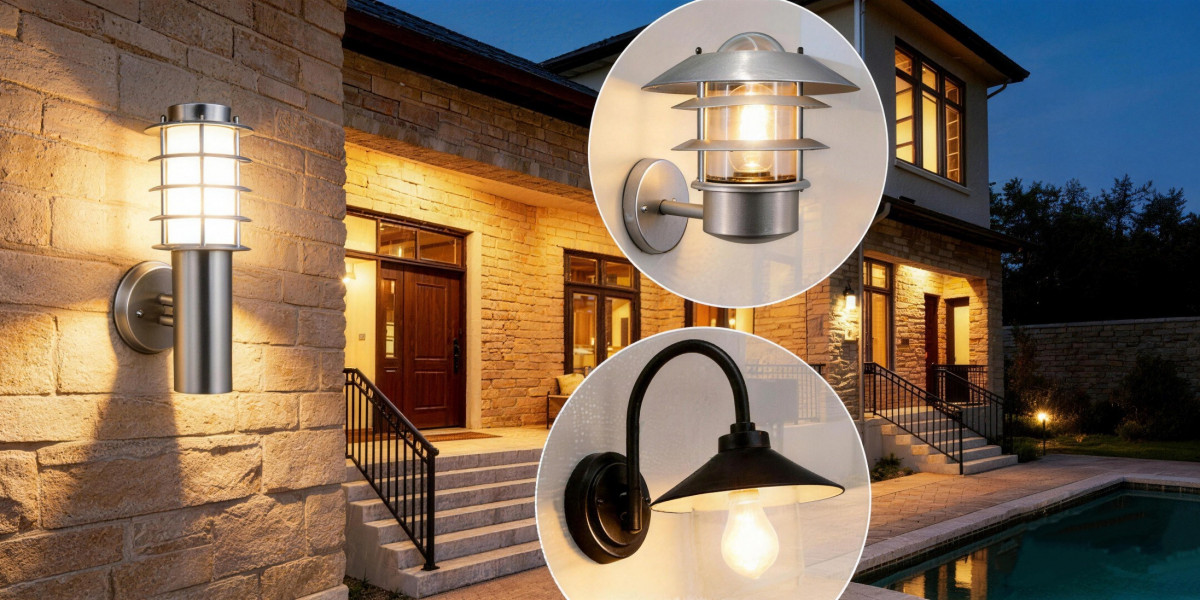

Outdoor lighting has moved far beyond basic illumination. In modern commercial, industrial, and public environments, lighting is now expected to deliver intelligence, efficiency, and long-term value. Businesses are no longer just asking whether a space is lit—they are asking how effectively it is lit, how much energy it consumes, and how well it adapts to changing conditions.
Smart outdoor lighting solutions are reshaping how cities, businesses, and infrastructure projects approach exterior environments. These systems combine advanced lighting technology with automation, sensors, and durable engineering to create lighting networks that are responsive, efficient, and reliable.

Manufacturers such as NINGBO KANGHUI LAMPS Co., Ltd. are contributing to this transformation by developing outdoor lighting systems designed to meet modern demands for performance, safety, and longevity.
The Evolution of Outdoor Lighting into Smart Systems
Traditional outdoor lighting systems were static. They turned on at dusk, turned off at dawn, and provided consistent brightness regardless of actual need. While functional, these systems often wasted energy and lacked adaptability.
Smart outdoor lighting introduces intelligence into this process. By integrating sensors, connectivity, and automated controls, lighting systems can now respond dynamically to environmental conditions. For example, lights can dim during low-traffic hours, brighten when movement is detected, or adjust based on ambient daylight.
This shift represents a major advancement in how outdoor spaces are managed. Lighting is no longer a passive infrastructure component—it is an active system that contributes to operational efficiency and safety.
Companies like NINGBO KANGHUI LAMPS Co., Ltd. are part of this evolution, providing lighting solutions that support both smart functionality and durable outdoor performance.
Performance Through Intelligent Control
Performance in outdoor lighting is no longer measured solely by brightness. Instead, it is evaluated based on how effectively lighting adapts to real-world conditions while maintaining visibility and efficiency.
Smart lighting systems use technologies such as motion sensors, photocells, and centralized control platforms. These features allow lighting to adjust in real time. In commercial parking lots, for instance, lights can operate at lower intensity when areas are empty and increase brightness when vehicles or pedestrians are detected.
This dynamic control improves energy efficiency without compromising visibility. It also ensures that lighting is always appropriate for the situation, reducing unnecessary glare and improving visual comfort.
In large-scale installations such as industrial parks or campuses, centralized management systems allow facility operators to monitor and adjust lighting remotely. This level of control helps optimize performance across multiple zones simultaneously.
Manufacturers like NINGBO KANGHUI LAMPS Co., Ltd. focus on delivering lighting systems that maintain stable performance even under continuous operation, ensuring that smart features enhance rather than complicate usability.
Enhancing Safety Through Adaptive Illumination
Safety is one of the most critical functions of outdoor lighting, especially in commercial and public environments. Poorly lit areas increase the risk of accidents, reduce visibility, and can create security vulnerabilities.
Smart outdoor lighting improves safety by ensuring that illumination is always aligned with actual conditions. Motion-activated lighting can instantly brighten pathways when pedestrians approach, improving visibility without requiring constant full-power operation.
In transportation zones such as loading docks or parking structures, adaptive lighting helps drivers and workers navigate safely by reducing shadows and improving depth perception. This reduces the likelihood of collisions or operational errors.
Additionally, smart systems can be integrated with security infrastructure such as surveillance cameras. When unusual movement is detected, lighting can automatically intensify, improving camera clarity and deterring potential security threats.
Reliable outdoor fixtures from NINGBO KANGHUI LAMPS Co., Ltd. are engineered to support these safety-critical applications, ensuring consistent illumination even in demanding environmental conditions.
Energy Efficiency and Sustainable Operation
One of the most significant advantages of smart outdoor lighting is its impact on energy consumption. By using LED technology combined with intelligent controls, these systems dramatically reduce electricity usage compared to traditional lighting setups.
Instead of operating at full brightness throughout the night, smart systems adjust output based on real-time need. This reduces wasted energy during low-activity periods while still maintaining adequate visibility when required.
Over time, these efficiencies translate into substantial cost savings for businesses and municipalities. Lower energy usage also reduces carbon emissions, supporting broader sustainability goals.
Smart lighting systems can also generate usage data, allowing facility managers to analyze consumption patterns and identify opportunities for further optimization. This data-driven approach to lighting management is becoming increasingly important in large commercial developments.
Manufacturers such as NINGBO KANGHUI LAMPS Co., Ltd. contribute to this shift by producing energy-efficient lighting systems designed for long-term sustainable operation.
Durability and Long-Term Reliability
Outdoor lighting must withstand a wide range of environmental challenges, including rain, humidity, dust, wind, and temperature fluctuations. In many regions, exposure to salt air or industrial pollutants adds further stress to lighting infrastructure.
Smart outdoor lighting systems are built with durability in mind. High-quality materials such as corrosion-resistant housings, sealed optical compartments, and impact-resistant lenses help ensure long-term performance.
Reliability is especially important in smart systems because additional electronic components must also be protected from environmental damage. Poor-quality systems may experience sensor failure or connectivity issues, leading to inconsistent operation.
Long-lasting designs reduce maintenance requirements and minimize downtime, which is critical for commercial properties that rely on continuous illumination for safety and operations.
Companies like NINGBO KANGHUI LAMPS Co., Ltd. focus on engineering outdoor lighting solutions that maintain both structural integrity and electronic reliability over extended periods of use.
Integration with Smart Infrastructure and Urban Systems
Smart outdoor lighting is increasingly becoming part of larger connected infrastructure networks. In smart cities and modern commercial developments, lighting systems often integrate with traffic management, environmental monitoring, and building automation systems.
For example, lighting can respond to real-time traffic flow, adjusting brightness on roads or pedestrian pathways based on congestion levels. In smart campuses, lighting can be synchronized with security systems, emergency alerts, and occupancy data.
This integration allows lighting to function as part of a broader ecosystem rather than a standalone system. It enhances operational efficiency and improves responsiveness to real-world conditions.
As demand for connected infrastructure grows, manufacturers such as NINGBO KANGHUI LAMPS Co., Ltd. play a key role in developing lighting systems capable of supporting these advanced integrations.
Reducing Maintenance and Operational Costs
Maintenance is a major concern for large outdoor lighting installations. Traditional systems require frequent bulb replacements, manual inspections, and reactive repairs.
Smart lighting significantly reduces these burdens. LED-based systems last longer, and smart diagnostics can alert operators to potential issues before they become failures. This predictive maintenance approach allows facilities to address problems proactively rather than reactively.
Remote monitoring also reduces the need for on-site inspections, saving both time and labor costs. Facility managers can oversee entire lighting networks from centralized dashboards, improving efficiency and response time.
By combining durability with intelligent monitoring, smart outdoor lighting reduces long-term operational expenses while improving system reliability.
Conclusion
Smart outdoor lighting represents a major advancement in how exterior environments are designed, managed, and experienced. By combining intelligent controls, energy efficiency, durability, and connectivity, these systems deliver superior performance across a wide range of applications.
From improving safety and reducing energy consumption to enabling integration with smart infrastructure, the benefits of smart lighting extend far beyond simple illumination. It is an essential component of modern commercial and urban development.
Manufacturers such as NINGBO KANGHUI LAMPS Co., Ltd. are helping drive this transformation by producing lighting solutions built for performance, safety, and longevity. As technology continues to evolve, smart outdoor lighting will play an even more important role in shaping efficient, sustainable, and intelligent environments.
Contact Us
NINGBO KANGHUI LAMPS Co., Ltd.
Mr. TAO WANG
Mobile: 86-15706887993
Email: tao@kanghuilight.cn
WeChat: 15706887993
Whatsapp: +86 15706887993