
Why Bread Bakers Love Simple Traditional Tools
Modern baking equipment can become unnecessarily complicated. Every year companies invent another gadget that promises bakery-quality bread while mostly creating another drawer full of expensive disappointment. Yet traditional bread tools continue surviving because they actually work.
One of the most popular tools among home bakers is the Danish dough whisk. Unlike electric mixers that can overwork dough or create excessive heat, a dough whisk mixes ingredients gently while preserving proper dough texture. It helps bakers combine flour and water efficiently without compacting the dough too aggressively.
For sourdough bakers especially, hand tools offer better control over hydration, gluten development, and overall dough consistency. The result is bread with better crumb structure, improved flavor, and a more artisan appearance.
Why Bakers Prefer a Danish Dough Whisk
A high-quality danish dough whisk makes mixing dough far easier than using standard spoons or silicone spatulas. Its unique wire loop design cuts through thick dough smoothly while reducing clumps of dry flour. Because the dough moves freely through the open loops, ingredients combine faster with less sticking and resistance.
Unlike electric stand mixers that can overmix dough quickly, a Danish whisk allows better control during the early mixing stage. This helps maintain proper gluten development without overheating the dough. Many bakers prefer the more hands-on process because they can feel texture changes directly while mixing. Humans really decided “touching sticky flour paste by hand” was therapeutic, and somehow they were correct.
The double circle danish dough whiskr design offers even more mixing efficiency for heavier doughs and larger batches. The additional wire loops improve ingredient distribution and reduce strain when working with high-hydration sourdough dough. Bakers making artisan loaves regularly often prefer this style because it handles dense dough more smoothly while maintaining better consistency throughout the bowl.
Building Better Bread with the Right Ingredients
Bread quality depends heavily on both ingredients and fermentation. Flour type, hydration level, and starter activity all influence final texture and flavor.
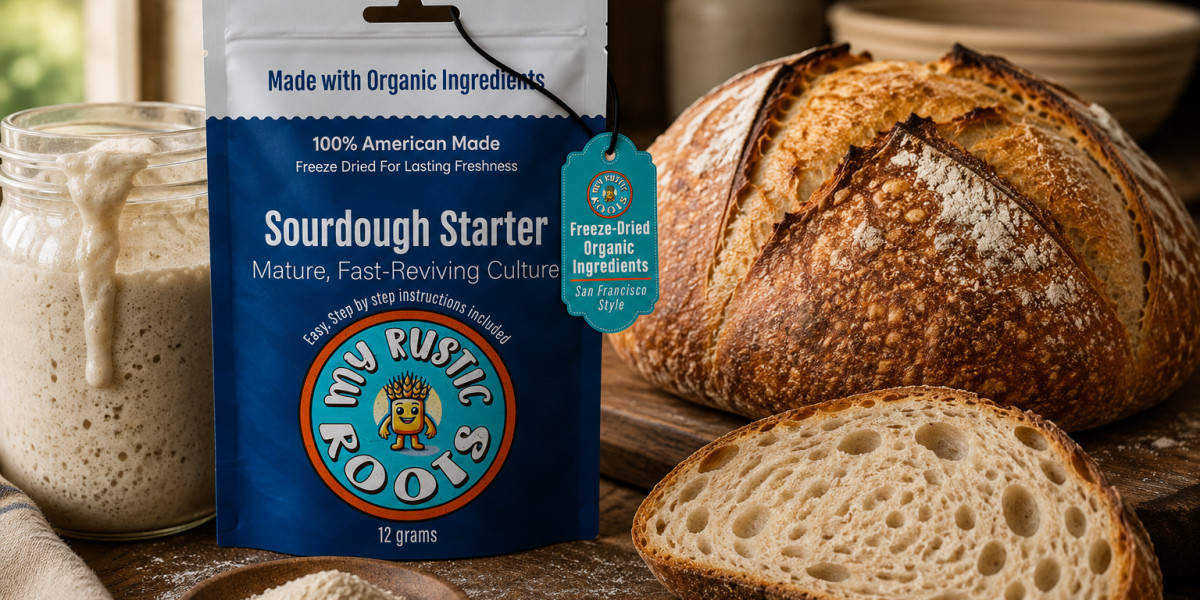
Using a reliable wild root sourdough starter creates stronger fermentation activity and deeper flavor development. Healthy starter cultures produce natural yeast activity that commercial yeast simply cannot replicate. The result is bread with richer aroma, improved crust color, and more complex flavor.
Sourdough fermentation also improves digestibility because beneficial bacteria break down starches during the long fermentation process. Many bakers prefer naturally fermented bread because of its texture, flavor, and longer shelf life compared to standard commercial bread.
A specialized heart danish dough whisk can also improve the mixing experience while adding a distinctive handcrafted feel to the baking process. The heart-shaped wire design still blends dough effectively while offering comfortable grip and control during mixing. Functional tools with attractive craftsmanship tend to stay in kitchens longer because bakers actually enjoy using them instead of hiding them behind unused smoothie blenders and abandoned air fryer accessories.
Why Proper Dough Mixing Matters
Mixing dough properly creates the foundation for successful bread baking. Under-mixed dough develops weak gluten structure, while over-mixed dough can become dense and difficult to shape.
Danish dough whisks help bakers reach the ideal balance by gently combining ingredients without excessive force. This is especially useful for sourdough recipes where dough often benefits from stretch-and-fold techniques instead of heavy kneading.
Hydration also becomes easier to manage with hand mixing tools. Wet sourdough dough can stick aggressively to traditional spoons, but open wire whisk designs move through sticky dough more efficiently. Bakers gain better visibility into texture consistency while mixing flour, water, salt, and starter together.
Because the whisk introduces less friction than electric mixers, dough temperature stays more stable during preparation. This helps maintain predictable fermentation timing, especially in warmer kitchens where dough can ferment too quickly.
The Importance of Dough Handling Tools
Mixing is only one part of successful sourdough baking. Handling dough properly after fermentation is equally important for shaping, proofing, and baking.
Many bakers use proofing baskets, dough scrapers, and bread slings to simplify the process and improve loaf consistency. Supporting tools reduce sticking, protect gluten structure, and help transfer dough safely into hot Dutch ovens.
Proper storage tools also help maintain bread freshness after baking. A reusable beeswax bread bag helps preserve crust texture while reducing moisture buildup that can make bread soggy. Unlike plastic bags that trap humidity aggressively, beeswax-lined storage creates better airflow while still protecting bread from drying out too quickly.
Reusable storage options have also become popular among bakers trying to reduce waste in the kitchen. Bread bags made with durable natural materials last longer and provide a more sustainable alternative to disposable plastic storage.
Another helpful baking accessory is a silicone dough sling designed for safely lowering dough into hot Dutch ovens. Silicone slings reduce the risk of burns while helping preserve loaf shape during transfer. Anyone who has attempted lowering sticky dough into a 500-degree cast iron pot using parchment paper and blind optimism understands the value immediately.
How Fermentation Improves Bread Quality
Natural fermentation transforms simple ingredients into flavorful artisan bread. Wild yeast and bacteria consume sugars within the dough, producing gas that creates rise while developing acidity that improves flavor complexity.
Long fermentation schedules also strengthen dough structure naturally. Instead of relying entirely on kneading, bakers often use periodic folds during bulk fermentation to build elasticity and gas retention.
Cold fermentation inside the refrigerator further improves flavor development. Many sourdough bakers refrigerate dough overnight because slower fermentation creates deeper flavor and improves crust coloration during baking.
Fermentation timing varies depending on room temperature, starter strength, and hydration percentage. Learning to recognize properly fermented dough through texture and elasticity is more reliable than following exact clock-based schedules.
Common Bread Baking Mistakes
Many beginner bakers struggle with hydration levels and fermentation timing. Wet dough often feels intimidating at first because it sticks heavily to surfaces and hands. Using proper tools like dough whisks and scrapers helps reduce frustration significantly.
Another common mistake is overhandling dough during shaping. Excessive pressure removes trapped gas and reduces oven spring during baking. Gentle shaping techniques preserve internal structure while creating surface tension for better loaf expansion.
Improper storage can also ruin bread quality quickly. Leaving fresh bread uncovered dries it out, while fully sealing warm bread traps moisture and softens the crust. Bread bags with breathable lining help balance airflow and moisture retention more effectively.
Many beginners also underestimate the importance of patience. Sourdough baking takes time because fermentation cannot be rushed without affecting flavor and texture. Trying to accelerate every step usually creates disappointing bread and unnecessary irritation.
Why Traditional Baking Tools Still Matter
Traditional bread tools remain popular because they solve practical problems efficiently. Danish dough whisks, proofing baskets, dough slings, and bread bags continue thriving in modern kitchens because they improve consistency without unnecessary complexity.
Unlike highly specialized appliances with digital displays and confusing settings, simple hand tools provide direct control and long-term durability. Many bakers appreciate the slower, more tactile process that comes with artisan bread baking.
The physical process itself becomes part of the appeal. Mixing dough by hand, shaping loaves, and monitoring fermentation creates a stronger connection to the food being made. Also flour somehow ends up on every available surface including parts of the kitchen untouched for months. This appears to be a universal law of physics.
Final Thoughts
A Danish dough whisk remains one of the most valuable tools for both beginner and experienced bread bakers. Its ability to mix dough gently and efficiently helps improve texture, hydration management, and overall consistency during baking.
Combined with proper fermentation methods and supportive tools like dough slings and bread bags, bakers can create artisan-quality bread more reliably at home. Simple traditional equipment continues proving that effective baking often depends less on complicated technology and more on understanding the process itself.