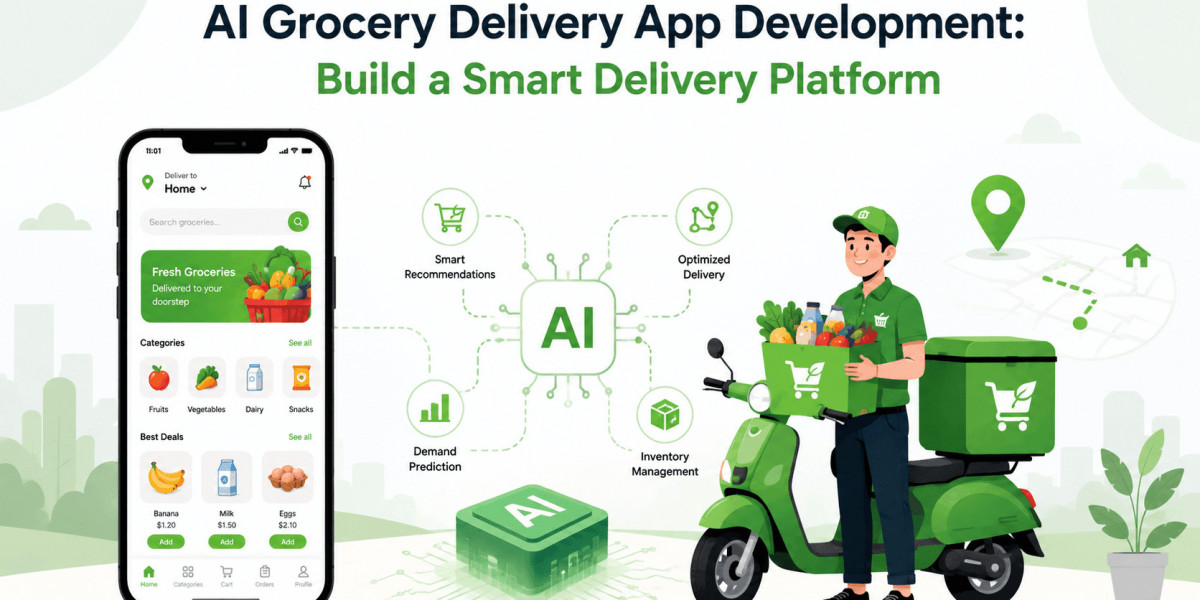

In an era where convenience is paramount, the grocery delivery industry is undergoing a transformative shift driven by artificial intelligence (AI) technologies. As consumers increasingly seek quick and efficient ways to access their daily necessities, the demand for intelligent grocery delivery apps has surged. Developing a smart delivery platform not only enhances customer satisfaction but also streamlines operations for businesses. This article delves into the essential aspects of AI grocery delivery app development, exploring innovative features, key technology choices, user experience design, and future trends that will shape the landscape of grocery delivery services.
Understanding the AI Grocery Delivery Ecosystem
Market Overview and Trends
The grocery delivery market is like a trendy avocado toast recipe—everybody wants a piece of it! With the rise of e-commerce and consumers’ love for convenience, the demand for grocery delivery services has skyrocketed. In 2023, the online grocery segment is expected to continue its meteoric rise, driven by tech-savvy shoppers and an insatiable craving for convenience. More and more people are opting for app-based solutions that save them time and energy. So, if you're thinking of hopping into this buzzing market, now's the time to grab that shopping cart!
Challenges in Grocery Delivery
As irresistible as grocery delivery sounds, it's not all sunshine and perfectly ripened fruits. There are plenty of hurdles to jump over. First up, stock management: keeping track of inventory can feel like a high-stakes game of Tetris. Then there's delivery logistics—navigating traffic and keeping food fresh can be tricky business. Add in customer satisfaction expectations that are higher than a grocery store’s cereal aisle, and you've got a recipe for stress. Balancing these challenges is crucial for developing a successful delivery platform.
Benefits of AI Integration
Integrating AI is like adding a sprinkle of magic to your grocery delivery app. It can streamline operations, predict customer preferences, and improve delivery times—making it a win-win for business and customers alike. With AI, you can analyze purchasing patterns, optimize inventories, and adjust delivery routes in real-time. Plus, personalized shopping experiences can boost engagement. Let’s face it: customers would rather have their app suggest their favorite snacks than scroll endlessly through aisles of choices!
Key Features of a Smart Delivery Platform
Real-time Order Tracking
Who doesn’t love knowing exactly where their groceries are? Real-time order tracking is like having a personal grocery GPS. Customers can monitor their orders from the moment they hit "checkout" to when that delicious bag of goodies arrives at their door. This feature builds trust and keeps customers engaged while they wait—no more wondering if their apples are stuck in traffic.
Personalized Shopping Experience
Imagine an app that knows you better than your best friend. Personalization is key in today’s grocery delivery market. Using AI, you can tailor the shopping experience to reflect individual preferences, dietary needs, and even past orders. Throw in some recommendations for new products that align with those quirky tastes, and voilà! You’ve just transformed a mundane grocery run into a delightful treasure hunt.
Efficient Route Optimization
In grocery delivery, time is literally money. Efficient route optimization ensures that delivery drivers take the quickest paths, cutting down time and fuel costs. AI algorithms can analyze traffic patterns, weather conditions, and even customer locations to plot the best possible routes. This means fresher groceries and happier customers—because let’s be real, nobody wants a wilting lettuce situation!
Payment and Checkout Solutions
A smooth payment experience is the cherry on top of your grocery delivery sundae. Offering multiple payment options—from credit cards to digital wallets—makes checkout as easy as pie. Plus, incorporating features like one-click payments or in-app wallets can speed up the process, reducing cart abandonment. Remember, the less time customers spend at checkout, the more time they’ll spend shopping!
Selecting the Right Technology Stack
Front-end vs. Back-end Technologies
Choosing the right technology stack is like picking the right ingredients for a recipe—you want everything to complement each other. For the front-end, consider frameworks like React or Angular for a smooth user experience. On the other hand, back-end technologies like Node.js or Python can help handle the heavy lifting behind the scenes. It’s a marriage of form and function, ensuring that everything looks great and operates efficiently.
Database Management Systems
When it comes to managing all that grocery data, a robust database management system (DBMS) is essential. SQL databases like PostgreSQL and MySQL can handle structured data efficiently, while NoSQL options like MongoDB are perfect for more flexible data requirements. Choose one that matches your app's needs, because a good DBMS keeps everything organized—just like your fridge after a grocery run!
Cloud Services and Hosting Options
Cloud services are the backbone of scalability for your grocery delivery app. Services like AWS, Google Cloud, or Azure offer robust hosting options that can handle spikes in demand, such as those weekend shopping surges. Plus, they provide tools for backup, security, and performance monitoring. Just think of them as your app’s safety net—ensuring that even on busy days, everything runs like a well-oiled machine.
User Experience Design for Grocery Delivery Apps
Importance of User Interface (UI) Design
User interface (UI) design is like the charming layout of a grocery store—it needs to be inviting and easy to navigate. A clean, intuitive UI makes it simple for users to browse, search, and check out. Color schemes, typography, and layout should enhance usability, ensuring that customers can find their favorite items without feeling like they’re on a quest for hidden treasure.
Accessibility Considerations
Making your grocery delivery app accessible is crucial—after all, everyone deserves to enjoy the convenience of online shopping. Design with accessibility in mind by adhering to WCAG guidelines. Consider features like voice search and screen reader compatibility to ensure that the app is usable by individuals with disabilities. This not only broadens your customer base but also shows that your brand cares!
Mobile Responsiveness and Compatibility
With the majority of grocery deliveries being ordered through mobile devices, making your app mobile-responsive is non-negotiable. It should adapt seamlessly across different screen sizes and operating systems. A good experience on mobile will keep your users coming back, and who doesn’t want that? After all, a happy shopping experience means more repeat customers and less time worrying about inventory management!
Integrating AI for Enhanced Delivery Efficiency
AI Algorithms for Inventory Management
AI algorithms are like that overzealous friend who always has a plan. They can optimize inventory by predicting what’s likely to sell and when, ensuring shelves are stocked without overstuffing them. By analyzing sales data, trends, and even seasonal fluctuations, these algorithms help grocery delivery apps maintain a delicate balance between supply and demand, preventing the dreaded “out of stock” sign from ruining your customers’ dinner plans.
Predictive Analytics for Demand Forecasting
Imagine being able to predict the future—you’d probably save a lot of time in the grocery store, right? Predictive analytics does just that for grocery delivery apps. By sifting through historical data and identifying patterns, these tools forecast demand for certain products, making it easier to prepare for spikes (like ice cream during a heatwave) or lulls. This not only streamlines operations but also ensures customers can find their favorite snacks when they want them.
Chatbots and Customer Support Automation
Chatbots are like the friendly neighborhood superheroes of customer support. Available 24/7, they tackle common queries about orders, delivery times, and product details before you even have a chance to hit the panic button. By using AI, these bots get smarter over time, learning from interactions and improving responses. This means less waiting on hold and more time for customers to decide what toppings they want on that pizza.
Ensuring Data Security and Privacy
Compliance with Data Protection Regulations
Navigating the maze of data protection regulations can feel like playing a game of legal hopscotch. However, ensuring compliance is essential for any grocery delivery app. Laws like GDPR and CCPA dictate how to handle user data, so it’s crucial to stay updated with these regulations. Meeting compliance requirements not only protects your users but also shields your app from hefty fines and reputational damage.
Best Practices for User Data Security
Your users' data is like their secret recipe for Grandma's famous cookies—best kept under lock and key. Implementing strong encryption, regular security audits, and multi-factor authentication are key practices to safeguard this precious information. Remember, a secure app doesn’t just protect data; it also builds user confidence. After all, nobody wants to think their favorite recipe is at risk of being leaked to the “dark web.”
Building Trust with Customers
Trust is the glue that holds any relationship together, and the same goes for your relationship with customers. Transparent privacy policies, regular updates on security measures, and responsive support can help you earn and maintain their trust. If users feel secure with your app, they're more likely to keep their shopping carts full of goodies instead of emptying them in favor of a competitor.
Testing and Launching Your App
Types of Testing for Delivery Apps
Testing is to app development what taste-testing is to cooking—you want to make sure everything's just right before serving it up. Types of testing for grocery delivery apps include functionality testing (to ensure all features work as intended), usability testing (to check if users can navigate easily), and performance testing (to see how the app holds up under pressure). Each type helps catch potential hiccups before they turn into customer complaints.
Beta Testing: Gathering User Feedback
Beta testing is like inviting a picky friend over for dinner—their feedback can be brutally honest but ultimately invaluable. Select a small group of users to test your app and gather their thoughts on usability, features, and any bugs they encounter. This feedback is crucial for making necessary adjustments before the big launch, ensuring your app is more delicious than burnt toast.
Launching Strategies and Marketing Approaches
When it's time to launch your grocery delivery app, it’s not just a matter of flipping a switch. Employing effective marketing strategies is crucial—think social media campaigns, influencer partnerships, and promotional offers to get the word out. A well-planned launch can create buzz and excitement, inviting new users to fill their carts with everything from avocados to zoodles and ensuring your app takes off like a hot air balloon on a sunny day.
Future Trends in Grocery Delivery and AI Integration
Emerging Technologies Shaping the Industry
The grocery delivery landscape is evolving, and emerging technologies are leading the charge. Drones, automated warehouses, and even autonomous delivery vehicles are becoming more mainstream. These innovations promise faster delivery times and improved efficiency, ensuring that your favorite snacks arrive at your door before you can say “grocery run.”
Consumer Preferences and Behavior Changes
As consumers become increasingly tech-savvy, their preferences are changing too. They’re seeking convenience, personalization, and seamless experiences. This means grocery delivery apps need to adapt by offering tailored recommendations, one-click ordering, and even subscription services to keep customers coming back for more. It’s all about meeting the modern shopper where they are—even if where they are is still in their pajamas at 3 PM.
Long-term Impacts of AI on Grocery Delivery
AI isn’t just a trendy buzzword—it’s here to stay, and its long-term impact on grocery delivery could be profound. From enhancing customer experiences through personalization to optimizing supply chains and reducing waste, the potential benefits are huge. As AI continues to evolve, so will grocery delivery apps, creating a smarter, more efficient shopping experience that’s as enjoyable as a surprise pizza delivery on a Friday night. As the grocery delivery market continues to evolve, harnessing the power of AI will be crucial for businesses looking to stay competitive and meet customer demands. By understanding the key components of app development and embracing innovative technologies, companies can create efficient, user-friendly platforms that not only enhance the shopping experience but also streamline operations. As we look to the future, those who invest in smart delivery solutions will be well-positioned to thrive in this dynamic industry.
FAQ
What are the key features of an AI grocery delivery app?
The key features typically include real-time order tracking, personalized recommendations, efficient route optimization, user-friendly payment systems, and robust customer support options.
How does AI improve the efficiency of grocery delivery services?
AI enhances efficiency through predictive analytics for demand forecasting, optimizing delivery routes, managing inventory in real time, and automating customer support with chatbots.
What technology stack is recommended for developing a grocery delivery app?
A recommended technology stack might include React or Angular for the front-end, Node.js or Django for the back-end, a cloud service like AWS or Google Cloud for hosting, and a database management system such as PostgreSQL or MongoDB.
How can I ensure data security in my grocery delivery app?
To ensure data security, implement encryption for sensitive data, comply with data protection regulations (like GDPR), regularly conduct security audits, and educate users about safe practices.