
The beauty and skincare industry is constantly evolving, and one of the latest controversial trends gaining attention online is Tanning nasal drops . Promoted as a quick and effortless way to achieve a bronzed glow without sun exposure, these products have sparked curiosity—and concern—across the globe.
But what exactly are tanning nasal drops? Do they really work, and more importantly, are they safe?
In this in-depth, SEO-optimized guide, we’ll break down everything you need to know about tanning nasal drops, including how they work, potential side effects, legal status, and safer alternatives.
What Are Tanning Nasal Drops?
Tanning nasal drops are liquid products designed to be administered through the nose using a spray or dropper. They typically contain synthetic peptides, most commonly Melanotan II, which is believed to stimulate melanin production in the body.
Melanin is the pigment responsible for skin color, and increasing its production can result in a darker skin tone—often described as a “tan.”
How Do Tanning Nasal Drops Work?
The active ingredient in most tanning nasal sprays, Melanotan II, mimics a natural hormone in the body called alpha-melanocyte-stimulating hormone (α-MSH).
Here’s how the process works:
- The drops are absorbed through the nasal lining.
- The peptide enters the bloodstream.
- It stimulates melanocytes (pigment-producing cells).
- Melanin production increases, leading to darker skin.
Some users combine nasal drops with UV exposure (sun or tanning beds) to enhance results.
Do Tanning Nasal Drops Really Work?
While some users report visible tanning effects after consistent use, scientific evidence supporting the effectiveness of tanning nasal drops is extremely limited.
Key points:
- Results vary significantly from person to person.
- Effects may take days or weeks to appear.
- There is no standardized dosage or regulated formulation.
Because these products are not approved by major health authorities, their reliability and consistency remain questionable.
Potential Side Effects and Risks
This is where concerns become serious. Tanning nasal drops are not regulated in many countries, and their safety profile is not well established.
Common Side Effects
- Nausea
- Flushing of the skin
- Increased heart rate
- Loss of appetite
- Darkening of moles or freckles
More Serious Risks
- Unknown long-term health effects
- Possible links to abnormal cell growth
- Risk of contamination due to unregulated production
- Hormonal imbalances
Some reports also suggest potential impacts on blood pressure and sexual function, as Melanotan II can affect multiple systems in the body.
Are Tanning Nasal Drops Legal?
The legality of tanning nasal drops varies by region, but in many countries:
- They are not approved for medical or cosmetic use
- They are often sold online as “research chemicals”
- Regulatory bodies warn against their use
Because of this, consumers have little protection regarding product quality, safety, or authenticity.
Why Are They So Popular?
Despite the risks, tanning nasal drops continue to trend due to:
- The desire for a sun-kissed look without UV damage
- Influence from social media and beauty influencers
- Convenience compared to traditional tanning methods
However, popularity does not equal safety.
Safer Alternatives to Tanning Nasal Drops
If you’re looking for a healthy glow, there are much safer and widely accepted options:
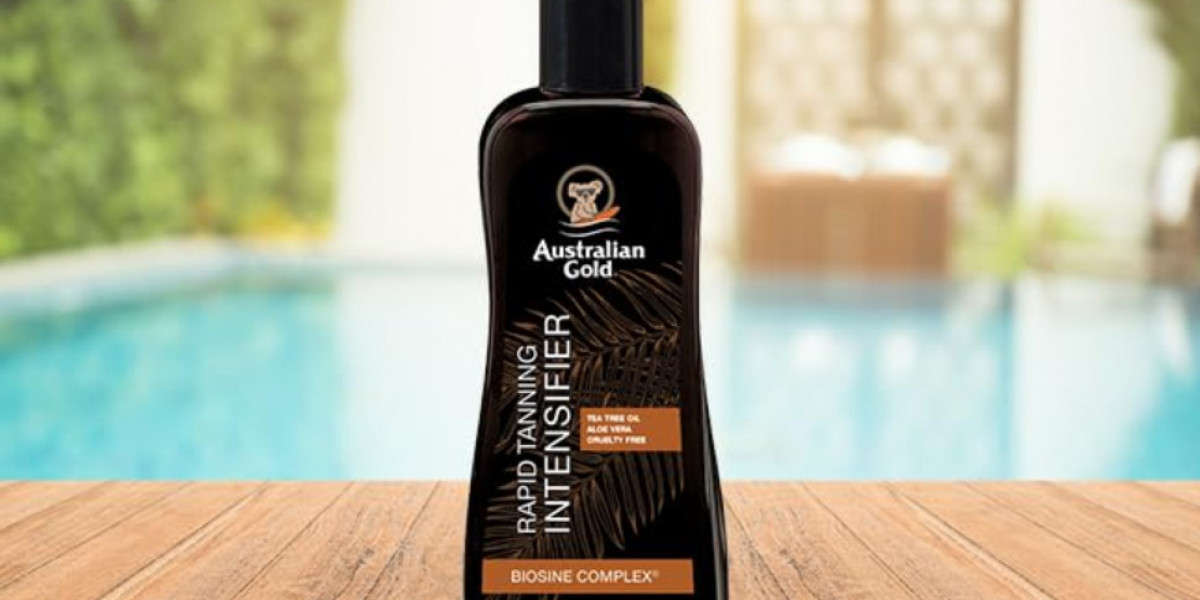
1. Self-Tanning Lotions and Mousses
These contain DHA (dihydroxyacetone), which reacts with the skin’s surface to create a temporary tan.
2. Spray Tans
Professionally applied and customizable, spray tans offer quick results without systemic risks.
3. Gradual Tanning Moisturizers
These build a natural-looking tan over time with minimal streaking.
4. Bronzing Makeup
Instant, washable, and perfect for special occasions.
Expert Advice: Should You Use Tanning Nasal Drops?
Most healthcare professionals strongly advise against using tanning nasal drops due to:
- Lack of clinical testing
- Unknown long-term safety
- Risk of serious side effects
If your goal is to improve your appearance, it’s always better to choose methods that are proven safe and regulated.
Final Thoughts
Tanning nasal drops may sound like a convenient shortcut to achieving a bronzed complexion, but the risks far outweigh the potential benefits. With no regulatory approval, limited scientific evidence, and possible health concerns, they remain a controversial and potentially dangerous trend.
For a safe and effective glow, consider well-tested alternatives that won’t compromise your health.