
Why Oncology Clinical Trials Are More Critical Than Ever
Cancer remains one of the most complex and urgent medical challenges of our time. Millions of patients worldwide depend on the progress made inside oncology clinical trials to access new therapies, targeted treatments, and innovative approaches that standard care cannot yet offer. As the science evolves, so does the pressure on researchers, sponsors, and clinical teams to design smarter, faster, and more patient-centered studies. Oncology clinical trials have grown far beyond the traditional Phase I-III model. Today, they incorporate real-world evidence, biomarker screening, adaptive trial designs, and decentralized trial methods that bring research closer to patients. The pace of innovation is accelerating, and those working inside the field understand that keeping up requires not just scientific expertise, but also strong operational strategy and cross-industry collaboration.
How Precision Medicine Is Transforming Cancer Research
Precision medicine has fundamentally changed how researchers approach oncology clinical trials. Instead of designing studies around broad patient populations, teams now focus on molecular profiles, genetic markers, and disease subtypes that predict how patients will respond to specific treatments. This shift has improved outcomes and reduced unnecessary exposure to therapies that are unlikely to work for a given individual. Operational execution in this space requires deep expertise. Strong clinical operations in oncology trials demand coordinated site management, biospecimen handling, and regulatory alignment across multiple geographies. Teams that master these complexities are better positioned to move treatments through development pipelines and deliver meaningful results to patients faster.
What Role Do Industry Summits Play in Advancing Oncology Trials?
For professionals working in oncology research and development, staying current is not optional. The field moves quickly, and the decisions teams make around trial design, patient recruitment, vendor selection, and regulatory strategy directly affect whether promising treatments reach patients at all. Access to current thinking and peer exchange is essential. Summits focused on cancer research bring together clinical operations leaders, regulatory executives, patient advocates, and technology innovators under one roof. Attending targeted oncology events allows professionals to benchmark their practices, learn from real-world case studies, and build the relationships that often lead to better partnerships and trial outcomes. The value of these gatherings extends well beyond the sessions themselves. Informal conversations at networking events frequently spark the collaborations that solve longstanding operational problems. When senior leaders across sponsors, CROs, and research sites share honest accounts of what is and is not working, the entire field benefits from that collective intelligence.
Which Topics Define the Agenda at Leading Oncology Conferences?
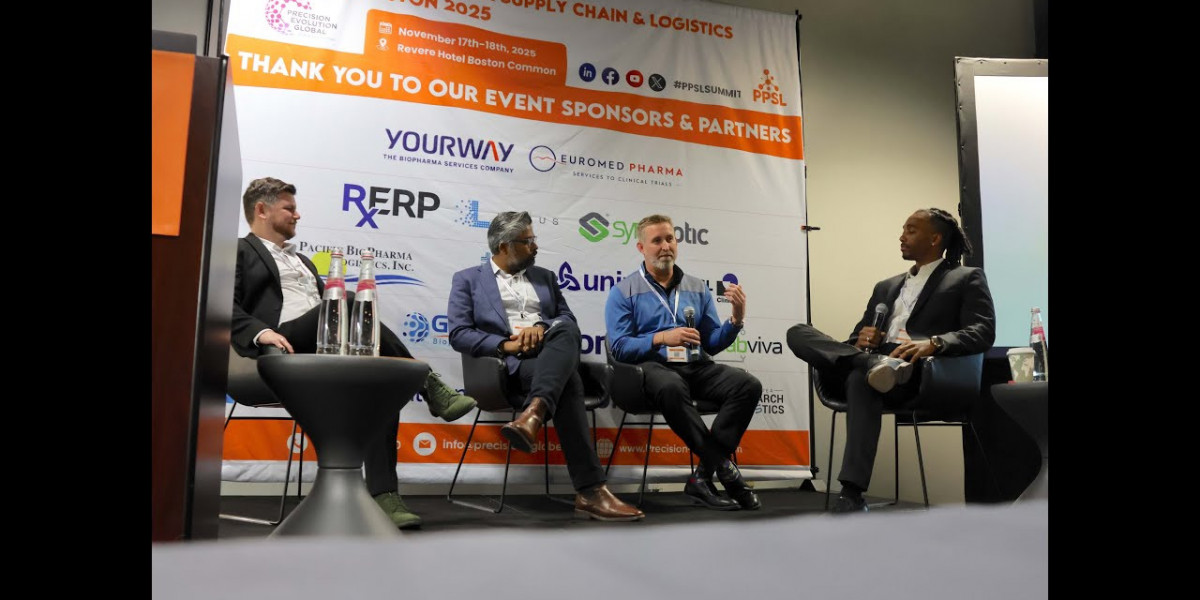
The most impactful oncology conferences today cover a wide spectrum of issues, reflecting how multidimensional cancer research has become. Agenda tracks typically include CAR-T and cellular immunotherapy development, decentralized clinical trial implementation, real-world evidence integration, patient recruitment and retention challenges, and the application of artificial intelligence and machine learning to trial design and data management. An oncology clinical trials conference like the Precision in Clinical Trials Oncology Summit Boston brings exactly this kind of agenda to life. Taking place on November 16-17, 2026, at the Revere Hotel Boston Common, the summit gathers senior leaders from across the global oncology drug development ecosystem for two days of focused sessions, strategic discussions, and high-value networking. Boston is an ideal location, with over 400 active clinical trial sites and research institutions such as Dana-Farber Cancer Institute, Harvard Medical School, and Massachusetts General Hospital all contributing to one of the world's most dynamic oncology corridors. Attendees at this summit include Vice Presidents and Directors of Clinical Operations, Regulatory Affairs executives, Clinical Development leaders, and outsourcing and vendor management professionals. The gathering is designed specifically for decision-makers who shape how oncology clinical trials are planned, executed, and improved.
How Patient-Centered Design Is Reshaping Oncology Studies
One of the most significant shifts in oncology clinical trials over the past decade is the move toward patient-centered trial design. Researchers now recognize that patient engagement, retention, and experience directly affect data quality and study completion rates. When patients drop out of trials or fail to enroll due to burdensome protocols, the entire development timeline suffers. Patient advocacy groups, rare disease organizations, and engagement experts are increasingly present at oncology conferences because their perspective improves study design from the ground up. Incorporating patient feedback during the protocol design phase leads to studies that are more realistic, more inclusive, and better aligned with what patients actually experience throughout their cancer journey. This shift has moved patient engagement from a compliance checkbox to a genuine strategic priority.
Why Boston Is the Epicenter of Oncology Clinical Trial Innovation
Boston has earned its reputation as the global capital of oncology research. The city hosts a dense ecosystem of pharmaceutical companies, biotech firms, academic medical centers, and clinical research organizations that collectively drive some of the world's most consequential cancer research. Companies like AstraZeneca, Novartis Oncology, Bristol Myers Squibb, and Biogen maintain significant operations in the region, alongside world-class academic institutions. The concentration of expertise and infrastructure in Boston means that oncology clinical trials conducted in this region benefit from deep talent pools, established regulatory pathways, and robust patient populations across a wide range of cancer types. For professionals seeking to connect with the leaders driving CAR-T therapy development, targeted oncology drug design, and precision medicine innovation, gathering in Boston is a strategic choice that few other locations can match.
Take the Next Step in Your Oncology Career and Research Network
The landscape of oncology clinical trials is more dynamic and demanding than ever before. Precision medicine has raised the bar for scientific rigor. Regulators expect more patient-centered protocols. Sponsors demand operational efficiency and data integrity. Meeting these expectations requires constant learning, strong peer networks, and access to the strategies and tools that are actually working across the industry right now. Attending the right events is one of the most effective ways to invest in your professional development and your organization's trial performance. The Precision in Clinical Trials Oncology Summit Boston 2026 offers exactly this kind of return, bringing the right minds together in one of the world's most important oncology markets. Whether you attend to sharpen your clinical operations strategy, explore partnership opportunities, or discover what leading organizations are doing differently, the insights you gain will travel back with you and shape real decisions. Do not wait to secure your place at this summit. Oncology clinical trials are advancing every month, and the professionals who show up, engage, and collaborate are the ones who lead the field forward. Register now for the Precision in Clinical Trials Oncology Summit Boston and position yourself at the center of where cancer research is heading next.