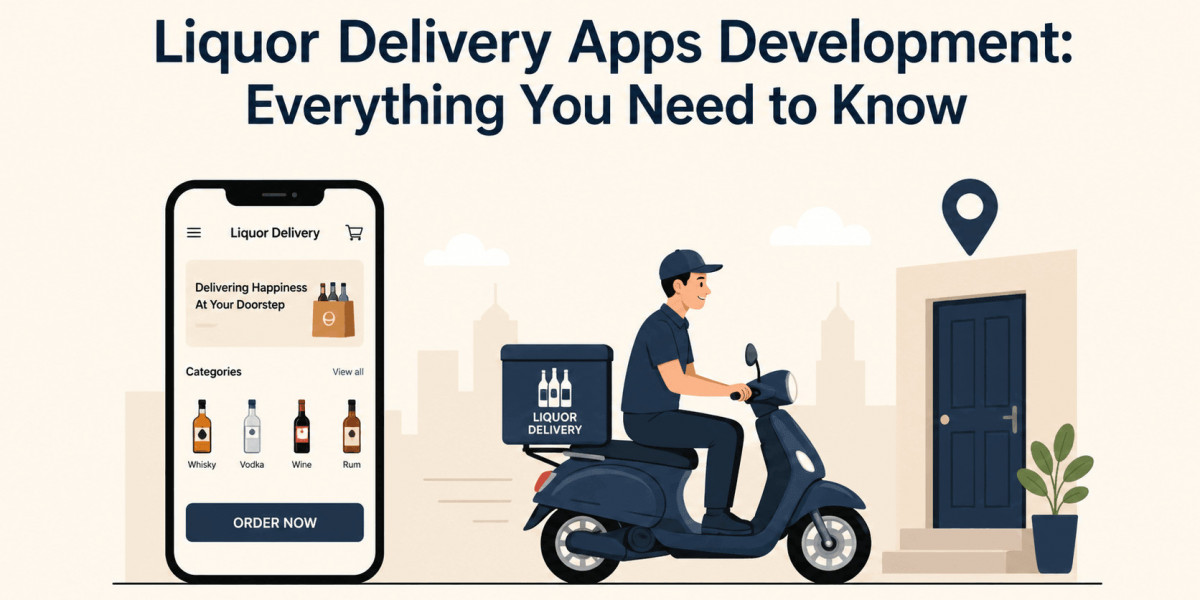

The rise of on-demand services has transformed various industries, and liquor delivery is no exception. With the increasing demand for convenience and accessibility, liquor delivery apps have become a popular choice for consumers looking to purchase their favorite beverages from the comfort of their homes. However, developing a successful liquor delivery app involves navigating a complex landscape of market trends, legal regulations, and technological requirements. This article aims to provide a comprehensive overview of everything you need to know about liquor delivery app development, including essential features, design considerations, and effective marketing strategies to thrive in this competitive market.
Understanding the Liquor Delivery Market
Current Industry Trends
The liquor delivery market is riding high on the wave of convenience. Thanks to the pandemic, more people have traded their bar stools for their couches, making them eager for easy access to their favorite spirits. Expect to see an uptick in mobile orders, same-day delivery services, and personalized experiences. Furthermore, as more states loosen their liquor laws, the market is projected to grow faster than you can say "cheers!"
Target Audience Analysis
Let’s face it: your target audience is a delightful mix of social butterflies and introverts alike. Primarily, it includes millennials and Gen Z, who prioritize convenience, tech integration, and a sprinkle of self-expression through their beverage choices. But don’t forget about the casual drinkers and older generations who may be looking for an easy way to keep their bar stocked without hitting the store. Yes, even your Uncle Bob appreciates the luxury of having a six-pack delivered straight to his door!
Competitive Landscape
The competition in the liquor delivery space is as fierce as a cocktail shake-off! Major players like Drizly and Minibar are leading the charge, but niche brands are rapidly emerging to cater to specific demographics and local tastes. Understanding your competition's strengths and weaknesses is key to carving out your own space. Remember, in this arena, it’s not just about who has the most extensive inventory but also who’s delivering the best experience with a cherry on top.
Key Features of Liquor Delivery Apps
User Registration and Profiles
A seamless user registration process is like a well-poured cocktail—essential and satisfying. Users should be able to create profiles that store their preferences, order history, and favorite drinks. This personalization helps customers feel valued and keeps them coming back for another round.
Product Catalog and Search Functionality
Your app’s product catalog should be as inviting as a bar menu on a Friday night. An organized and visually appealing display, complete with filtering options and search functionality, allows users to find their desired beverages without a hassle. No one wants to scroll through an endless list of wines, especially when they’re on a mission for the perfect Cabernet!
Order Tracking and Delivery Management
Transparency is critical in the delivery game. Customers want to track their orders like hawks watching over their prized bottles. Provide real-time updates and estimated delivery times to keep users informed and engaged. Bonus points if you can add a “Where’s my delivery?” feature for that extra layer of customer service pizazz!
Ratings and Reviews System
An integrated ratings and reviews system is your app’s version of social proof—like a bartender’s nod of approval. Customers love sharing their experiences and seeing others' feedback on products. This feature not only boosts trust but also aids new users in making informed decisions on their liquid purchases. After all, who wouldn’t want to know if that expired-looking bottle of vodka is actually worth it?
Technology Stack for App Development
Choosing the Right Platform
When diving into app development, picking the right platform is crucial—like choosing the right whiskey for your Old Fashioned! Options abound, from native development on iOS and Android to cross-platform solutions like React Native or Flutter. Your choice will depend on your budget, timeline, and the user experience you want to deliver.
Backend Development Technologies
Powering your app behind the scenes requires robust backend development technologies. Think Node.js, Ruby on Rails, or Django for swift and secure server management. The backend is where the magic happens, handling everything from inventory management to payment processing—so make sure it’s as solid as a well-aged bourbon barrel.
Mobile App Development Frameworks
With frameworks like React Native and Flutter, developing your app can be as quick and easy as mixing a simple gin and tonic. These tools allow for faster development cycles and smoother performance across both iOS and Android devices, enabling you to get your app into users’ hands (or on their screens) in no time.
APIs and Integrations
APIs are the secret sauce that can help your liquor delivery app stand out. Integrating with payment gateways, delivery services, and even social media platforms enhances functionality. Think of APIs as the bartenders of the tech world—they mix everything together to create a seamless customer experience!
Legal Regulations and Compliance
Alcohol Distribution Laws
Ah, the fun part: navigating the labyrinth of alcohol distribution laws! Each state has its own rules regarding shipping, delivery, and sales hours. Understanding these regulations is vital, as they influence everything from your delivery area to your inventory choices. One misstep here, and you could find yourself in a legal pickle—so stay informed!
Age Verification Mechanisms
No one wants to be ‘that’ app that delivers to minors. Implementing robust age verification mechanisms is non-negotiable. Options include using third-party services or requiring users to upload ID during the registration process. This keeps your app compliant and, more importantly, helps to keep the party safe and sound.
Licensing Requirements
Depending on your location, your liquor delivery app may need various licenses to operate legally. From state liquor licenses to local business permits, ensuring you have all the necessary paperwork will save you from legal troubles down the road. Because let’s be real—no one wants to be on a first-name basis with a fine. Officer!
Designing User-Friendly Interfaces
User Experience (UX) Best Practices
Creating a seamless user experience is the bedrock of any successful liquor delivery app. Start by simplifying the navigation—just like how we navigate the aisles at our favorite liquor store. Implement intuitive features like a search bar and easy filters (e.g., by type, price, and occasion) to help users find their liquid treasures without breaking a sweat. Make the ordering process feel like a stroll in the park; a few taps should get them from browsing to checkout faster than they can say "cheers!"
Visual Design Considerations
Visuals matter, folks! A well-designed interface isn't just pretty; it’s the cherry on top of a great user experience. Use a color palette that reflects your brand's personality—think vibrant for fun, or muted for a more sophisticated vibe. High-quality images of the bottles will make mouths water (and wallets open), while clear typography keeps the information digestible. Remember, the goal is to make your app not just functional but visually appealing—like a hand-crafted cocktail!
Accessibility Features
Inclusivity is key. Your app should be accessible to all users, regardless of their abilities. Incorporate screen reader compatibility, and make sure that your design considers color contrast for those with visual impairments. Implement features like voice commands—because, let’s face it, sometimes even our thumbs need a break. By making your app accessible, you’re not just broadening your user base; you’re building a community where everyone can join the fun.
Payment Integration and Security Measures
Payment Gateway Options
When it comes to payment options, variety is the spice of life! Offering multiple gateways—like credit cards, PayPal, and even Apple Pay—ensures that users can pay in whatever way is easiest for them. Keep in mind that millennials and Gen Z are big fans of mobile wallets, so don’t miss out on the opportunity to cater to their preferences. A smooth checkout process can make or break a sale, so make it as painless as possible.
Data Protection and Encryption
Chances are, your users won’t take kindly to discovering that their sensitive information has been compromised. Invest in robust encryption protocols to protect user data during transactions—it’s like wrapping their credit card in a cozy, encrypted blanket. Additionally, be transparent about your privacy policy. If users know their data is safe, they’ll be more likely to trust your app (and come back for that second round).
Fraud Prevention Strategies
Fraud is the grumpy party crasher of the online world. To keep your app’s reputation intact, implement strategies like multi-factor authentication and automated fraud detection. Monitor transactions for red flags—suspicious patterns or sudden spikes in purchases. Educating users about safe practices, like recognizing phishing attempts, can also help keep the bad guys at bay. Remember, a safe app is a successful app!
Marketing Strategies for Your Liquor Delivery App
Building a Brand Identity
A strong brand identity is like the signature drink that everyone raves about—memorable and irresistible. Start by defining your target audience and tailoring your message accordingly. Consider a catchy name and a logo that stands out but also resonates with your core values. The right branding will tell your app's story and create a connection with your users that goes beyond just a transaction. After all, who wouldn’t want to be loyal to a brand that feels like family?
Utilizing Social Media Marketing
Social media is your best friend—if used correctly! Platforms like Instagram and TikTok are perfect for showcasing beautiful bottles, creative cocktails, and user-generated content. Engage your audience with contests, giveaways, and polls to create buzz. Collaborating with influencers in the liquor space can also give your app the credibility boost it needs (and maybe even some free advertising—score!). Remember, the right social media strategy can turn casual browsers into devoted customers.
Partnerships and Collaborations
Teamwork makes the dream work, especially in the liquor delivery world. Collaborate with local breweries, vineyards, and liquor stores to offer exclusive deals. Consider promotional partnerships with event organizers or lifestyle brands. Not only does this expand your reach, but it also adds value for your users. Plus, who doesn’t love a good collaboration? Just think of it as mixing the perfect cocktail!
Future Trends in Liquor Delivery Services
Technological Advancements
Technology is your best (and most reliable) ally in the ever-evolving world of liquor delivery apps. Look out for innovative features like AI-driven recommendations that learn users' tastes over time. Augmented reality could let users ‘see’ drinks in their own space before they buy (hello, future!). As the tech landscape grows, integrating cutting-edge features will keep your app at the forefront, ensuring that your customers are always coming back for more.
Consumer Behavior Changes
The way we consume alcohol is shifting, and understanding these changes is crucial. The pandemic taught many of us to appreciate the convenience of delivery, leading to an uptick in online purchases. Trends like sustainability, health-conscious choices, and craft beverages are shaping demands. Adapting to these shifts and providing what consumers want will help keep your app relevant and competitive. Remember, staying attuned to user preferences is the key to success!
Sustainability in Delivery Services
Sustainability is more than a buzzword; it’s becoming a priority for consumers. From eco-friendly packaging to carbon-neutral delivery options, implementing sustainable practices can set your app apart. Partner with brands that share your values and promote their eco-friendly products. It’s not just about delivering liquor anymore; it’s about delivering responsibility and care for our planet. Cheers to that!In the conclusion: the development of a liquor delivery app presents a unique opportunity to tap into a growing market driven by consumer demand for convenience. By understanding the essential features, legal requirements, and marketing strategies outlined in this article, entrepreneurs can create a successful platform that meets the needs of modern users. As the industry continues to evolve, staying informed about trends and innovations will be key to maintaining a competitive edge and ensuring long-term success in the liquor delivery space.
FAQ
What are the key features to include in a liquor delivery app?
The key features to include in a liquor delivery app are user registration and profiles, a comprehensive product catalog with search functionality, order tracking and delivery management, as well as a ratings and reviews system to enhance user experience.
What legal regulations should I be aware of when developing a liquor delivery app?
When developing a liquor delivery app, it's essential to understand alcohol distribution laws, implement age verification mechanisms, and ensure compliance with local licensing requirements to operate legally.
What technologies are commonly used in liquor delivery app development?
Common technologies used in liquor delivery app development include mobile app development frameworks (such as React Native or Flutter), backend development technologies (like Node.js or Django), and payment gateway APIs for secure transactions.
How can I effectively market my liquor delivery app?
Effective marketing strategies for a liquor delivery app include building a strong brand identity, utilizing social media to reach potential customers, and forming partnerships with local liquor stores and breweries to enhance visibility and credibility.