
Walking into your first job feels exciting—until it doesn’t. Very quickly, excitement can turn into self-doubt.
You may start questioning whether you’re speaking correctly, doing enough, or even fitting in. I’ve been there.
About six years ago, I stepped into my first corporate role, thinking I was well-prepared. Within a week, I realized that academic knowledge and workplace readiness are two very different things.
The good news? Confidence at work is not something you’re born with—it’s something you build, step by step.
And if you’re just starting out, you’re actually in the best position to build it the right way.
1. The First Lesson: It’s Okay to Feel Out of Place
In my first team meeting, I barely spoke. I had ideas, but I kept second-guessing them. I thought everyone else sounded smarter, more polished, more “corporate.”
Looking back, I wasn’t lacking intelligence—I was lacking exposure.
If you’re feeling the same way, understand this: confidence doesn’t come from knowing everything.
It comes from allowing yourself to learn without embarrassment.
Many organizations now recognize this gap and offer campus-to-corporate training to help freshers transition smoothly. These programs exist because feeling lost at the beginning is normal, not a flaw.
2. Start Small, But Start Consistently
Confidence isn’t built in big moments—it’s built in small, repeated actions.
For me, it started with something as simple as speaking once in every meeting. Not delivering a big idea—just asking a question or sharing a small input. Initially, it felt uncomfortable. But over time, it became natural.
You don’t need to impress everyone immediately. Focus on participating. The more you show up, the more your confidence grows.
3. Communication Changes Everything
One thing I learned early is that workplace confidence is deeply tied to how well you communicate.
You might have great ideas, but if you struggle to express them clearly, it can affect how others perceive you—and how you perceive yourself.
This is where corporate soft skills training can make a noticeable difference. These trainings focus on real-world workplace scenarios—how to speak in meetings, structure emails, and present ideas without hesitation.
I didn’t attend formal training initially, so I learned the hard way.
I once sent a poorly structured email that confused my entire team. It was a small mistake, but it taught me the importance of clarity.
From that day, I started paying attention to how I communicated—and it significantly boosted my confidence.
4. Preparation Is Your Safety Net
It’s a myth that confident people are impulsive by nature. Actually, the confident professionals you think about are practicing behind the scenes.
Whenever I had to present something in my early days, I would rehearse multiple times—even for a 2-minute update. It felt excessive, but it worked.
Preparation reduced my anxiety and helped me speak with clarity.
If you’re nervous about meetings or presentations, don’t rely on “winging it.” Prepare your points, think through possible questions, and give yourself that advantage.
5. Feedback Is Not the Enemy
I still remember the first time my manager gave me detailed feedback on a task. My initial reaction? I thought I had done a terrible job.
But as time passed, I realized an important fact: feedback is an investment in your growth.
Many soft skill training for employees emphasize this mindset—learning how to receive feedback without taking it personally. Once you shift your perspective, feedback becomes less intimidating and more empowering.
Today, I actively seek feedback because I know it accelerates improvement. And improvement naturally builds confidence.
6. Observe Before You Imitate
When you’re new, you don’t have to figure everything out from scratch. Some of the best learning happens through observation.
In my case, I had a colleague who spoke very calmly, even in stressful situations. He never rushed his words, never over-explained, and always sounded composed. I started observing how he structured his thoughts and interacted with others.
I didn’t copy him—but I adapted what worked.
You’ll find people in your workplace who handle situations well. Watch them. Learn from them. Over time, you’ll develop your own style of confidence.
7. Stop Measuring Yourself Against Everyone
One mistake I made early in my career was constantly comparing myself to others. Someone else spoke better. Someone else worked faster. Someone else seemed more confident.
What I didn’t see was their journey.
Confidence grows at different speeds for different people. Instead of comparing yourself sideways, compare yourself backward.
Are you better than you were last month? Are you more comfortable than you were last week?
That’s the progress that matters.
8. Build Skills That Actually Matter at Work
Technical skills will help you do your job. But soft skills will help you grow in your job.
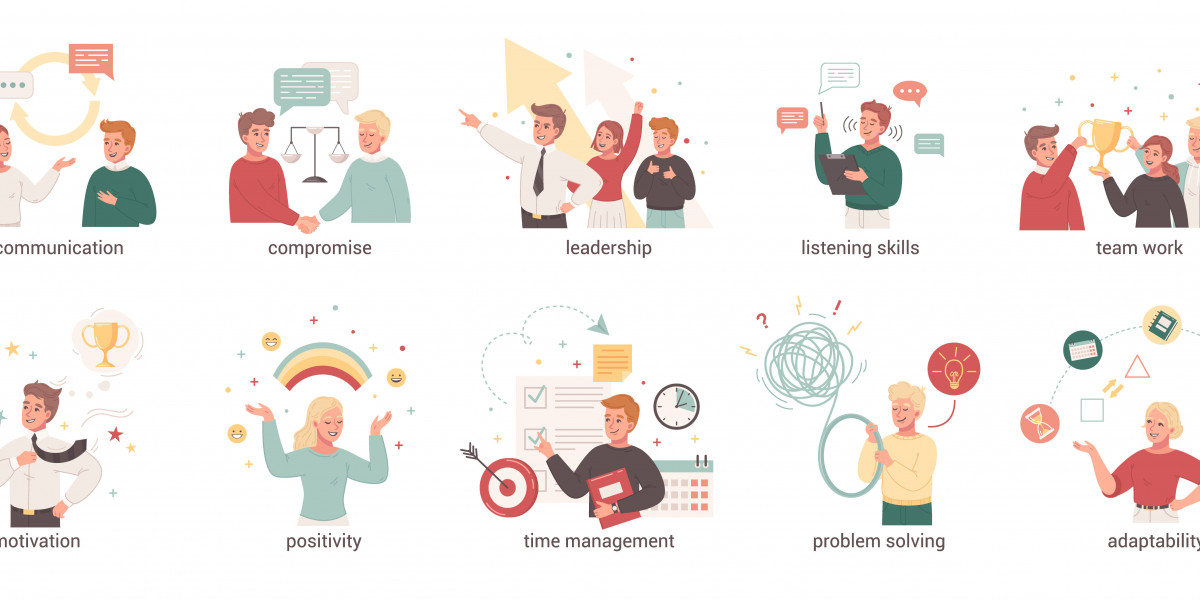
Communication, teamwork, adaptability, and problem-solving play a huge role in workplace confidence. This is why many companies invest in soft skills employee training—it directly impacts how employees perform and interact.
I personally noticed a major shift in my confidence when I improved my ability to handle conversations—whether it was with teammates, managers, or clients.
When you know you can express yourself well, a lot of self-doubt disappears.
9. Take Initiative—Even If It Feels Uncomfortable
Confidence doesn’t grow in a passive environment.
However, one turning point I had was when I volunteered to take a small task beyond the usual scope of my roles. It was nothing major, but something that took me out of my comfort zone.
I was terrified, but it made me realize I can do things that I never thought were even possible for me.
You don’t need to take huge risks. Start small. Offer help, suggest ideas, or take ownership of minor tasks.
Each step builds your confidence layer by layer.
10. Give It Time—More Than You Think
Here’s something I wish someone had told me earlier: confidence takes time, and that’s okay.
In your first few months, everything feels new and overwhelming. But slowly, things start making sense.
Conversations become easier. Tasks feel more familiar. You stop overthinking every small action.
Even now, after six years, there are situations where I feel challenged.
The difference is, I trust my ability to figure things out—and that’s what confidence really is.
Final Thoughts
If you’re just starting your career, don’t chase confidence as a personality trait. Build it as a habit.
Show up, participate, prepare, learn, and improve—consistently.
Whether through real experience or structured learning, like corporate soft skills training, every effort you put in shapes your professional identity.
And one day, without even realizing it, you’ll walk into a room and speak—not because you forced yourself to, but because you know you belong there.