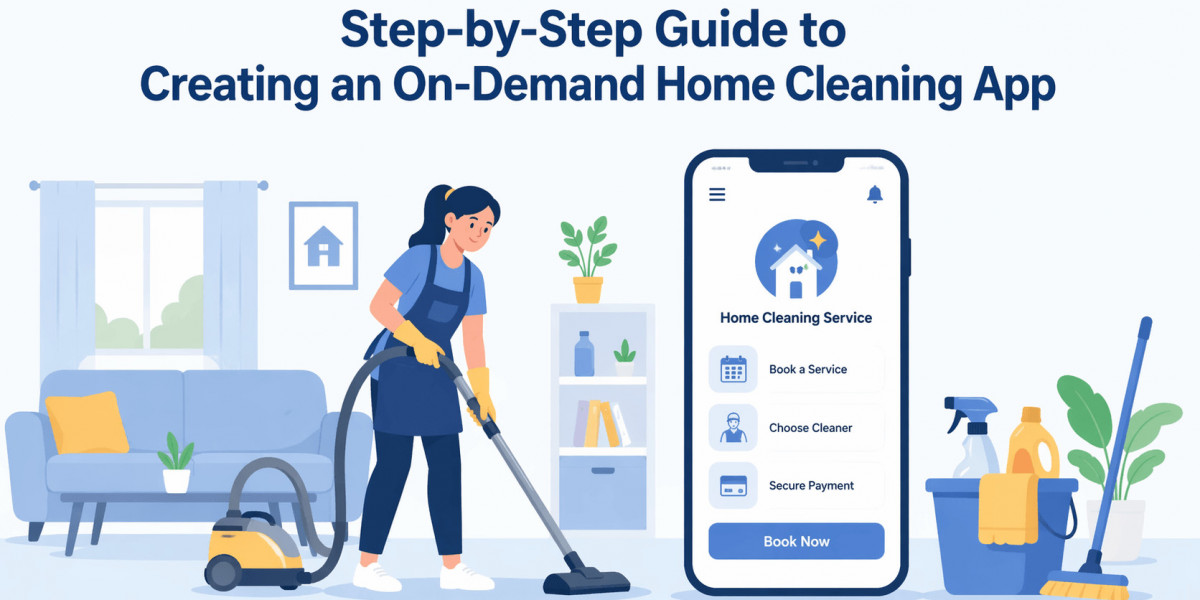

In today's fast-paced world, on-demand services have become increasingly popular, with consumers seeking convenience and efficiency in their daily lives. Among these services, home cleaning apps have emerged as a vital solution for busy individuals and families looking to maintain a clean living environment without the hassle of traditional cleaning methods. This step-by-step guide aims to provide aspiring entrepreneurs with a comprehensive roadmap to creating a successful on-demand home cleaning app. From understanding market dynamics and defining essential features to designing an intuitive interface and implementing effective marketing strategies, this article will equip you with the knowledge needed to navigate the complexities of app development and launch your own cleaning service platform.
Understanding the Home Cleaning App Market
Current Trends in On-Demand Services
The on-demand service industry is booming, and home cleaning apps are riding this wave like a pro surfer. With busy lifestyles and the need for convenience, consumers are increasingly turning to mobile apps to find quick solutions for their cleaning woes. A few key trends include an uptick in eco-friendly cleaning services, subscription options for regular users, and a focus on transparency in pricing and cleaning standards. So, if you’re thinking about diving into this market, don’t just bring a mop—bring your A-game!
Target Audience Analysis
Your target audience will likely include busy professionals, families, and even the occasional overworked college student. Millennials and Gen Z are particularly fond of apps that can save them time and energy. Think of your audience’s pain points: they want reliability, affordability, and a little sprinkle of magic that leaves their homes sparkling. Conduct surveys, focus groups, or even just stalk your friends' cleaning habits—turn insights into your app's DNA!
Competitor Research
Before you start drafting your business plan on a napkin, take a moment to scope out your competitors. Companies like Handy or TaskRabbit have already set the bar, so check out what they’re doing well (and what they aren’t). Look at their pricing models, customer reviews, and unique selling propositions. Knowing your competition isn’t just about staying ahead; it’s about learning from their missteps, too. The best offense is a solid defense, and in this case, knowledge is your secret weapon!
Defining Your App’s Core Features
Essential User Features
When it comes to user features, think of them as the holy trinity: easy booking, payment flexibility, and review systems. Users should be able to book a cleaning service in a few taps—preferably while wearing pajamas. Include a calendar for scheduling, various payment options (because we don’t all carry cash), and a user-friendly rating system to ensure quality. Trust us, a little feedback goes a long way in building loyalty and keeping your users happy.
Service Provider Features
Your service providers need their own set of tools to be effective cleaning ninjas. Features like a simple onboarding process, scheduling management, and real-time notifications are key. Also, think about integrating chat options for communication with clients—nothing too chatty, just efficient enough to get the job done. The easier you make it for them to manage their tasks, the happier they—and your users—will be.
Administrative Features
Last but not least, your app needs a robust backend to keep everything running smoothly. Features like analytics dashboards, user management tools, and financial reporting are essential for tracking progress and performance. Administrative features should help you make data-driven decisions, allowing you to fine-tune your service offerings while sipping coffee (or something stronger, we don’t judge).
Designing a User-Friendly Interface
UI/UX Best Practices
A clean interface for a cleaning app? Seems fitting, right? Start with a simple, intuitive layout that allows users to navigate effortlessly. Use consistent color schemes, easy-to-read fonts, and clear icons to guide their journey. Remember, the goal here is to keep it user-friendly so that even your grandma can book a cleaning in a heartbeat—without calling you for help!
Mockups and Prototyping
Before building the app, create some mockups and prototypes to visualize your ideas. Tools like Sketch, Figma, or Adobe XD can help you bring your vision to life without breaking a sweat (or the bank). Gather feedback from potential users to refine your design before you head to the coding stage. Don’t be shy; early feedback will save you from later headaches!
Accessibility Considerations
Designing for accessibility is not just a nice-to-have; it’s essential. Ensure your app is usable for everyone, including those with disabilities. This means using high-contrast colors, readable fonts, and implementing screen reader support. Include options for text resizing and voice commands—because if cleaning is a chore, using your app shouldn’t be!
Developing the App: Technology Stack and Tools
Choosing the Right Platform (iOS, Android, or Both)
Deciding whether to launch your app on iOS, Android, or both is like picking your favorite child—impossible! Analyze your target audience demographics to figure out where they hang out most. If you have the resources, going for both platforms might be the best way to maximize your reach. Just remember, developing for both can mean more headaches, like upgrading your server to handle twice the traffic. Yay!
Backend Development Options
For backend development, you have several choices: cloud services (like AWS or Google Cloud), traditional servers, or a custom-built solution. Aim for a robust architecture that can handle scaling as your app grows. Consider frameworks like Node.js or Ruby on Rails for flexibility, and make sure your database can support all your data needs. Remember: a strong backend is the backbone of your app.
Integrating Third-Party Services
Never underestimate the power of third-party integrations! Payment gateways, mapping services, and scheduling APIs can elevate your app’s functionality without requiring endless development time. Services like Stripe for payments and Twilio for notifications can save you time and headache. Plus, integrating third-party tools can make your app feel more complete and professional—like adding a cherry on top of an already fabulous sundae!
Implementing Payment Gateway and Booking Systems
Choosing a Payment Processor
When it comes to choosing a payment processor, think of it as dating—select someone who’s reliable, has a good reputation, and offers the features you need. Options like Stripe and PayPal are popular for good reason: they’re secure, user-friendly, and integrate seamlessly with most apps. Make sure to consider transaction fees, ease of setup, and compatibility with your app’s framework. After all, you want your users to pay for their sparkling clean homes easily, not to have a second job figuring out how to complete the transaction.
Booking System Functionality
Your booking system is the backbone of your app, so make sure it’s more solid than a brick house. Users should be able to check availability, schedule appointments, and even make changes with ease. Include features like calendar syncing and reminders, because we all know that life can get busy, and we might forget about that precious cleaning session. A good booking system will ensure the right cleaner shows up at the right time, leaving users to relax instead of panic—win-win!
Managing User Transactions
Effective management of user transactions is key to a successful cleaning app. Implement a system that tracks payments, schedules, and customer history. Consider offering users an easy-to-access dashboard where they can view their transaction history and upcoming bookings. Transparency is not just for your thank-you notes; it’s vital in building trust. And remember: when users feel secure about their transactions, they’re more likely to use your app again and again—like that favorite coffee shop you can’t quit.
Testing and Quality Assurance
Types of Testing (Functional, Usability, Performance)
Testing your app is like giving it a spa day before the big reveal. Functional testing ensures every button works (and that users won’t accidentally book a cleaning for 2007). Usability testing checks that your app is as easy to use as ordering takeout. Performance testing makes sure your app doesn’t crash under the pressure of eager users trying to book their cleanings at once. Treat these tests seriously to avoid user meltdowns—nobody wants a disaster on launch day!
Gathering User Feedback
Once you roll out your app, the feedback floodgates open. Encourage users to share their experiences, and be prepared to hear both raves and rants. Utilize tools like surveys or in-app feedback features to gather suggestions and insights. Remember, constructive criticism is a gift (even if it sometimes feels like a lump of coal). Use this feedback as your roadmap to making improvements, and show users that you’re listening—because who doesn’t love feeling heard?
Continuous Improvement Strategies
In the world of apps, stagnation is the enemy. Keep improving and updating your app based on user feedback, industry trends, and technological advancements. Regularly schedule updates that introduce new features or enhancements—think of it as giving your app a fun makeover every few months. By continuously evolving, you’ll keep users engaged, and who knows? They might just become your app’s biggest advocates, spreading the word like confetti at a party!
Launching Your On-Demand Home Cleaning App
Preparing for a Soft Launch
Before throwing a full-scale launch party, consider a soft launch, or as I like to call it, the "test run." Release your app to a smaller audience to gather data and identify any pesky bugs. Think of this as your app’s dress rehearsal: it’s the perfect opportunity to tweak features, fix glitches, and prepare for the big show. Gather your early users, keep the dialogue open, and remember—this is all part of the plan to make the grand launch a smashing success!
Gathering Launch Metrics
Once your app is out there, you’ll want to keep an eye on the metrics like a hawk. Track downloads, user engagement, and conversion rates. This data will tell you what’s working, what’s not, and whether your app is making waves or sinking faster than a lead balloon. Use analytics tools to help you interpret the numbers, and prepare to adjust your strategies based on the insights you gather—it's all about being proactive, my friends!
Finalizing App Store Submission
The final step before your app hits the digital shelves? App store submission! This is your moment to shine, but be warned: the approval process can be more nerve-wracking than a first date. Ensure all your app details, screenshots, and descriptions are polished to perfection. Adhere to the guidelines of each app store, because the last thing you want is a rejection email that feels like a breakup text. Once approved, celebrate and get ready to watch the downloads roll in!
Marketing Strategies to Attract Users
Building an Online Presence
Building an online presence is like setting up your virtual storefront—make it inviting! Create a user-friendly website, optimize for SEO, and consider starting a blog about cleaning tips and tricks (cue the “ah, so clean” vibes). Consistency is key; keep your design and messaging in sync across all platforms, and don’t forget to weave in your unique personality—because who wouldn’t want to download an app made by someone they’d like to share a cup of coffee with?
Utilizing Social Media and Content Marketing
Social media is your best friend when it comes to reaching new users. Share engaging content, run contests, and post before-and-after cleaning photos (because who doesn’t love a good transformation?) Use platforms like Instagram, Facebook, and TikTok to connect with your audience authentically. Content marketing strategies, such as blog posts and informative videos, can position your app as an authority in the space and keep users eagerly anticipating your next cleaning hack.
Promotions and Referral Programs
Everyone loves a good deal! Launch your app with irresistible promotions—a “first cleaning free” deal can do wonders for attracting initial users. Implement referral programs that reward users for bringing their friends on board. This creates a win-win situation: they get a cleaner home (and a discount!), and you get more downloads. Word-of-mouth marketing is incredibly powerful, especially when it comes from trusted peers. So, go ahead and spread the buzz like the ultimate cleaning fairy. In are!In conclusion, launching an on-demand home cleaning app can be a rewarding venture, combining technology with the growing demand for convenient services. By following the steps outlined in this guide, from market analysis to effective marketing strategies, you can create a platform that not only meets the needs of users but also stands out in a competitive landscape. With dedication and the right approach, your app can become a go-to solution for those seeking reliable home cleaning services. Embrace the journey and make your mark in the on-demand economy!
FAQ
What are the essential features of a home cleaning app?
Essential features typically include user registration and profiles, service provider profiles, booking and scheduling systems, payment integration, customer reviews and ratings, and a user-friendly interface for easy navigation.
How much does it cost to develop a home cleaning app?
The cost of developing a home cleaning app varies widely based on factors such as features, complexity, platform (iOS/Android), and development location. On average, costs can range from $20,000 to $100,000 or more.
How do I market my on-demand home cleaning app effectively?
Effective marketing strategies include building a strong online presence through SEO, leveraging social media platforms, utilizing content marketing, running targeted ads, and implementing referral programs to encourage user acquisition.
What are the legal considerations for launching a home cleaning app?
Legal considerations include ensuring compliance with local regulations, obtaining necessary licenses, implementing data protection measures, and having clear terms of service and privacy policies in place to protect users and your business.