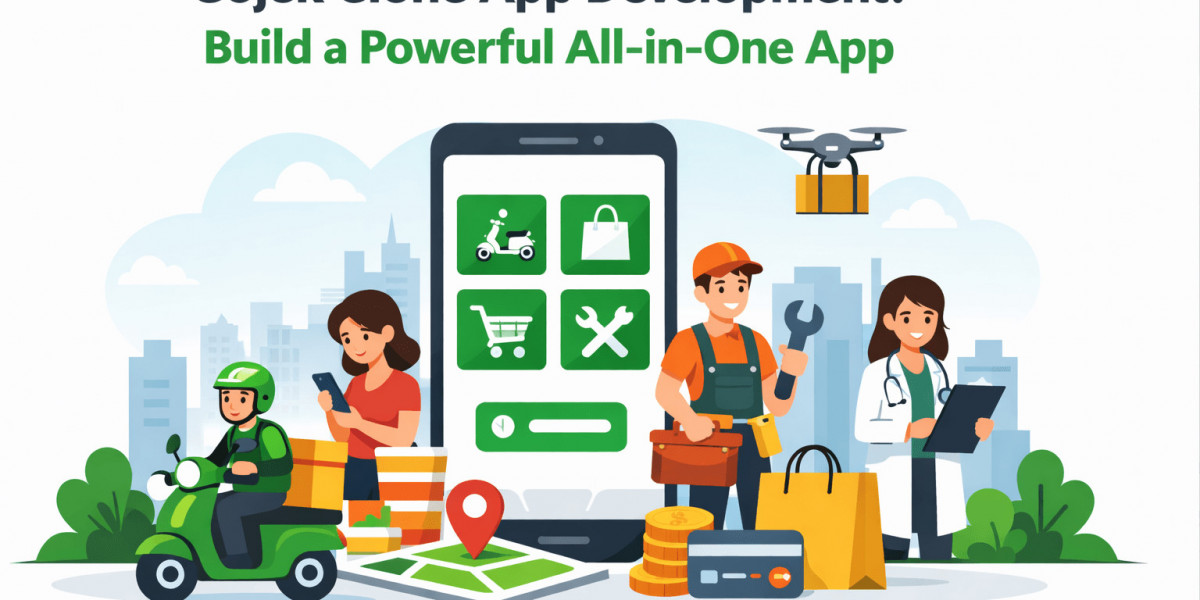

In today's fast-paced digital landscape, the demand for versatile applications that cater to multiple services is at an all-time high. The Gojek clone app, inspired by the successful Indonesian platform, offers entrepreneurs a unique opportunity to tap into the burgeoning on-demand economy. This powerful all-in-one app combines ride-hailing, food delivery, logistics, and various other services under a single umbrella, providing users with unparalleled convenience. As businesses aim to stay competitive, understanding the intricacies of Gojek clone app development becomes essential. This article delves into the key features, development processes, cost factors, and marketing strategies necessary to create a robust and successful Gojek clone app that meets the diverse needs of today's consumers.
Understanding Gojek Clone Apps
What is a Gojek Clone App?
A Gojek Clone App is a dazzling digital platform that combines multiple services into one shiny package—think of it as the Swiss Army knife of apps! Inspired by the original Gojek app, these clones allow users to book rides, order food, request logistics services, and more, all from the comfort of their smartphones. In short, it's an all-in-one solution that saves time, hassle, and, let’s face it, a few precious brain cells.
Benefits of Using a Gojek Clone Model
The benefits of using a Gojek Clone model are as appetizing as a slice of pizza on a Friday night. First off, it’s a ready-made framework—no need to reinvent the wheel. You can cater to various needs (rides, food, and deliveries) in one app, which hammers out any competition. It also offers scalability, allowing you to expand your services without breaking a sweat. Plus, it’s cost-effective! Why spend a fortune developing separate apps when one can do it all? It's the ultimate convenience.
Market Trends and Demand
Market trends indicate that the demand for multi-service apps is soaring higher than your coffee consumption on a Monday morning. With busy lifestyles and on-the-go consumers, people are looking for seamless solutions. The gig economy is thriving, and businesses that can provide multiple services under one roof are winning big. Reports suggest that the global on-demand service industry is set to grow exponentially, making now the perfect time to dive into the Gojek Clone wave!
Key Features of an All-in-One App
Ride-Hailing Services
When it comes to ride-hailing, your Gojek Clone should have all the bells and whistles—a smooth booking process, real-time tracking, and a variety of vehicle options. Whether your users want a sleek sedan or a van for that epic group trip, they should be able to hail their ride without breaking a sweat. After all, no one likes waiting around like they're in a 90s sitcom.
Food Delivery Functionality
What’s an all-in-one app without food delivery? Imagine your users craving pizza at 2 AM (because who doesn’t?), and with a few taps, it’s on the way. Features like menu browsing, order tracking, and a seamless checkout process will delight customers and keep them coming back for more. Who knew you could be a culinary hero from the comfort of your couch?
Logistics and Delivery Services
For those times when you need to deliver grandma's secret cookie recipe or a birthday gift across town, robust logistics and delivery services are essential. Your app should facilitate easy scheduling, real-time tracking, and various delivery options—because sometimes, you just want to send a surprise without a round of applause, right?
Payment Integration Options
Convenience is key when it comes to payments. Incorporating multiple payment gateways (credit/debit cards, digital wallets, etc.) ensures that your users have choices that suit their style. A one-click payment option? Yes, please! Because if there’s anything that deserves to be simple in life, it’s buying tacos.
User-Friendly Interface Design
Lastly, your app should be as easy to navigate as your favorite local pizza place! A clean, intuitive interface enhances user experience, making them feel right at home. Users should be able to find what they need in seconds, not minutes. Think bright colors, engaging graphics, and a layout that practically begs to be explored.
The Development Process of a Gojek Clone App
Research and Planning Phase
Every great masterpiece starts with research, and your Gojek Clone is no exception! Dive into market research to understand your audience, identify competitors, and define your app's unique selling propositions. This phase is all about laying a solid foundation. After all, nobody wants their app to be built on shaky ground—unless you’re building a game of Jenga.
Design and Prototyping
Now comes the fun part: design! Create wireframes and prototypes to visualize how your app will look and function. Think of this as the dress rehearsal before the big show. It’s where you can play around with layouts, colors, and features to see what works best. Plus, getting feedback during this stage is crucial—it’s like having a second opinion before a haircut!
Development and Testing
Once the design is locked down, it's time to code! The development phase is where your app starts to come to life. It's a mix of backend and frontend work—think of it as assembling a complex LEGO set. And don’t forget testing; it’s critical to catch any bugs before showtime. No one wants their app crashing like a bad stand-up comedian!
Deployment and Maintenance
Finally, it's time to launch! Deploy your app on relevant platforms and watch it take off. But don’t kick back just yet; maintenance is key to keeping your app in top shape. Regular updates, bug fixes, and user feedback will help your app thrive in a competitive market. After all, just like a popular café needs to keep refreshing its menu, so does your app!
Technology Stack for Gojek Clone App Development
Frontend Technologies
For the frontend, consider using popular technologies like React or Angular. They help create responsive and engaging interfaces that users will love. Think of it as the beautiful façade of a restaurant—it’s what attracts customers in!
Backend Technologies
On the backend, a robust framework like Node.js or Ruby on Rails will keep your app running smoothly behind the scenes. This is where the magic happens, processing requests faster than you can say “let’s order some takeout.”
Database Solutions
For database solutions, opt for reliable options like PostgreSQL or MongoDB. These databases will manage user data, transactions, and service requests—because we all know data is the new oil, and your app needs a well-oiled engine!
Cloud Services and Hosting
Finally, don’t forget about cloud services and hosting. Platforms like AWS or Google Cloud can scale with your app’s growth, making sure it can handle sudden spikes in usage (like during that late-night 3-for-1 pizza deal). After all, nobody likes a slow app.
Cost Factors in Building a Gojek Clone App
Development Team Costs
Building a Gojek clone app isn’t a walk in the park; it requires a skilled development team who won't just nod and agree with you. Depending on location and expertise, the costs can vary significantly. You might need developers, designers, project managers, and testers. Keep in mind, you usually get what you pay for—so while it may be tempting to go for the budget option, oftentimes, you’ll end up paying more in the long run due to bugs and issues.
Technology and Licensing Fees
Before you dive headfirst into app development, consider the tech stack you need. Platforms, APIs, and libraries may come with their own fees, not to mention any licensing costs for third-party services. Think of it as the hidden fees in a bad relationship—you don’t see them coming until it’s time to pay. Make sure to account for these in your budget to avoid unpleasant surprises!
Marketing and Launch Expenses
Once your app is ready to hit the digital shelves, it’s time to break out the marketing budget. Launching an app is like throwing a party; you want to make sure people show up! From social media campaigns to influencer partnerships, allocate a decent portion of your budget for marketing. Remember, even the best apps won’t succeed if nobody knows they exist.
Ongoing Maintenance Costs
The journey doesn’t end after launch. Regular updates, bug fixes, and customer support are crucial for keeping your Gojek clone app running smoothly. This means budgeting for ongoing maintenance costs to ensure your app remains secure and relevant. Think of it as having a pet; the initial adoption fee is just the beginning—you also need to feed it, groom it, and yes, sometimes take it to the vet!
Marketing Strategies for Your Gojek Clone App
Identifying Target Audience
Before you embark on a marketing journey, it’s critical to identify who your audience is. Are they busy professionals, college students, or perhaps parents juggling a million things? Create user personas that showcase their behaviors, preferences, and needs. This way, your marketing strategies won’t be like throwing spaghetti at the wall to see what sticks—it’ll be more like hitting the bullseye every time.
Utilizing Social Media Marketing
Social media platforms are the new town square where everyone gathers (and argues about pineapple on pizza). Use targeted ads, engaging content, and quirky posts to catch the attention of potential users. Don’t forget to sprinkle in some user-generated content; nothing builds trust like seeing real people rave about your app!
SEO and Content Marketing Techniques
Implementing SEO isn’t just for tech nerds; it’s essential for your app to be found in the vast realm of the internet. Write blog posts that answer common questions your target audience has and use relevant keywords. This way, your app doesn’t just get lost in the sea of options—it's more like the shining lighthouse guiding users home!
Partnerships and Collaborations
Think outside the box and form partnerships with businesses that align with your app's values. Collaborations can help you reach a wider audience by tapping into their customer base. Whether it’s a local coffee shop offering discounts or a popular blog promoting your app, partnerships can add a sparkle to your marketing strategy.
Ensuring Security and Compliance in App Development
Data Protection Regulations
In a world where data breaches are as common as bad coffee, ensuring compliance with data protection regulations is non-negotiable. Familiarize yourself with GDPR, CCPA, and other relevant laws to make sure you’re protecting your users' information. After all, you want to be your users’ safe harbor, not a data leak!
Implementing Security Protocols
Security isn’t just a box to tick; it's the online equivalent of locking your doors at night. Implement encryption, secure payment gateways, and two-factor authentication to keep your platform safe from any shady characters. Regularly updating your security protocols is a must—after all, hackers are like pesky weeds; if you don’t keep pulling them out, they’ll take over!
Regular Audits and Updates
Conducting regular audits of your app not only helps you catch potential loopholes but also ensures compliance with privacy regulations. Schedule frequent updates and security checks as part of your maintenance routine—consider it a spa day for your app, keeping it healthy and secure against new threats.
Future Trends in Multi-Service Apps
Integration of AI and Machine Learning
AI and machine learning are fast becoming the superheroes of app development, and your Gojek clone can definitely benefit from their powers! Use AI to enhance user experiences through personalized recommendations and smarter algorithms that predict trends. It’s like giving your app a magic crystal ball to foresee what users want before they even know it themselves!
Expansion into Emerging Markets
The world is bustling with emerging markets that are ripe for exploration. As more people gain access to smartphones and the internet, expanding your Gojek clone app into these regions could bring golden opportunities. Just remember, what works in one market might not fly in another—do your research, and adapt accordingly!
Focus on Sustainable Practices
Sustainability isn’t just a buzzword; it’s becoming a core value for consumers. As demand for eco-friendly services grows, ensuring your app incorporates sustainable practices—like promoting electric vehicles or supporting local businesses—can set you miles ahead of competitors. Let’s save the planet while we’re at it!
Adoption of Augmented Reality
Augmented reality (AR) is not just for gaming or Snapchat filters anymore. Integrating AR into your app can provide unique user experiences—like virtual tours of services or gamified interactions that engage users on a whole new level. Imagine users being able to visualize their ride before they book; that’s a game-changer!In conclusion. Developing a Gojek clone app presents a significant opportunity for entrepreneurs looking to enter the multi-service market. By understanding the essential features, following a structured development process, and employing effective marketing strategies, you can create a powerful app that meets diverse consumer needs. As technology continues to evolve, staying informed about industry trends and best practices will be crucial for ensuring the long-term success of your Gojek clone app in a competitive landscape. Embrace the potential of this all-in-one solution and take the first step toward building your successful venture.
FAQs
What is a Gojek clone app?
A Gojek clone app is a multi-service application that replicates the features of the original Gojek platform, offering services such as ride-hailing, food delivery, and logistics. It provides a comprehensive solution for users by combining various on-demand services into one app.
How much does it cost to develop a Gojek clone app?
The cost of developing a Gojek clone app can vary significantly based on factors like the complexity of features, technology stack, development team location, and additional services such as marketing. On average, the overall cost can range from a few thousand to several hundred thousand dollars.
What features should be included in a Gojek clone app?
A Gojek clone app should include essential features such as user registration, ride booking, food ordering, payment integration, real-time tracking, ratings and reviews, an admin panel, and customer support options to ensure a seamless user experience.
How can I market my Gojek clone app effectively?
Effective marketing strategies for a Gojek clone app include identifying your target audience, leveraging social media platforms, utilizing SEO and content marketing, offering promotional discounts, and forming partnerships with local businesses to increase visibility and user adoption.