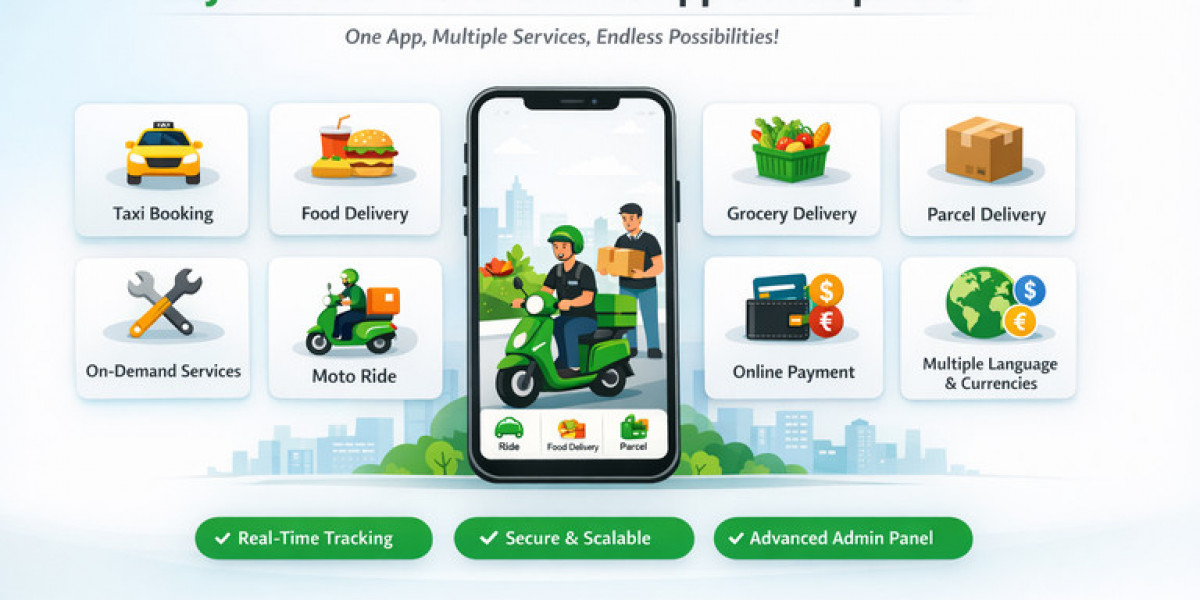

In today's fast-paced digital landscape, multi-service applications have emerged as a game-changer, offering convenience and efficiency to users by consolidating various services into a single platform. The Gojek clone, inspired by the successful Indonesian app, exemplifies this trend, allowing entrepreneurs to tap into the booming on-demand economy. By providing a plethora of services ranging from transportation and food delivery to home services and e-commerce, a Gojek clone not only enhances user experience but also creates diverse revenue opportunities for businesses. This article delves into the essential aspects of Gojek clone development, exploring its features, benefits, and the steps necessary to launch a successful multi-service app in today's competitive market.
Understanding the Gojek Clone Concept
What is a Gojek Clone?
The Gojek Clone is basically the superhero of multi-service apps, combining ride-hailing, food delivery, logistics, and other on-demand services into one sleek package. Think of it as a Swiss Army knife for your smartphone, where you can book a ride, order dinner, and even get a massage without breaking a sweat. It's all about convenience, efficiency, and giving users everything they need at their fingertips, sometimes to the point where one might forget what ‘walking’ feels like.
Comparing Gojek with Other Multi-Service Apps
When you put Gojek alongside other multi-service apps, it's like comparing a multi-course meal to a fast-food combo. While apps like Uber and DoorDash are great for specific services, Gojek takes the cake (and delivers it, too!). It offers everything from transport to beauty services in one app, making it the resident overachiever in the app store. So, if you're looking for variety without downloading a dozen apps, Gojek is your best bet.
Key Features of a Multi-Service App
User-Friendly Interface
A user-friendly interface is to apps what a friendly smile is to a first date: absolutely essential. If users can’t navigate the app with ease, they’ll swipe left faster than you can say “uninstall.” Clear menus, accessible buttons, and a clean design are crucial to ensure that even your tech-challenged uncle can book a ride without needing a manual.
Real-Time Booking and Tracking
No one likes the nail-biting suspense of waiting for a ride or delivery. With real-time booking and tracking, users can watch as their drivers navigate through traffic like a real-life Mario Kart, giving them peace of mind and an occasional chuckle. This feature also helps keep users informed, so they know exactly when to expect their hot pizza or friendly driver.
Multiple Service Options
A multi-service app without multiple service options is like a buffet with just breadsticks—disappointing. Users expect options, whether they want to hail a cab, arrange for a laundry pickup, or find a massage therapist. The more services an app offers, the more likely users are to stick around and become loyal customers.
Secure Payment Gateways
In today’s digital age, security is paramount. Users want to know that their hard-earned money is safe from cyber gremlins. A secure payment gateway not only protects users' data but also builds trust. When users know they can pay without having to double-check their bank statements for suspicious activity, they’re more likely to whip out their cards with ease.
Ratings and Reviews System
Everyone loves a good review (except maybe that one friend who’s always in “the know”). A ratings and reviews system lets users share their experiences, helping others make informed decisions. Plus, it keeps service providers on their toes—no one wants to be the next "1-star" feature in a user’s dramatic app saga.
Benefits of Developing a Gojek Clone
Diverse Revenue Streams
With a Gojek Clone, you’re not just putting all your eggs in one basket; you're practically opening an egg factory. By offering multiple services, you create diverse revenue streams that can help increase profits and keep the business afloat during leaner times. Who knew that offering rides, food deliveries, and on-demand services could also be your golden ticket to financial bliss?
Enhanced Customer Engagement
Engaging your customers is key to keeping them around longer than a fleeting romance. A multi-service app encourages users to return by providing them everything they need in one place. This enhanced customer engagement leads to loyalty, and loyal customers are worth their weight in gold (or at least in premium pizza toppings).
Scalability and Flexibility
A Gojek Clone isn't just a one-hit wonder; it's designed to grow with your business. As you add more services or expand into new markets, your app can scale accordingly. Think of it as the stretchy pants of app development—flexible enough to adapt while still looking good when it counts.
Steps Involved in Multi-Service App Development
Market Research and Analysis
Before you dive headfirst into app development, it's crucial to understand your market. Conducting thorough research and analysis can help identify your target audience and competitors, giving you the insights needed to carve out your niche and avoid launching into a saturated market like a ninja in a clown suit.
Planning and Strategy Formulation
Once you’ve done your research, it’s time to roll up your sleeves and get strategic. Planning involves defining your goals, features, and timelines. Think of it as laying out the blueprint for an epic skyscraper—without it, you're just stacking random blocks and hoping for the best.
Design and Prototyping
A great app starts with a great design. This step involves creating wireframes and prototypes to visualize the app's layout and functionality. It’s like creating a mood board for a really cool party, but instead of parties, you're hosting a digital experience that users will rave about.
Development and Testing
Now comes the magic part: development. This is where the coders and designers join forces to bring your app to life. Once developed, thorough testing is essential to catch any bugs or glitches before launch. Think of it as the final dress rehearsal before the big performance—everyone wants it to go off without a hitch.
Launch and Post-Launch Support
You’ve made it! Launch day is here, and your app is ready to hit the app store. But hold your horses—this isn’t the end of the road. Post-launch support is critical to address user feedback, roll out updates, and keep your app running smoothly. Remember, you’re in it for the long haul, so keep those communication lines open and ready for action!
Choosing the Right Technology Stack
Front-End Technologies
When you're building a Gojek clone, the front-end is your app's face – so make sure it’s pretty! Popular choices include React Native and Flutter for their cross-platform capabilities, allowing you to reach both Android and iOS users without breaking a sweat (or the bank). You can also consider Angular or Vue.js if you’re feeling extra fancy and want a snazzy web experience. Remember, a smooth user interface can turn even the grumpiest user into a happy camper!
Back-End Technologies
For the back-end, you’ll want something robust yet flexible enough to handle all those rides, deliveries, and services without throwing a tantrum. Node.js is a popular choice due to its speed and efficiency, while Python is great for those who love writing code that reads like a novel. Don’t forget a solid framework like Express or Django to smooth your development process. And hey, a dependable database like MongoDB or PostgreSQL will help you keep your data organized – because chaos is not a service you want to offer!
Cloud Services and Hosting Solutions
Hosting your app on the cloud is like renting a spaceship instead of a jalopy – it just makes sense. Consider AWS or Google Cloud for scalability and reliability. You want a hosting solution that can handle spikes in user traffic, like a pro chef handling a sudden dinner rush. Plus, with containerization options like Docker, your app can keep running smoothly across different environments, so you don’t end up serving cold leftovers to your users.
Marketing Strategies for Your Multi-Service App
Identifying the Target Audience
First things first, who are you talking to? Knowing your target audience is essential. Are they busy professionals looking for convenience? Students wanting a budget-friendly ride? Families needing a little extra help? Hone in on their needs and preferences, and you’ll be able to tailor your marketing strategy to speak directly to them, rather than shouting into the void like a lone wolf.
Utilizing Social Media Marketing
Social media is your megaphone! Use platforms like Instagram, Facebook, and TikTok to share engaging content about your services. Memes, testimonials, and even some quirky videos can create buzz. Everyone loves a good GIF – especially if it’s making fun of “before and after using your app” scenarios. Just remember to interact with your audience; nobody likes a ghost town!
Effective SEO Techniques
If you want people to find your app, you’ve got to play nice with Google. Use keywords related to your services in your app’s descriptions and blog posts. Make sure your website is optimized for mobile (because who actually uses a desktop anymore?) and create quality content that answers your target audience's most pressing questions. Think of it as giving Google a nice cup of coffee – it'll get you places!
Leverage Influencer Partnerships
Influencer marketing isn’t just a buzzword; it’s a golden ticket! Partner with influencers who align with your brand’s values and have an audience that matches your target demographic. They can provide authentic endorsements that speak volumes—just remember that followers can see right through a lack of genuine enthusiasm. Make it a match made in marketing heaven!
Challenges and Solutions in Gojek Clone Development
Managing Multiple Services
Juggling multiple services is like riding a unicycle while spinning plates – it’s tricky! To tackle this, implement a modular architecture that allows for easy integration of new services without bringing the whole operation to a grinding halt. Regularly evaluate user feedback to ensure that each service meets the needs of your users. After all, happy users equal smooth sailing!
Competition in the Market
With Gojek clones popping up like mushrooms after rain, standing out is crucial. Focus on differentiating features, stellar customer service, and unique branding. Offering perks like loyalty programs or referral bonuses can give you the edge you need. Remember, in a competitive arena, creativity is your secret weapon!
Ensuring Data Security and Privacy
Data security is non-negotiable; your users need to feel safe. Implement strong encryption protocols and comply with local regulations like GDPR. Regular security audits will help you identify and fix vulnerabilities before they become a problem. Think of it as putting a solid lock on your app's back door – you wouldn’t want an unauthorized guest rummaging through your fridge!
Future Trends in Multi-Service Applications
AI and Machine Learning Integration
AI isn’t just for sci-fi movies anymore; it’s revolutionizing app development! By integrating machine learning algorithms, you can offer personalized recommendations, optimize routes for deliveries, and even predict user behavior. The more you know about your users, the better you can serve them – kind of like being their app genie!
The Rise of Contactless Services
In a post-pandemic world, contactless services are here to stay. Think cashless payments, GPS tracking for deliveries, and virtual consultations. Not only do they enhance user safety, but they also speed up the process, making everything smoother. Everyone loves a fast service, and contactless is the new normal.
Focus on Sustainability and Eco-Friendliness
Consumers are becoming more eco-conscious, and so should your app! Develop features that promote sustainable options, such as electric vehicle rides or eco-friendly delivery methods. Show your users that you care about the planet, and they’ll be more likely to choose you over the competition. After all, who doesn’t want to save the world one ride at a time?In conclusion, developing a Gojek clone as a multi-service app presents an exciting opportunity for entrepreneurs looking to capitalize on the growing demand for convenience and efficiency in the digital age. By understanding its key features, benefits, and development process, you can create a platform that not only meets user needs but also stands out in a competitive market. Embracing innovative technologies and effective marketing strategies will further enhance your app's success, positioning it as a go-to solution for users seeking a diverse range of services at their fingertips. With careful planning and execution, your Gojek clone can pave the way for a thriving business in the on-demand economy.
Frequently Asked Questions (FAQs)
What services can be included in a Gojek clone app?
A Gojek clone app can include a variety of services such as transportation (ride-hailing), food delivery, grocery delivery, home services (cleaning, plumbing), beauty services, e-commerce, and more, allowing users to access multiple services from one platform.
How long does it take to develop a Gojek clone app?
The development timeline for a Gojek clone app can vary based on the complexity of features and the development team's expertise, typically ranging from 3 to 6 months for a basic version and longer for more advanced functionalities.
What is the cost of developing a multi-service app like Gojek?
The cost of developing a Gojek clone app can vary significantly based on factors such as design, features, technology stack, and geographic location of the development team. On average, it can range from $15,000 to $100,000 or more.
How can I market my Gojek clone app effectively?
Effective marketing strategies for your Gojek clone app include identifying your target audience, leveraging social media platforms, utilizing search engine optimization (SEO), engaging in influencer partnerships, and implementing promotional campaigns to attract users.