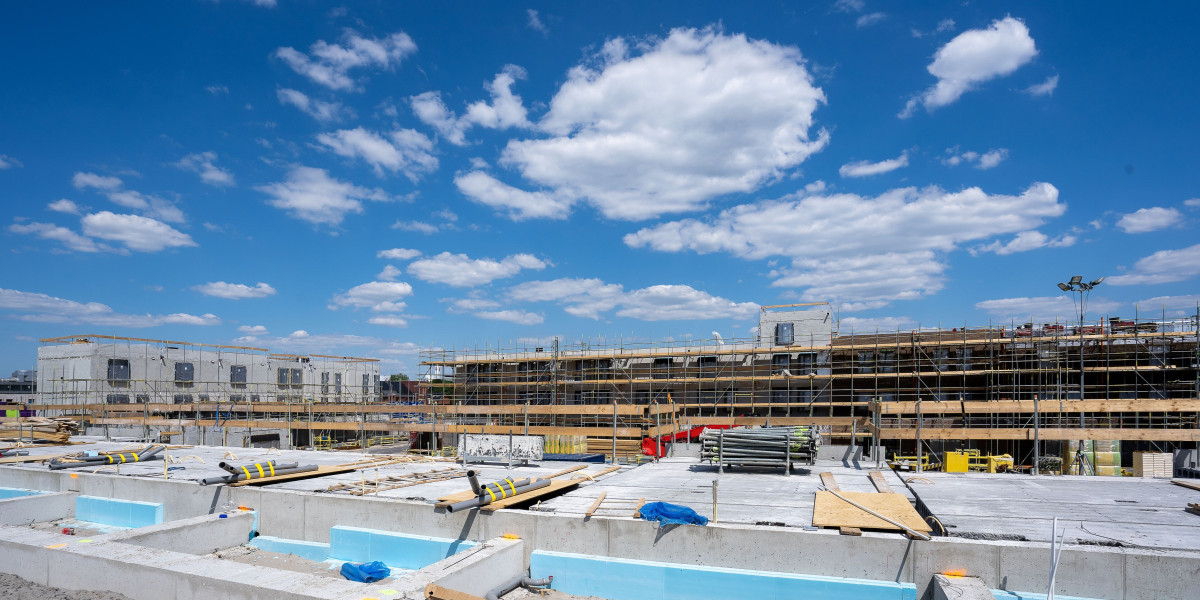

Manchester’s construction scene has its own signature style when it comes to formwork. This is the backbone of any concrete project, holding everything in place while the concrete sets, shaping everything from the ground up—literally. Manchester Formwork is more than just a temporary mold; it drives the speed and safety of the work, shapes how much impact a building has on the environment, and determines how well it holds up over time. In the UK—and especially here in Manchester—the way people use formwork has grown from hands-on craftsmanship to engineered systems, all under the watchful eye of tough regulations.
Back in the thick of the 19th-century industrial boom, Manchester’s factories and warehouses rose up thanks to timber shoring. It was muddy, heavy work, handled by skilled carpenters who knew their stuff. The city kept growing and, through the 20th century, steel and aluminum panels took over. It sped up project timelines and let builders go bigger. By the 1990s, folks turned to prefabricated modular systems. These cut down on on-site waste and delivered more precise work—well ahead of today’s sustainability rules.
These days, Manchester’s builders pick their formwork from a pretty wide range:
Traditional Timber Formwork: You still spot it on small house projects and old-building restorations. It’s flexible and cheap up front, but wood doesn’t last long in the rain, and you can’t reuse it too many times. That means you need a plan to keep things safe.
Steel and Aluminum Formwork: For mid-rise office buildings and the like, metal’s where it’s at. Strong, precise, and you can use it again and again. It’s become the go-to for those after modular builds.
Engineered Plastic Formwork: Light and tough against rust, plastic’s catching on in places that want speed—schools, hospitals, and more. The smooth finish means skipping some post-concrete surface fixes, saving time.
Stay-in-Place Formwork (SIPF): On big bridge decks or massive slabs, SIPF sticks around even after the concrete hardens. It helps hold things together—and you haul away less waste.
3-D Printed Formwork: This is still early days, but there’ve been test runs in Greater Manchester. The approach shaves off waste and lets designers get creative with shapes you can’t really do any other way.
Regulations set the tone in the UK. The CDM 2015 rules aren’t optional; every step of the formwork process gets scrutinized. In Manchester, you’ve also got the local authorities keeping a close eye. Projects have to do in-depth risk assessments for things like collapses or falling debris, and your crew needs proper qualifications—a CSCS Formwork Operative card is a must. If you’re going higher than 30 meters, an independent check is mandatory. Sticking with British Standards on all the technical bits—from how you deal with concrete pressure to Manchester’s sometimes-moody weather—matters.
Sustainability’s a big topic. Manchester’s on the front foot, switching to steel and aluminum systems you can use dozens of times instead of disposable timber. Builders are mixing in recycled plastic panels, fitting with the UK’s circular economy push. “Dry-cast” methods are on the rise: concrete goes into panels that double as insulation, cutting down on energy loss as everything cures.
Water management can’t be brushed aside either. With how much rain Manchester gets, new formwork needs drainage built in to stop water pooling and causing headaches, whether it weakens concrete or soaks the site.
Market-wise, Manchester pulls in specialist contractors, engineering consultants, and universities. There are upwards of 1,200 full-time formwork pros in the city, with the Construction Industry Training Board expecting that number to grow by about 4% each year for a while. Upgrades to the tram network and whole new neighborhoods like Salford Quays keep the orders coming for advanced formwork solutions.
A few trends pop out. Digital modeling and BIM have become standard for bigger sites; it’s all about making sure the architect, engineers, and site workers are on the same page. Modular construction goes hand-in-hand with modular formwork, which speeds things up and keeps people safer—a priority that’s only become stronger since COVID. Automation’s not just a buzzword, either. The Advanced Manufacturing Centre is trying out robots to place or remove panels, aiming for less risk and more consistency. As for contracts, some developers now just say, “Hit these performance targets,” and let suppliers figure out the best system. That nudge sparks a lot of new ideas.
No system is perfect, though. Manchester’s struggling to find enough skilled formwork workers—Brexit hasn’t helped. Material supply can get dicey, with steel and aluminum prices swinging. And, as 3-D printed formwork and other new technologies roll out, making sure they tick all the right safety boxes is a constant task.
In the end, formwork in Manchester captures a city in the middle of change—holding on to what works, but also jumping at new tech and a greener future. By sticking to tough standards, investing in digital tools, and focusing on skills, Manchester’s set to keep building stronger, faster, and smarter for years ahead.