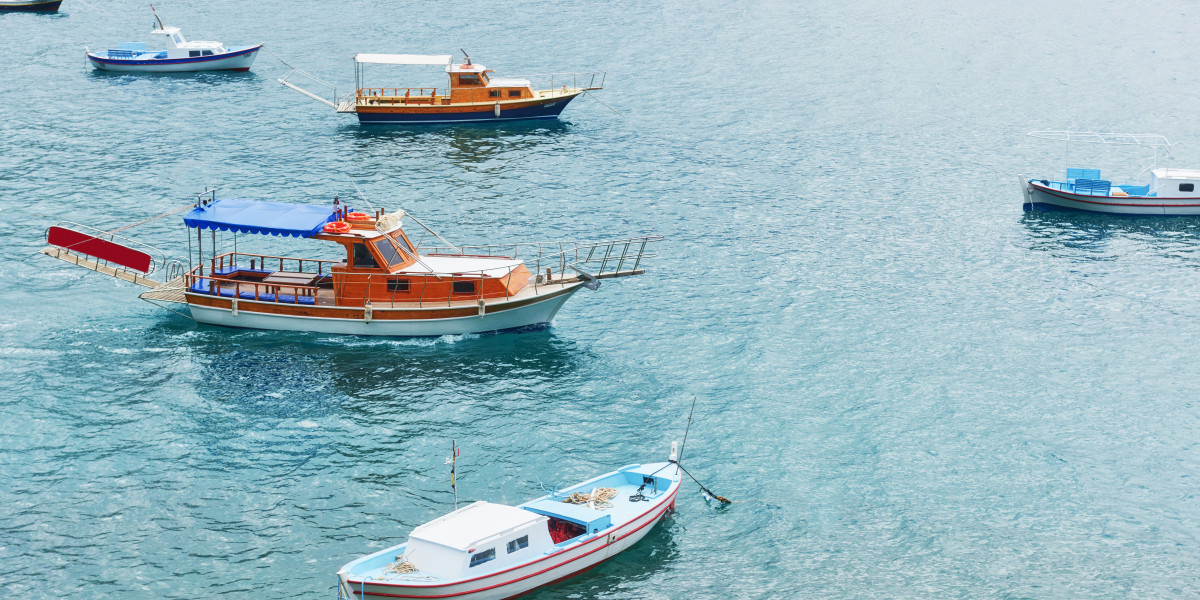

Key Largo sits right at the top of the Florida Keys—basically, it’s the front door to a fisherman’s paradise. The spot where the Atlantic meets the Gulf means all sorts of currents collide here, stirring up bait and drawing a wild mix of pelagic and reef fish. If you want to tap into that richness, the key largo fishing charters are your ticket. They not only get you onto the water but also make sure everything’s above board with the rules and conservation efforts.
Now, what really sets Key Largo apart? It’s the geography. The Florida Straits nearby send the Gulf Stream barreling past the Keys, which brings in warmer water and a non-stop buffet for game fish. Out deeper, you’ll have shots at mahi-mahi, wahoo, or sailfish—the kind of fish that make for serious bragging rights. Closer to shore, shallow reefs and mangroves are stacked with snapper, grouper, amberjack, and, in season, bonefish and tarpon. Really, there’s something for every type of angler.
Timing matters more than most people think. In late spring and early summer, sailfish come rolling through, chasing the sardine runs. Once summer hits, tarpon show up in big numbers—especially around the full moon, when they’re frenzied near the surface. By fall, kingfish are back with the occasional blue marlin. Winter cools everything off, but it’s perfect for snapper and grouper on the reefs. If you work your schedule around these patterns, you stand a way better chance of landing something special.
Fishing here isn’t a free-for-all. The Florida Fish and Wildlife Conservation Commission keeps a close eye on things—there are strict size and bag limits, plus seasonal closures (grouper, for instance, has a 30-inch minimum and is off-limits during spawning). Charter captains handle the paperwork: trip reports, logbooks, licensing—they’re all part of the routine. It keeps the ecosystem healthy and helps the local economy thrive.
You’re not stuck with just one flavor of charter, either. Offshore trips take you over 20 miles out so you can chase the big stuff—billfish and tuna. Reef charters hang closer to those beautiful coral formations, where the fishing is non-stop for bottom dwellers. Or you can go backcountry, winding through mangroves and shallow flats for tarpon and bonefish. Each trip calls for different gear and skills, so you can choose whatever fits your experience.
These days, most charters focus on sustainable fishing. Captains often recommend using circle hooks (less damage to fish), releasing undersized or protected species, and even switching to biodegradable tackle. Around the reefs, they’re careful not to drop anchor on fragile coral. Little choices like these pack a punch—they help make sure the fishery stays healthy and productive down the line.
Economically, it’s a big deal. The charter industry brings serious money into Key Largo—from charter fees to equipment rentals, plus what visitors spend on hotels, food, and even souvenirs. This ripple effect keeps people employed and local businesses humming. Since charters play by the rules and promote responsible fishing, they’re investing in the future of both the fish and the town.
If you’re thinking about booking a charter, a little prep goes a long way. Wear sunscreen, bring polarized sunglasses, and layer up—the weather changes fast. Brush up on local boating manners and listen to your captain (they know their stuff). Checking the latest fishing regulations before you go avoids headaches and makes you a smarter angler.
So, in a nutshell: Key Largo’s fishing charters offer an organized, sustainable way to explore one of the most impressive marine playgrounds in the country. Show up in the right season, follow the rules, and respect the environment, and you’ll not only have a shot at amazing fishing—you’ll help keep this place thriving for whoever comes next.