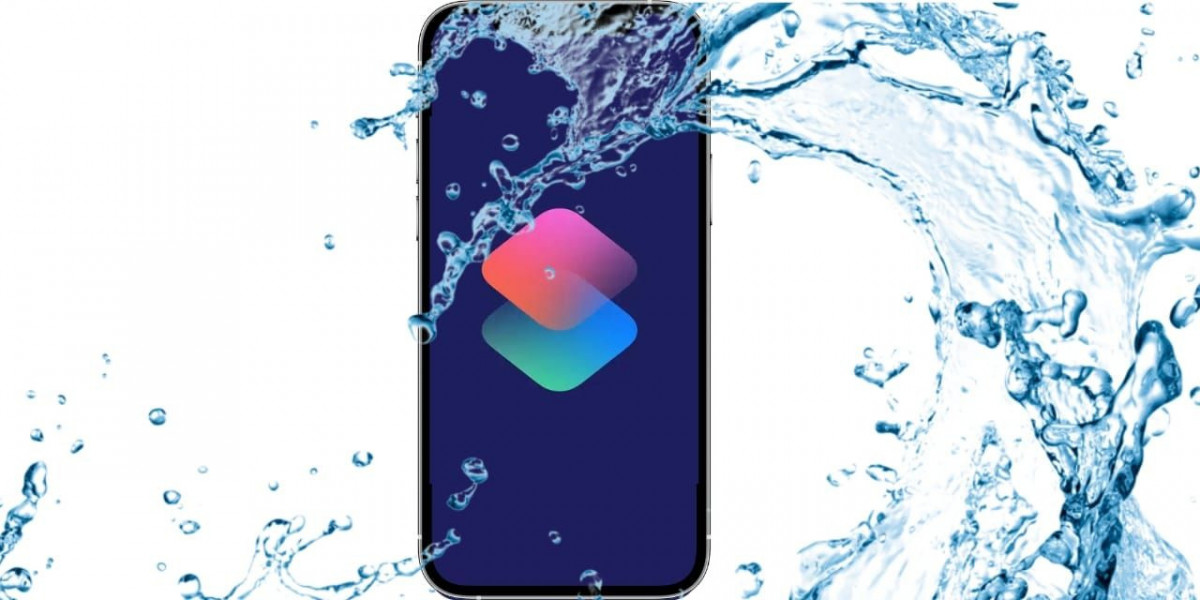

The process of Water removal is essential when electronic devices come into contact with liquids. Proper Water removal ensures that moisture does not damage internal components or reduce device performance. Many users rely on different techniques of Water removal to protect their smartphones, tablets, and other gadgets from long-term harm.
Why Water Removal is Important
The importance of Water removal cannot be ignored because water can cause serious damage to electronic circuits. When Water removal is done quickly, it reduces the risk of corrosion and short circuits. Delayed Water removal may lead to permanent damage, making the device unusable or expensive to repair.
Common Methods of Water Removal
There are several methods used for Water removal, including air drying, silica gel packs, and sound-based vibration tools. Each method of Water removal works differently depending on the level of moisture exposure. Modern devices also support smart Water removal techniques like sound wave eject systems that help clear speakers.
Water Removal for Smartphones
In smartphones, Water removal is especially important for protecting speakers, charging ports, and microphones. Users often perform Water removal by placing their device in a dry environment or using special sound tools. Effective Water removal can restore device functionality without needing technical repair.
Water Removal Using Sound Technology
Advanced Water removal methods include the use of low-frequency sound vibrations. This type of Water removal helps push water out of speaker grills and small openings. Many mobile applications are designed specifically for Water removal, making it easier for users to handle accidental water exposure.
Natural Drying vs Active Water Removal
Natural drying is a basic form of Water removal, but it can take a long time and may not fully clear internal moisture. In contrast, active Water removal methods such as vibration or airflow systems are faster and more efficient. Choosing proper Water removal techniques depends on how much water has entered the device.
Mistakes to Avoid During Water Removal
One common mistake during Water removal is using heat sources like hair dryers, which can damage internal components. Another mistake is ignoring the need for immediate Water removal, which increases the risk of permanent damage. Proper Water removal should always be done carefully and safely.
Conclusion
In conclusion, Water removal is a critical step in protecting electronic devices from moisture damage. Whether using natural methods or advanced tools, proper Water removal ensures better device performance and longer lifespan. Understanding effective Water removal techniques helps users avoid costly repairs and maintain device safety.