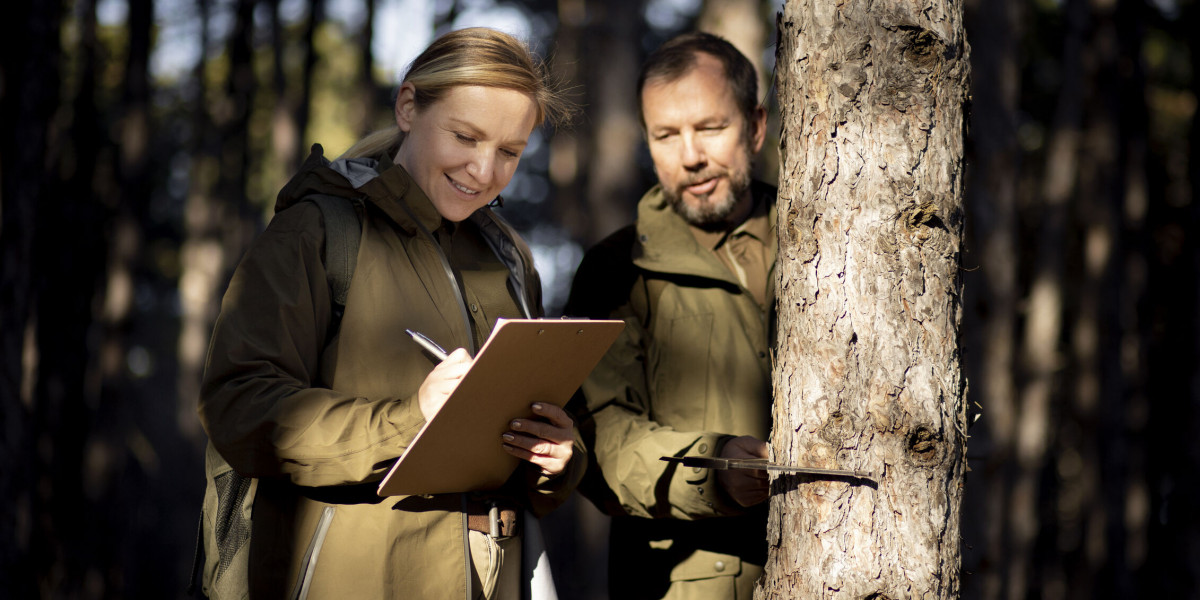

Vermont’s forests stretch across most of the state, shaping the landscape and providing a lot more than just pretty views. Vermont Forest Management Plan offer homes for wildlife, clean water, and outdoor adventures—and they power a timber industry that helps keep local economies afloat. To keep all these things in balance, Vermont uses a flexible forest management plan that’s become a key part of how land gets used statewide. Instead of a cookie-cutter approach, the plan weaves together ecological science, economic concerns, and the needs of local communities.
Let’s break down what matters most in a Vermont forest management plan, why it’s important for everyone—not just landowners—and how folks actually create and use these plans.
Core Goals of a Vermont Forest Management Plan
Everything starts with three big goals:
First, keeping forests healthy and diverse. That means protecting biodiversity, watersheds, and good soil. The plan works to help native trees grow, keep invasive species out, and shield vulnerable spots like riverbanks and older stands of forest.
Second, making timber harvesting sustainable. Yes, conservation comes first, but forests also support jobs and local economies. Harvests only happen at a rate the forest can recover from—never more.
Third, supporting communities and recreation. People hike, ski, birdwatch, and just soak up the outdoors in Vermont’s forests. A smart plan leaves room for public access and beautiful views but keeps safety and natural resources front and center.
All of this fits together—the plan isn’t about trading one benefit for another, but about finding a balance that supports both forests and the people who care about them.
What’s in a Forest Management Plan?
A complete plan covers a lot. Here’s what it usually includes:
- Resource Inventory: A close look at what’s already out there—tree species, ages, health, and site conditions—using everything from aerial photos to actual boots on the ground.
- Silvicultural Prescription: These are the suggested actions for thinning, planting, pruning, and harvesting, all tailored to the forest’s needs and the landowner’s goals.
- Watershed Protection: Forests protect water, so the plan includes things like buffer zones, erosion controls, and smart road placement to keep Vermont’s streams clean.
- Wildlife Habitat: Building nest boxes, leaving some dead trees standing, and adding plant diversity all play a role in supporting animals from birds to bobcats.
- Monitoring & Adaptation: Measurable goals let landowners track how the forest is doing, check on growth, and tweak plans as needed.
- Economic Analysis: Timber revenue estimates, management costs, and a rundown of grants or incentives from state and federal programs help landowners plan for the future.
- Legal Guidance: The plan lines up with all the relevant laws—like the Vermont Forest Practices Act and Endangered Species Act—so everything is above board.
Creating the Plan: Step-by-Step
The process generally works like this:
First, the landowner sits down with a forester to talk goals, challenges, and timing.
Then field crews head out to check stands, sample soil, and map out important details—the kind of thing you can’t do from behind a desk.
Using all this data, the forester puts together a draft plan, blending timber goals with steps to protect water and wildlife.
Next, community members, neighbors, and agencies weigh in. This stage looks at questions like road access or making sure wildlife can move across landscapes.
After some back-and-forth and adjustments, everyone signs off on the final plan—often as part of an official agreement or conservation easement.
Now comes the work: Contractors and landowners carry out what’s in the plan, following best practices to get the job done right.
Finally, regular check-ins make sure the plan stays on target. Forests change over time, so the plan adjusts when needed.
Why It Matters Beyond the Property Line
A good plan does more than help a single landowner—it benefits the whole region. Healthy forests soak up carbon, soften the blow of heavy rains and floods, and keep municipal water clean. They also support more animals and create corridors for wildlife to move and adapt.
On top of that, research shows that forest owners following a well-structured plan usually make more money from timber in the long run compared to those cutting trees without guidance. That’s because healthy forests grow better, resist disease, and can be harvested at the best times.
Getting Started
Vermont landowners have plenty of resources to turn to. The University of Vermont Extension hosts workshops on planning and management. State agencies offer templates and guidance to help folks meet all the legal requirements. And, for those considering big conservation steps, there are federal programs like CRP and FSP that offer financial support.
Conclusion
In Vermont, forests mean business and beauty. A solid management plan isn’t just a stack of papers—it’s a practical roadmap for keeping forests working, healthy, and accessible for everyone. The plan balances timber harvests with the needs of ecosystems and neighbors alike. For landowners, policymakers, and anyone who cares about forests, understanding how these plans work is a key step toward making sure Vermont’s woods stay strong for generations to come.