
Have you ever spent a solid three hours prepping a massive Sunday dinner or standing at a retail counter just to feel like your legs have turned into lead weights? We've all been there. That dull, throbbing ache in your heels that eventually migrates up to your lower back isn't just a sign of "getting older"—it's a sign that your floor is winning a fight against your body. This is exactly where anti fatigue mats come into play. They aren't just fancy pieces of rubber; They are essential tools for anyone who spends more time on their feet than in a chair.
Standing All Day? It's More Than Just Tired Toes
Standing still might seem like a passive activity, but for your muscles, it's a marathon. When you stand on a hard surface like concrete, laminate, or tile, your muscles stay in a constant state of contraction to keep you upright. This restricts blood flow and forces your heart to work harder to pump that blood back up from your feet.
The Science of Static Standing and Micro-Movements
The secret sauce behind high-quality anti fatigue mats is something called "micro-movements." Because the surface is slightly unstable (in a good way!), your calves and feet are constantly making tiny, imperceptible adjustments to keep you balanced. This acts like a natural pump for your veins, keeping the blood moving and preventing that dreaded "heavy leg" feeling. It’s like having a tiny massage therapist working on your soles while you’re busy typing or chopping onions.
What Exactly Are Anti Fatigue Mats and How Do They Work?
At its core, an ergonomic mat is a cushioned surface designed to reduce the stress placed on your joints. Imagine the difference between walking on a paved road versus a soft, mossy forest floor. The latter absorbs the impact, right? That’s what these mats do for your home or workspace. They provide a "bounce back" effect that returns energy to your feet rather than letting the hard floor absorb it all.
Materials That Make a Difference: From Rubber to Gel
Not all mats are created equal. You’ll find everything from cheap foam versions to high-tech gel-infused layers. While foam is great for a quick fix, it tends to bottom out over time. If you want something that lasts, you need to look at the structural integrity of the material. A good anti fatigue mats setup should feel supportive, not like you're sinking into a pillow.
Nitrile Rubber vs. Polyurethane: The Durability Battle
If you're looking for the "pro" version, you’re usually choosing between Nitrile rubber and Polyurethane. Nitrile is fantastic for oily environments or kitchens because it resists chemicals and grease. Polyurethane, on the other hand, is the king of comfort. It’s incredibly resilient and won't lose its shape even after years of someone standing on it for eight hours a day.
Where Can You Use These Cushioned Wonders?
The beauty of anti fatigue mats is their versatility. They’ve migrated out of the factory and into every corner of the modern home and office.
The Home Kitchen: Turn Cooking Into a Spa Day
Most of us have tile or hardwood in the kitchen. It looks great, but it’s brutal on the body during a holiday bake-off. Placing a sleek, wipeable mat in front of the sink or the stove changes the entire experience. Suddenly, you aren't rushing to finish the dishes just so you can go sit down. You're actually comfortable.
The Modern Office: The Best Friend of Your Standing Desk
Standing desks are all the rage for health, but standing on a thin carpet over a concrete office floor for hours is a recipe for a trip to the chiropractor. Using anti fatigue mats at your workstation is the missing link. It allows you to actually enjoy the benefits of standing—better posture and higher calorie burn—without the side effect of localized pain.
Industrial and Retail Spaces: Keeping the Gears Turning
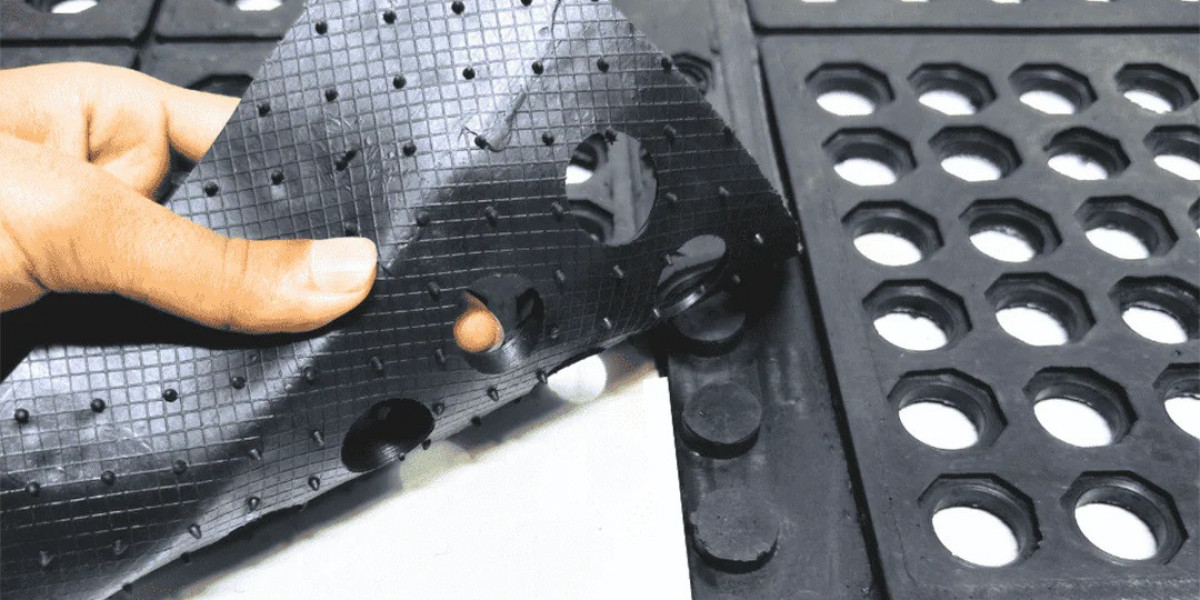
In a warehouse or behind a cash register, these mats are a safety requirement. They don't just stop pain; they prevent slips. Many anti fatigue mats come with beveled edges to prevent tripping and textured surfaces to provide extra grip in wet conditions. It's about keeping the workforce happy, healthy, and on their feet without injury.
Choosing the Right Thickness: Not Too Hard, Not Too Squishy
There's a "Goldilocks zone" for thickness. If a mat is too thin, it's useless. If it's too thick—say, over an inch—it can actually become a trip hazard or cause ankle instability. Most experts suggest that anti fatigue mats should be between 1/2 inch and 3/4 inch thick. This provides enough compression to trigger those vital micro-movements without making you feel like you're standing on a trampoline.
Maintenance and Longevity: Keeping Your Support in Top Shape
You don't want your mat to become a science project. Luckily, keeping anti fatigue mats clean is usually a breeze. For home use, a damp cloth and some mild soap do the trick. In industrial settings, you can often hose them down. The key is to avoid letting dirt grind into the pores of the material, which can break down the cushioning over time.
Common Myths About Ergonomic Floor Solutions
A common misconception is that if you have "good shoes," you don't need a mat. While great arch support helps, even the best sneakers can't change the physics of a hard floor pushing back against your weight. Another myth is that these mats are only for "old people." In reality, using anti fatigue mats when you're young is a preventative measure. Why wait for the back pain to start when you can stop it before it begins?
Final Thoughts: Investing in Your Foundation
We spend a lot of money on mattresses because we spend a third of our lives sleeping. We spend a lot on tires because they are the only part of the car touching the road. It only makes sense to invest in anti fatigue mats for the places where we spend our active hours.
Whether you are a hobbyist woodworker, a professional chef, or a corporate warrior at a standing desk, the right floor surface changes your energy levels. When your feet aren't screaming at you, you can focus on the task at hand. It's a small change that yields a massive return on your physical well-being. So, give your joints a break—they've certainly earned it!