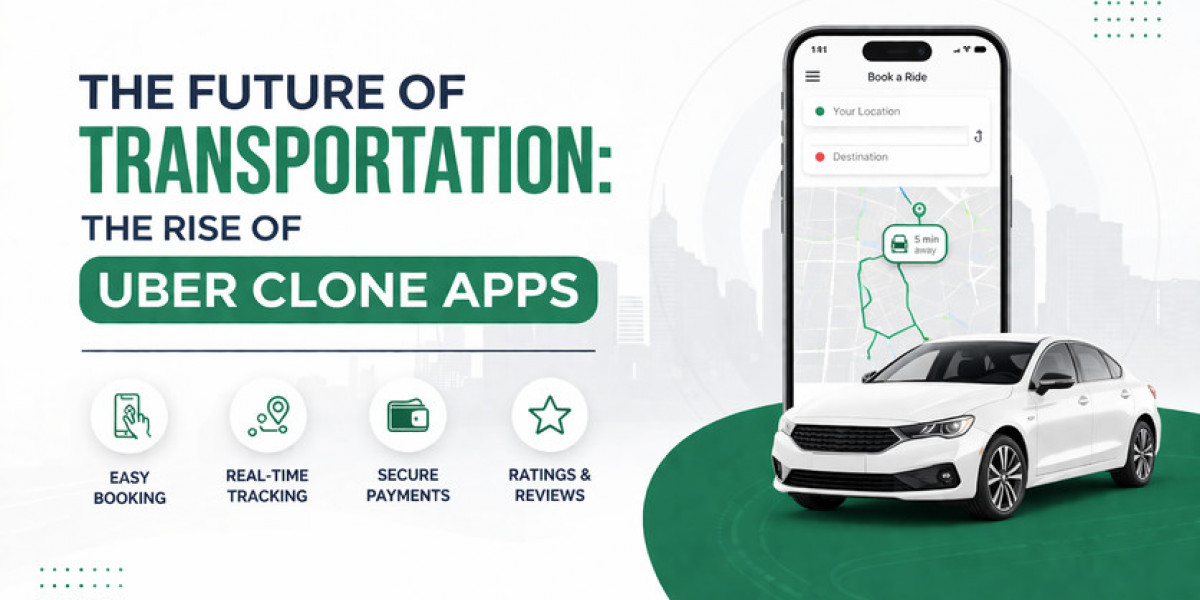

The transportation industry is undergoing a significant transformation, driven by technological advancements and shifting consumer preferences. Among the most notable developments is the rise of Uber clone apps, which offer alternative ride-sharing solutions that cater to diverse markets and unique customer needs. These platforms, inspired by the success of the original Uber model, are reshaping urban mobility, challenging traditional taxi services, and providing entrepreneurs with new opportunities. As we delve into the future of transportation, it is essential to explore the evolution of these apps, their key features, market dynamics, and the challenges they face, while also considering the broader implications for the industry as a whole.
Introduction to Uber Clone Apps
Definition and Overview
Uber clone apps are mobile applications designed to replicate the ride-hailing service model pioneered by Uber. They allow users to request rides from drivers through their smartphones, with functionalities that include fare estimation, driver ratings, and ride scheduling. Think of them as the “homemade spaghetti” version of Uber—similar but with a dash of local flavor.
Historical Context of Ride-Sharing
The ride-sharing revolution took off in 2010 with the launch of Uber, transforming how we think about transportation. Before this, if you needed a ride, you likely had to wave down a taxi or dial a phone number and hope for the best. Fast forward a decade, and we’ve gone from cruising for cabs to scrolling through apps in our pajamas. This tidal wave of convenience led to the birth of similar apps, the so-called "Uber clones," that capitalized on the growing appetite for simple, efficient travel options.
The Evolution of Transportation Technology
Milestones in Transportation Innovation
Transportation has come a long way since the days of horse-drawn carriages. Key milestones include the invention of the steam engine, the introduction of the automobile, and the launch of the first ride-sharing app. Each innovation has fundamentally changed how we connect with one another and get from point A to point B. Spoiler alert: riding a horse is no longer the fastest way to catch a movie on a Friday night.
The Impact of Mobile Technology
The rise of smartphones was like giving a rocket booster to transportation solutions. With mobile technology, everything is at our fingertips—literally. We can summon rides, track them in real-time, and pay without cash, making getting around town more convenient than ever. It's as if we were handed a magic wand that says, “Abracadabra, take me to brunch!”
Key Features of Successful Uber Clone Apps
User-Friendly Interface
A successful Uber clone app must be as easy to navigate as a Sunday morning. Users should feel like they’re seamlessly gliding through options, from choosing a car type to confirming their ride. If an app feels like deciphering hieroglyphics, it’s going to get tossed aside faster than a soggy sandwich.
Payment Integration Options
Nobody likes digging for loose change when a car pulls up. Successful apps offer multiple payment methods, from credit cards to digital wallets, making it a breeze for users to settle their fares. An array of options means less hassle and more chances for users to hop into a ride without the dreaded “Oops, I forgot my wallet” panic.
Real-Time Tracking and Notifications
Users love knowing exactly where their ride is at any given moment—like having their own personal GPS hawk. Real-time tracking features paired with timely notifications take the anxiety out of waiting. Who needs suspense when you can just watch the little car icon get closer and closer?
Safety and Security Features
Safety is a top priority for riders, and successful Uber clone apps include features like driver background checks, ride-sharing safety tips, and emergency contact options. Users want to feel like they’re not just another passenger but a VIP on an exclusive road trip. Providing peace of mind goes a long way in building trust—and happy riders are more likely to book that next ride.
Market Analysis: The Demand for Ride-Sharing Alternatives
Current Trends in the Transportation Sector
The transportation sector is evolving faster than a squirrel chasing an acorn. Current trends show a booming demand for ride-sharing services, with growing interest in eco-friendly options like electric vehicles and carpooling services. Everyone wants to arrive in style without leaving a massive carbon footprint—talk about a win-win!
Demographics of Ride-Sharing Users
From busy professionals to college students, the demographics of ride-sharing users are as varied as toppings on a pizza. Millennials and Gen Z dominate the scene, valuing convenience and affordability. Understanding who’s jumping into the backseat helps app developers tailor their services to meet the needs of these lively passengers.
Regional Variations in Demand
Not all markets are created equal! Demand for ride-sharing apps can vary wildly by region. Urban areas with heavy traffic and limited parking see a higher appetite for such services, while rural regions might be more traditional in their transportation choices. It’s like comparing apples to oranges, but we all know those apples are more likely to end up in an Uber.
Case Studies: Notable Uber Clone Apps Around the World
Successful Examples in Emerging Markets
In cities where traditional taxis fear to tread (and by that, we mean anywhere with half a chance of a traffic jam), Uber clone apps have taken the wheel. In Nigeria, Gokada thrived by offering not just car rides but motorcycle hailing, turning the app into a lifesaver for navigating Lagos’ chaotic streets. Meanwhile, Grab in Southeast Asia expanded its empire from ride-sharing to food delivery and payments, proving that if you can’t beat the competition, just slide into every market like it’s a dance floor.
Innovative Features from Leading Competitors
Boring is the enemy of progress, and leading Uber clone apps are spicing things up with some snazzy features. Take Bolt, for instance, which allows users to earn rewards by taking rides, effectively turning every trip into a little mini-adventure. Lyft, albeit not an Uber clone, has introduced in-app karaoke. Yes, you read that right—because who wouldn’t want to belt out their favorite tunes while speeding down the highway? These features not only enhance user experience but also keep passengers coming back for more.
Challenges Faced by Uber Clone Startups
Regulatory Hurdles
Navigating the maze of regulations can feel like a contestant on a game show—"Will you take Door Number One or face the wrath of local authorities?" Many Uber clone startups have stumbled at the first hurdle, facing bans or heavy fines for operating outside the law. From licensing to insurance and data protection, understanding the local legal landscape is not just advisable; it’s essential. Spoiler alert: it's not as fun as a Sunday drive.
Market Saturation and Competition
The more, the merrier? Not always. As more Uber clones pop up like mushrooms after rain, standing out becomes a Herculean task. Competition is fiercer than a reality show elimination round, with every app promising cheaper fares and faster pickups. Startups must find their unique selling proposition—or risk becoming just another app lost in the shuffle, forever occupying the “Apps I Downloaded and Never Used” folder.
Building Trust with Users
In an industry where a stranger is your chauffeur, trust is the golden ticket. Uber clone apps need to establish credibility with users who may initially be skeptical of hopping into a vehicle with someone they met through a screen. Encouraging user reviews, ensuring safety measures, and efficient customer service are critical in cultivating a loyal user base. After all, the last thing you want is a headline reading, "Local Uber Clone App Leaves Riders in Suspense—Literally!"
The Future Landscape of Ride-Sharing Services
Technological Advancements on the Horizon
Hold onto your smartphones—technology is about to take us on a wild ride! We’re talking about advanced AI algorithms predicting demand, seamless integration of public transport options, and perhaps even flying cars (we wish!). As machine learning gets better, dynamic pricing and route optimization will skyrocket, making ride-sharing smoother than a freshly paved road.
The Role of Autonomous Vehicles
Imagine a world where you can sit back, relax, and let your car do the driving. Autonomous vehicles are edging closer to reality and could revolutionize the ride-sharing industry. While the thought of a computer-driven car might send shivers down some spines, these self-driving wonders could reduce costs, enhance safety, and eliminate the need for drivers. It’s like having your cake and eating it too, minus the calories (yes, please!).
Environmental Considerations and Sustainability
As the world tunes in to climate change (cue the dramatic music), ride-sharing services are starting to take a greener approach. From electric vehicle integration to carbon offset programs, the future is leaning toward sustainability. Apps that prioritize eco-friendliness will appeal to a growing demographic that cares as much about the planet as they do about a ride. Remember, when it comes to saving Mother Earth, every little bit helps—so let’s keep those emissions low!
Conclusion: Navigating the Next Phase of Transportation Innovation
Summary of Key Insights
The rise of Uber clone apps is not just a trend—it’s a transportation revolution. With success stories from emerging markets, innovative features sprouting like weeds, and an eye on sustainability, the ride-sharing landscape is set for growth. However, navigating regulatory mazes, market saturation, and building user trust are the hurdles these startups must overcome.
Future Predictions for Uber Clone Apps
Looking ahead, we predict Uber clone apps will continue to evolve, integrating more technology and sustainability initiatives while adapting to consumer needs. With the race to dominate the market heating up, expect to see creativity, collaboration, and competition like never before. So buckle up—it’s going to be an exciting ride into the future of transportation!In conclusion, the rise of Uber clone apps signifies a pivotal shift in the transportation landscape, highlighting the growing demand for diverse and adaptable mobility solutions.
As these platforms continue to evolve and innovate, they will shape the future of ride-sharing and urban transportation. By understanding the challenges and opportunities within this space, entrepreneurs and stakeholders can better navigate the complexities of the market and contribute to a more efficient, accessible, and sustainable transportation ecosystem. The journey ahead promises to be exciting, as technology and consumer needs converge to redefine how we move from one place to another.
Frequently Asked Questions (FAQs)
What are Uber clone apps?
Uber clone apps are ride-sharing platforms that replicate the core functionalities of the original Uber service, offering similar features such as booking rides, payment processing, and real-time tracking, but often tailored to specific markets or demographics.
How do Uber clone apps differ from traditional taxi services?
Unlike traditional taxi services, Uber clone apps leverage technology to provide a more flexible, user-friendly experience that allows users to book rides via mobile apps, track their drivers in real-time, and often benefit from competitive pricing and various ride options.
What challenges do Uber clone startups face?
Uber clone startups encounter several challenges, including navigating regulatory landscapes, competing with established players in the ride-sharing market, establishing trust with users, and ensuring the safety and security of their services.
What is the future of Uber clone apps?
The future of Uber clone apps is likely to be shaped by technological advancements such as autonomous vehicles and increased focus on sustainability. Additionally, these platforms will continue to adapt to changing consumer preferences and market demands, potentially expanding into new regions and services.