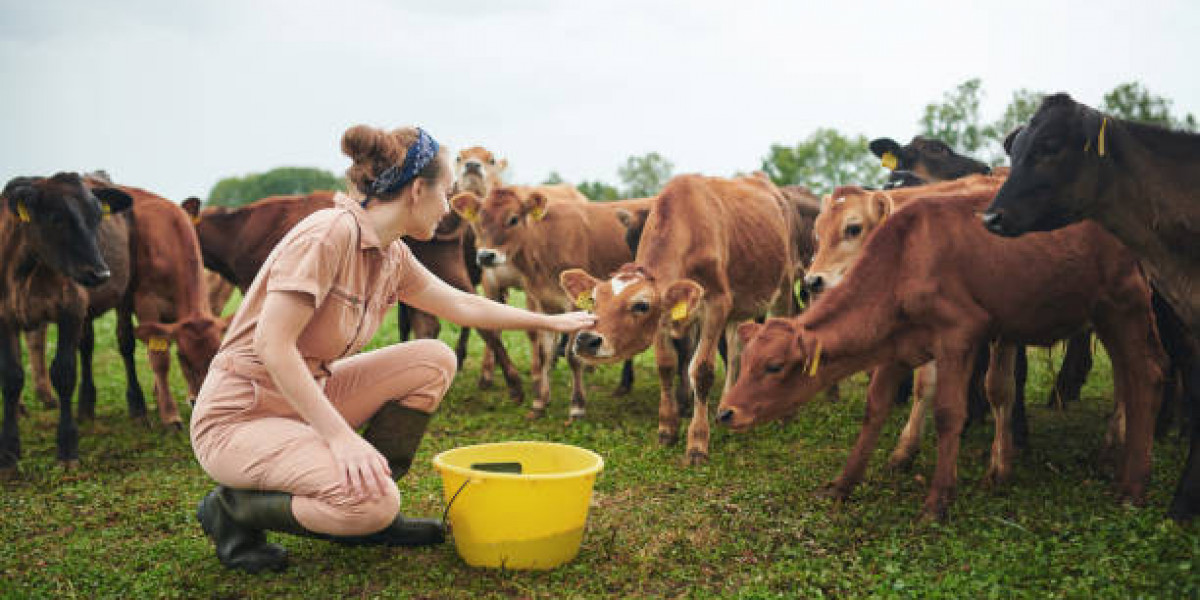

Sustainable agriculture has emerged as a central focus in global farming practices, driven by the need to balance increasing food demand with environmental conservation. Modern approaches emphasize efficiency, productivity, and resource optimization, integrating innovative techniques into traditional farming systems. Animal production plays a significant role in these developments, contributing to protein supply, economic growth, and rural livelihoods. By adopting sustainable methods, farmers can reduce environmental impacts while maintaining high output and profitability.
Principles of Sustainable Agriculture
Sustainable agriculture is grounded in practices that meet current food needs without compromising the ability of future generations to produce food. It involves careful management of soil, water, energy, and biodiversity. Animal production is closely linked to these principles, as livestock systems influence land use, feed resources, and greenhouse gas emissions.
Soil and Nutrient Management
Healthy soil is essential for crop growth and the production of feed for livestock. Sustainable practices such as crop rotation, organic amendments, and reduced chemical inputs help maintain soil fertility. Animal production systems benefit from this approach as nutrient-rich feed leads to healthier livestock and improved productivity.
Integration of Livestock and Cropping Systems
Combining livestock with crop farming can create a balanced and sustainable agricultural system. Animal manure can be used as fertilizer, enhancing soil fertility and reducing dependence on synthetic chemicals. This integration supports long-term productivity in both crops and animal production, while also reducing waste.
Efficient Resource Use
Resource efficiency is critical in modern agriculture, particularly in the context of water scarcity and climate change. Optimizing the use of feed, water, and energy reduces costs and environmental impact. In 動物プロダクション, efficient resource management ensures that livestock are productive while minimizing the pressure on natural resources.
Feed Optimization
Providing balanced and high-quality feed ensures that livestock achieve optimal growth and production. Feed efficiency not only reduces costs but also lowers the environmental footprint by minimizing waste. In modern animal production systems, precision feeding and supplemented diets are commonly used to enhance resource utilization.
Water Conservation Techniques
Water is vital for both crops and livestock. Techniques such as drip irrigation, rainwater harvesting, and recycled water systems help conserve this resource. Animal production systems that implement water-saving strategies maintain animal health and production efficiency even in areas facing water shortages.
Health and Welfare of Livestock
Maintaining the health and welfare of animals is crucial for productivity and sustainability. Healthy livestock are more efficient in converting feed into high-quality products, and good welfare practices also improve product quality and consumer confidence.
Disease Prevention and Management
Preventive healthcare, vaccination, and routine monitoring help control diseases in livestock. Animal production systems that implement strict health management practices reduce losses and maintain productivity. Early detection and proper treatment of diseases are vital to sustaining a productive livestock sector.
Housing and Comfort
Proper housing protects animals from extreme weather and stress, improving growth, reproduction, and overall productivity. In animal production, well-designed facilities with adequate ventilation, space, and hygiene support both animal welfare and farm efficiency.
Technology and Innovation
Modern technology plays a key role in advancing sustainable agriculture. Precision tools, automation, and digital systems help farmers make data-driven decisions, optimize resource use, and improve efficiency.
Precision Livestock Farming
Precision livestock systems monitor animal health, behavior, and growth using sensors and digital platforms. This technology allows farmers to provide targeted care, optimize feed, and reduce waste. Animal production benefits from higher efficiency and improved animal welfare through real-time monitoring.
Renewable Energy Integration
Using renewable energy sources such as solar, wind, or biogas reduces reliance on fossil fuels and lowers production costs. In animal production, renewable energy powers feeding systems, lighting, and climate control, making farms more sustainable and resilient.
Environmental Sustainability
Reducing the environmental impact of agriculture is essential for long-term productivity. Sustainable animal production systems minimize greenhouse gas emissions, optimize land use, and prevent pollution.
Waste Management
Proper handling and recycling of livestock waste reduces environmental pollution and provides opportunities for energy and fertilizer production. Animal production systems that implement composting, anaerobic digestion, or manure processing contribute to cleaner and more sustainable farming.
Climate-Resilient Practices
Climate change impacts agriculture through shifting weather patterns and extreme events. Adaptive strategies, such as drought-tolerant feed crops, rotational grazing, and efficient water systems, help animal production systems remain resilient while maintaining productivity.
Economic and Social Impacts
Sustainable animal production not only benefits the environment but also strengthens rural economies and livelihoods. By increasing efficiency and product quality, farmers can achieve higher income and stability.
Market Access and Profitability
Meeting consumer demands for high-quality, sustainably produced animal products opens access to domestic and international markets. Efficient animal production systems enhance profitability and competitiveness, ensuring long-term economic sustainability.
Supporting Rural Communities
Livestock farming creates jobs and strengthens rural communities by providing income and opportunities for small-scale farmers. Sustainable practices in animal production improve living standards and foster social well-being.
Future Directions in Animal Production
The future of sustainable agriculture and animal production lies in innovation, integration, and continuous improvement. Emerging technologies, education, and policy support will drive advancements in efficiency, welfare, and environmental stewardship.
Smart and Data-Driven Farms
Adopting artificial intelligence, IoT devices, and automated systems will allow farmers to make precise decisions, optimize production, and reduce environmental impacts. Animal production systems that embrace technology will be more competitive and sustainable.
Policy and Knowledge Support
Government policies, research, and training programs play a key role in promoting sustainable agriculture. Providing farmers with resources and education ensures widespread adoption of best practices in animal production and overall farm management.
Conclusion
Sustainable agriculture is essential for meeting the food demands of a growing population while protecting the environment. Advanced animal production systems play a central role in this process by improving efficiency, ensuring animal welfare, and supporting rural economies. By integrating technology, optimizing resources, and adopting environmentally friendly practices, farmers can create resilient and profitable operations. The future of agriculture depends on these sustainable and innovative approaches to animal production, ensuring food security and environmental stewardship for generations to come.