
Introduction
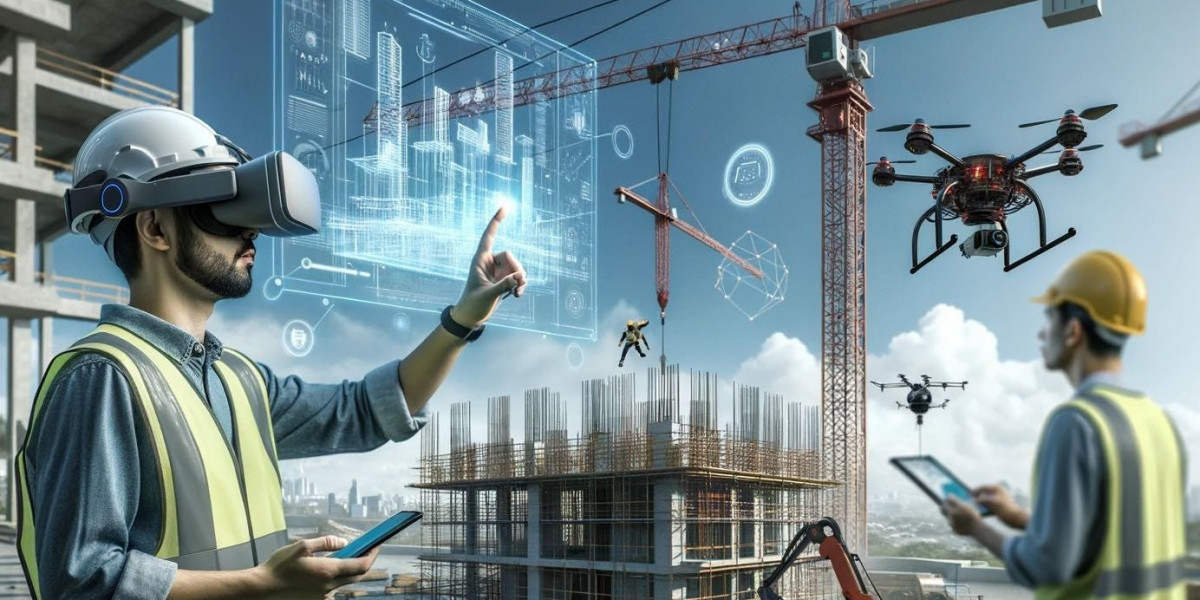
The construction industry has long been considered one of the most traditional sectors in the global economy. For decades, construction projects Umrah Packages relied heavily on manual labor, paper-based documentation, and conventional management practices. However, in recent years, the industry has begun experiencing a profound shift driven by digital transformation. Technologies such as Building Information Modeling (BIM), Artificial Intelligence (AI), drones, cloud computing, and the Internet of Things (IoT) Umrah Packages are reshaping how construction projects are planned, managed, and executed.
Digital transformation in the construction industry refers to the integration of digital technologies into every phase of construction projects— Umrah Packages from design and planning to execution, monitoring, and maintenance. This shift is not only improving efficiency but also reducing costs, enhancing safety, and increasing productivity.
As the demand for faster, safer, and more sustainable construction continues to grow, digital tools and innovations are becoming essential rather Umrah Packages than optional. This article explores the importance of digital transformation in the construction industry, the technologies driving the change, the benefits and challenges involved, and what the future holds for this evolving sector.
Understanding Digital Transformation in Construction
Digital transformation in construction involves the adoption of advanced technologies to improve workflows, collaboration, and decision-making processes. Umrah Packages Traditionally, construction projects faced issues such as delays, cost overruns, poor communication, and inefficient project management. Digital technologies are now helping overcome these challenges.
At its core, digital transformation aims to:
Improve project planning and design accuracy
Enhance collaboration among stakeholders
Increase productivity and efficiency
Reduce risks and safety hazards
Optimize resource management
By integrating digital solutions, construction companies can streamline operations and achieve better project outcomes.
Key Technologies Driving Digital Transformation
Several emerging technologies are revolutionizing the construction industry. Umrah Packages These technologies are enabling companies to modernize their processes and deliver projects more efficiently.
1. Building Information Modeling (BIM)
Building Information Modeling, commonly known as BIM, is one of the most significant technological advancements in construction. Umrah Packages BIM allows architects, engineers, and contractors to create detailed 3D digital models of buildings before construction begins.
These models contain important information about materials, structure, costs, and timelines. With BIM, project teams can visualize the entire project, Umrah Packages detect design conflicts early, and improve collaboration among different stakeholders.
BIM also helps reduce errors and rework, which ultimately saves both time and money.
2. Artificial Intelligence (AI) and Machine Learning
Artificial Intelligence is increasingly being used to analyze construction data and improve decision-making. AI-powered tools can predict potential risks, Umrah Packages optimize schedules, and automate routine tasks.
For example, machine learning algorithms can analyze past project data to identify patterns and suggest better construction strategies. Umrah Packages AI can also monitor job sites using cameras and sensors to detect safety risks and ensure compliance with safety regulations.
3. Drones in Construction
Drones are becoming a valuable tool for construction companies. Umrah Packages They are used for site inspections, surveying land, and monitoring project progress.
With drones, construction managers can capture high-resolution aerial images and videos of project sites. This helps them track progress, identify issues, Umrah Packages and ensure that construction activities are proceeding according to plan.
Drones also reduce the need for manual inspections in hazardous areas, Umrah Packages thereby improving safety.
4. Internet of Things (IoT)
The Internet of Things refers to a network of connected devices that collect and share data in real time. In construction, IoT devices such as sensors and Umrah Packages smart equipment are used to monitor various aspects of a project.
For example, sensors can track equipment usage, monitor environmental conditions, and measure structural performance. This data helps Umrah Packages construction managers make informed decisions and improve overall project efficiency.
IoT technology also supports predictive maintenance, reducing equipment downtime and maintenance costs.
5. Cloud-Based Construction Management
Cloud computing is another key driver of digital transformation in construction. Cloud-based platforms allow project teams to access important documents, Umrah Packages drawings, and project data from anywhere.
These platforms improve communication and collaboration among architects, engineers, contractors, and clients. Real-time data sharing ensures that Umrah Packages everyone involved in the project is working with the latest information.
Cloud-based project management tools also help track budgets, Umrah Packagesschedules, and resource allocation more effectively.
6. Augmented Reality (AR) and Virtual Reality (VR)
Augmented Reality and Virtual Reality technologies are transforming the design and visualization process in construction.
With VR, project stakeholders can experience a virtual walkthrough of a building before construction even begins. This helps identify design Umrah Packages issues early and allows clients to better understand the project.
AR technology overlays digital information onto the physical environment, Umrah Packages helping workers visualize construction plans directly on the job site.
Benefits of Digital Transformation in Construction
Digital transformation offers numerous advantages for construction companies and project stakeholders. These benefits are helping organizations improve their Umrah Packages competitiveness in an increasingly digital world.
Improved Project Efficiency
Digital tools streamline project management processes, allowing teams to plan, schedule, and execute tasks more efficiently. Automated systems reduce manual work and minimize human errors.
Better Collaboration
Construction projects involve multiple stakeholders, Umrah Packages including architects, engineers, contractors, and clients. Digital platforms improve communication and collaboration among these groups.
Real-time data sharing ensures that everyone has access to the latest project updates and information.
Cost Reduction
By identifying potential issues early and improving resource management, digital technologies help reduce construction costs. Umrah Packages Tools like BIM and AI can detect design conflicts before construction begins, preventing costly rework.
Enhanced Safety
Safety is a major concern in the construction industry. Umrah Packages Digital technologies such as wearable devices, drones, and AI-powered monitoring systems help identify safety risks and prevent accidents.
These tools also help ensure compliance with safety regulations and standards.
Increased Productivity
Automation and digital workflows enable construction Umrah Packages companies to complete projects faster and more efficiently. Workers can focus on high-value tasks while repetitive processes are handled by digital systems.
Challenges of Digital Transformation
Despite its many benefits, digital transformation in Umrah Packages construction also presents several challenges.
High Initial Investment
Implementing digital technologies often requires Umrah Packages significant upfront investment in software, equipment, and training. Small construction companies may find it difficult to afford these costs.
Resistance to Change
The construction industry has traditionally relied on established Umrah Packages methods and practices. Some workers and managers may resist adopting new technologies due to lack of familiarity or fear of change.
Skills Gap
Digital transformation requires skilled professionals who Umrah Packages understand both construction processes and digital technologies. Many companies struggle to find workers with the necessary technical expertise.
Data Security Concerns
As construction companies increasingly rely on digital platforms, Umrah Packages protecting sensitive project data becomes a major concern. Organizations must implement strong cybersecurity measures to safeguard their information.
Strategies for Successful Digital Transformation
To successfully adopt digital technologies, construction companies need a clear strategy and commitment from leadership.
First, organizations should assess their current processes Umrah Packages and identify areas where digital solutions can provide the greatest value. This helps ensure that investments in technology deliver meaningful results.
Second, companies must invest in training and skill development. Umrah Packages Workers need to understand how to use digital tools effectively in order to maximize their benefits.
Third, collaboration between technology providers and construction professionals is essential. By working together, they can develop solutions that address the unique challenges of construction projects.
Finally, companies should adopt a gradual approach to digital Umrah Packages transformation rather than attempting to implement multiple technologies at once.
The Future of Digital Construction
The future of the construction industry is increasingly digital. Umrah Packages As technologies continue to evolve, we can expect even more innovations that will further transform construction processes.
Robotics and automation are likely to play a larger role in construction activities, reducing reliance on manual labor. Advanced AI systems will improve project Umrah Packages planning and risk management.
Digital twins—virtual replicas of physical buildings—Umrah Packages allow construction teams to monitor structures in real time and optimize their performance throughout their lifecycle.
Sustainability will also become a key focus, with digital technologies helping companies design energy-efficient buildings and reduce environmental impact.
Conclusion
Digital transformation is revolutionizing the construction industry by introducing innovative technologies that improve efficiency, safety, and collaboration. Umrah Packages Tools such as BIM, AI, drones, IoT, and cloud computing are enabling construction companies to overcome traditional challenges and deliver projects more successfully.
Although the transition to digital construction comes with challenges such as high costs, resistance to change, and skills shortages, the long-term benefits far Umrah Packages outweigh these obstacles. Companies that embrace digital transformation will be better positioned to compete in the modern construction landscape.
As the industry continues to evolve, digital technologies will play an increasingly critical role in shaping the future of construction. By adopting these innovations, Umrah Packages construction companies can build smarter, faster, and more sustainable projects that meet the demands of the modern world.