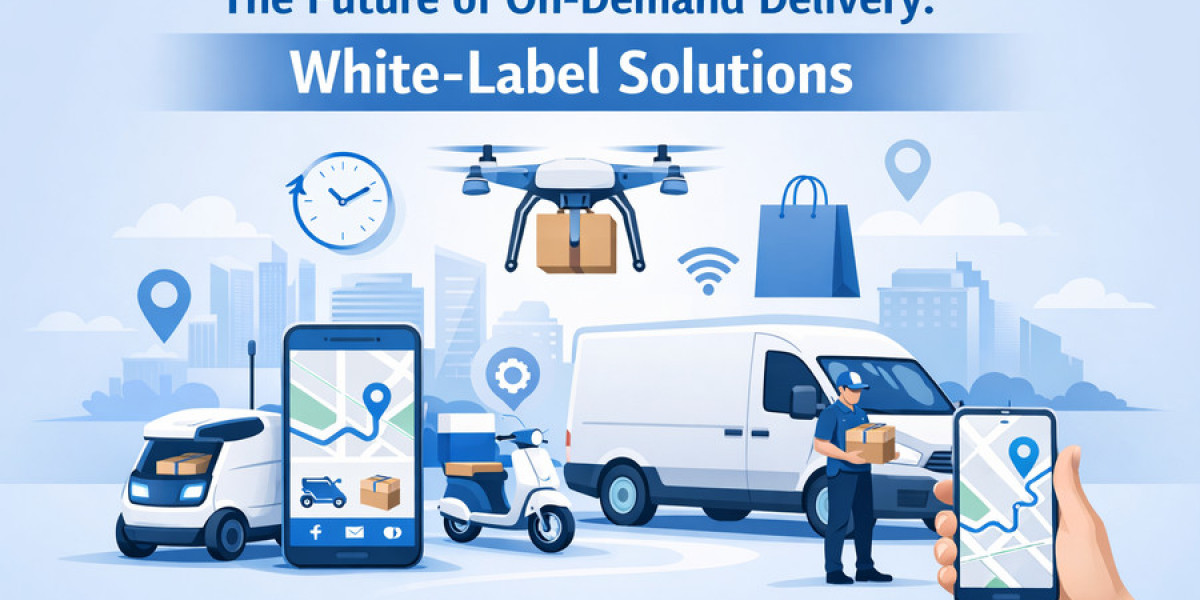

The on-demand delivery market has transformed the way consumers access products and services, offering unparalleled convenience and speed. As this industry continues to evolve, businesses are increasingly turning to white-label solutions to streamline operations and enhance their brand presence. These customizable services allow companies to leverage existing infrastructure while focusing on their unique offerings. This article explores the future of on-demand delivery through the lens of white-label solutions, delving into their benefits, challenges, and the technological innovations that are shaping their trajectory. By understanding these dynamics, businesses can better navigate the complexities of this fast-paced ecosystem and position themselves for success in the years to come.
Understanding On-Demand Delivery: Current Landscape
Definition and Importance
On-demand delivery is like having a pizza magically appear at your doorstep within minutes—except it can be anything: groceries, medications, or even your favorite artisan soap. This service caters to the instant gratification we didn’t even know we craved. With busy lifestyles pushing consumers towards convenience, on-demand delivery has become essential for businesses looking to meet customer needs quickly and effectively.
Market Trends and Consumer Behavior
The demand for on-demand services has skyrocketed, especially post-pandemic when we all got too cozy in our sweatpants. Consumers now expect quick fixes—whether it's food, retail, or services—leading to a surge in mobile app usage and e-commerce. Not only are they looking for speed, but they also appreciate transparency and sustainability, making them more discerning about who delivers their goods (no, they don’t want to see a seven-day-old sandwich on TikTok).
Key Players in the Industry
The on-demand delivery space is bustling with key players like DoorDash, Uber Eats, and Postmates, each scrambling to snag a bigger slice of the delivery pie. But it's not just the big guns; regional favorites and niche market entrants are making waves too. Plus, don’t forget about retailers jumping into the fray, partnering with these platforms or rolling out their own delivery options to keep customers from roaming away.
The Rise of White-Label Solutions in Delivery Services
What are White-Label Solutions?
White-label solutions are like that generic cereal brand that tastes just as good as the name brand, but without the flashy packaging. In delivery services, this means businesses can offer their own branded delivery service powered by a behind-the-scenes provider. It allows companies to focus on their core competencies while leaving the nitty-gritty logistics to someone else.
Growth of the White-Label Market
The white-label delivery market is on an upward trajectory—much like your caffeine intake when you realize deadlines are approaching. Businesses are increasingly adopting these solutions to maintain competitive advantage and adapt to changing market demands without investing heavily in infrastructure. This growth is partly fueled by the need for flexibility and customization, as brands seek to create unique customer experiences.
Comparison with Traditional Delivery Models
Traditional delivery models are akin to the old dial-up Internet—slow and somewhat clunky. White-label solutions, on the other hand, resemble the high-speed fiber-optic connection of the delivery world. They offer faster scalability, reduced overhead costs, and the opportunity to customize services based on specific brand needs, leaving traditional delivery methods in the dust (or at least in a very long line).
Key Benefits of White-Label Delivery Solutions
Cost-Effectiveness and Resource Efficiency
White-label delivery solutions are a financial lifesaver in the age of sky-high logistics costs. By outsourcing delivery operations, businesses can cut down on delivery expenses and utilize their resources where they matter most—like perfecting that third version of an Instagram post. It’s all about getting more bang for your buck without sacrificing quality.
Brand Customization and Flexibility
With white-label solutions, the brand reigns supreme. Companies can tailor every aspect of their delivery process, from logos to packaging, ensuring a seamless brand experience. It’s essentially the delivery equivalent of being able to pick your own toppings on a pizza—everyone’s happy, and nobody ends up with pineapple if they don’t want it.
Faster Market Entry
Time is money, my friend, and white-label solutions allow businesses to hit the ground running. By leveraging existing technologies and practices, brands can quickly enter the market without going through the lengthy setup of building a delivery infrastructure from scratch. It’s like jumping on a moving train instead of waiting for a new one to be built.
Challenges and Considerations for Businesses
Quality Control and Customer Experience
While the idea of outsourcing delivery is tempting, maintaining quality control is like trying to herd cats. Businesses must ensure that the third-party service providers uphold their standards, or they risk disappointing customers. After all, nobody likes waiting forever only to find their burger's gone rogue, like an overcooked mystery meat.
Integration with Existing Systems
Integrating white-label solutions into existing systems can sometimes feel like trying to fit a square peg into a round hole. Businesses need to ensure that everything works smoothly together; otherwise, the whole operation could turn into an episode of a reality show—chaotic and full of unexpected drama.
Regulatory and Compliance Issues
Navigating the regulatory landscape can be tricky. Businesses must ensure their white-label providers comply with local laws and regulations, which can vary significantly from one region to another. Think of it as the adulting portion of business: nobody really likes it, but it’s absolutely necessary to avoid getting fined or worse—having to shut down for non-compliance.
Technological Innovations Shaping the Future
AI and Predictive Analytics
Artificial Intelligence (AI) is not just for sci-fi movies anymore; it’s reshaping how businesses manage on-demand delivery. Predictive analytics powered by AI can forecast demand, optimize route planning, and enhance inventory management quicker than you can say "where’s my package?" This tech allows delivery services to anticipate customer needs better, reducing wait times and increasing satisfaction. It's like having a crystal ball but less mystical and more algorithmic.
Blockchain for Transparency and Security
Enter blockchain—no, not the thing you hear about when discussing crypto investments. In the delivery world, blockchain provides a secure, transparent way to track products from point A to point B. It can ensure that items are what they claim to be, significantly reducing fraud and errors. Plus, customers love knowing exactly where their stuff is at any given moment; it’s like being able to track Santa on Christmas Eve but less magical and more logistical.
Last-Mile Delivery Innovations
The "last mile" is where dreams (or, at least, packages) come true. Innovations like drones, autonomous vehicles, and even delivery robots are gearing up to tackle this final hurdle. These high-tech marvels can navigate city streets and deliver your coffee or online shopping in record time. Say goodbye to missed delivery windows and hello to the future where your packages might just knock on your door themselves!
Case Studies: Successful Implementation of White-Label Solutions
Example 1: A Food Delivery Service
Let’s take a closer look at a fictional food delivery service called “QuickEats.” By implementing a white-label solution, they were able to brand the platform as their own while efficiently connecting local restaurants to hungry customers. Utilizing robust tech features like real-time tracking and customer reviews, QuickEats saw a 30% increase in user retention. This proves that sometimes, the best recipe for success is not reinventing the wheel, but adding your own icing.
Example 2: Retail Logistics Transformation
Then we have “Retail Revamp,” a small retail chain that switched to a white-label logistics provider to streamline its delivery process. By leveraging the ready-made tech solutions, they optimized their supply chain, reducing costs by 25%. Customers loved the new speedy deliveries, and sales soared. Turns out, when you make it easy for people to shop, they’ll keep coming back—who knew?
Lessons Learned and Best Practices
From these tales of triumph, businesses should take note of a few key takeaways: prioritize user experience, leverage the power of data, and don’t be afraid to adapt. White-label solutions can offer a big boost, but without a customer-centric approach, you may be just driving a fancy delivery vehicle with no one in the passenger seat.
Predictions for the Future of On-Demand Delivery
Market Growth Projections
The on-demand delivery market is showing no signs of slowing down. Analysts predict it will grow significantly over the next few years, with estimates suggesting a compound annual growth rate (CAGR) of around 25%! That’s like getting a surprise bonus every year—except for the entire industry. If you’re in this game, buckle up; it’s going to be a wild ride!
Evolving Consumer Expectations
As technology advances, so do consumer expectations. Shoppers now demand faster deliveries, real-time updates, and personalized experiences. Gone are the days of waiting for days on end; today’s consumers want their items like they want their coffee—now, please! Businesses that can’t keep up may find themselves on the losing end of the delivery race.
Impact of Global Trends
Global trends such as sustainability and COVID-19 have also impacted the on-demand delivery scene. More consumers are seeking eco-friendly options and businesses are scrambling to adapt. The rise of e-commerce means the stakes are high, and any company that ignores these trends might as well be sending their delivery via carrier pigeon.
Conclusion: Navigating the Evolving Delivery Ecosystem
Strategic Recommendations for Businesses
To stay afloat in this dynamic delivery ecosystem, businesses should consider investing in technology, harnessing data for better decision-making, and embracing flexibility. Partnerships with white-label solutions can also give you a competitive edge without needing an entire tech department. Because let’s face it; not all of us can be tech wizards!
The Future of Consumer Interactions
As technology and consumer preferences evolve, so will interactions between businesses and customers. Expect more personalized experiences driven by AI, quicker responses due to automation, and an overall improvement in service quality. Consumers will no longer just be buying products; they’ll be engaging in experiences, and businesses must be ready to meet these next-level expectations.
Final Thoughts on White-Label Solutions
White-label solutions are more than just a convenient shortcut; they’re a game-changer in the delivery industry. With the right implementation, businesses can boost efficiency, enhance customer satisfaction, and ride the wave of future growth. So go ahead, embrace the white-label trend—your customers will thank you with their repeat business (and maybe even a glowing review or two).As the on-demand delivery landscape continues to evolve, embracing white-label solutions presents a strategic opportunity for businesses looking to enhance their service offerings and improve operational efficiency. By understanding the benefits and challenges associated with these solutions, companies can better adapt to the changing market demands and consumer expectations. Looking ahead, staying informed about technological advancements and industry trends will be crucial for navigating this dynamic ecosystem and achieving long-term success in the competitive delivery sector.
Frequently Asked Questions (FAQs)
1. What are white-label delivery solutions?
White-label delivery solutions are customizable logistics services that companies can brand as their own. They allow businesses to offer delivery options without investing in their own infrastructure, leveraging existing platforms instead.
2. What are the main benefits of using white-label delivery solutions?
The primary benefits include cost-effectiveness, faster market entry, enhanced brand customization, and the ability to focus on core business activities while leveraging established logistics networks.
3. What challenges should businesses consider when implementing white-label solutions?
Businesses should be aware of potential challenges such as maintaining quality control, ensuring a seamless integration with existing systems, and navigating regulatory and compliance issues associated with delivery services.
4. How will technology impact the future of on-demand delivery?
Technological innovations such as AI, blockchain, and advanced logistics software are expected to enhance efficiency, improve transparency, and facilitate better customer experiences in the on-demand delivery sector.