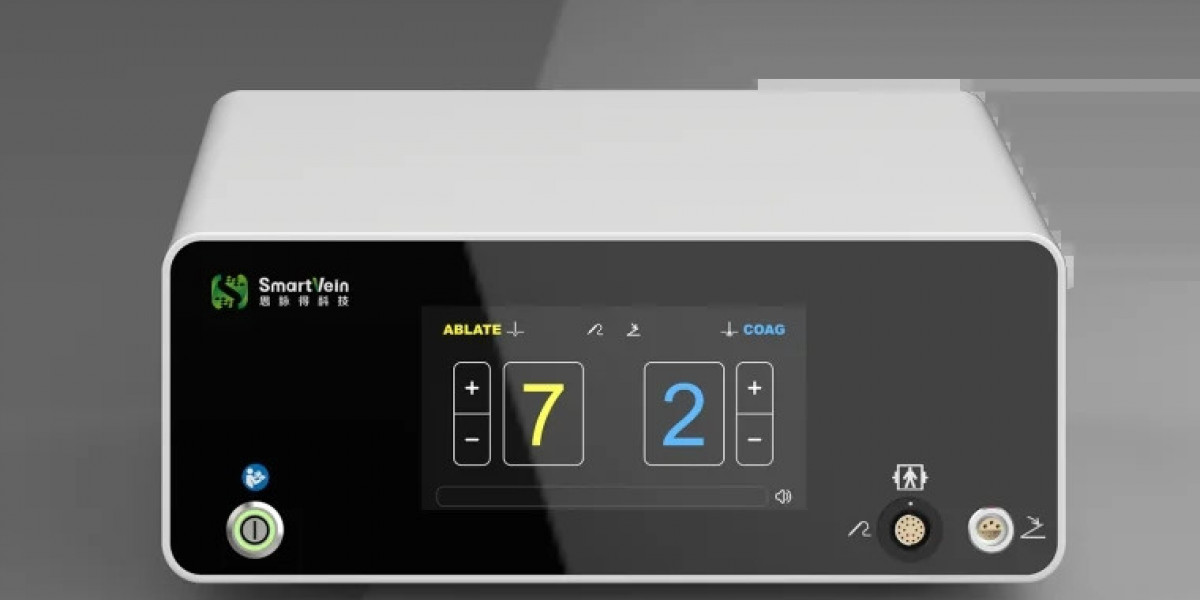

The Illumination Mirror Volume Light Effect Tester is a pipeline equipped with a light source. It can enter the human body through natural body orifices or small incisions made during minimally invasive surgeries, thereby assisting doctors in disease diagnosis or facilitating surgical operations. Currently, the Illumination Mirror Volume Light Effect Tester system is mainly composed of an endoscope body, an image processing center, and a monitor. It is a sophisticated testing instrument that integrates knowledge from multiple disciplines such as traditional optics, modern electronics, software algorithms, ergonomics, and precision mechanics. In the era of minimally invasive diagnosis and treatment, endoscopes are one of the most important development directions. From the perspectives of technological development, clinical needs, and policy guidance, they are worthy of continuous market attention.
Image sensor
The image sensor, as one of the key components of the camera system, can be classified into two types: photoconductive image tubes and solid-state image sensors. And the solid-state image sensors are further divided into charge-coupled device image sensors (CCD) and complementary metal oxide semiconductor image sensors (CMOS). Both of these image sensors achieve their functions by converting light signals into electrical signals through their working principles.
In electronic endoscopes, the image sensor is located at the front end of the camera system; while in rigid tube endoscopes and optical fiber endoscopes, the image sensor is located at the rear handle. The main differences between them are as follows:
The two have their own advantages and disadvantages in terms of performance characteristics and costs, and together they provide support for the image acquisition of endoscopes.
Optical imaging system
The optical imaging system is a common component of the three major types of endoscopes and is an indispensable part of fluorescence electronic endoscopes. It consists of a group of lenses, and the lens materials are usually glass or artificial resin. The optical imaging system is responsible for presenting the captured images on CMOS or CCD.
Image source of the electronic mirror structure: Internet
The main parameters of the optical imaging system include the field of view angle, field of view, aperture, resolution and depth of field, etc.
The field of view refers to the angle formed by the incident light of an object's image when it first passes through the objective lens glass and then conducts in parallel. This is the angle between the incident light entering the objective lens and the horizontal line, which is called the viewing direction (DOV). The viewing angles of endoscopes generally include 0°, 12°, 30°, 70°, and 90°, etc.
The front ends of both medical electronic endoscopes and optical fiber endoscopes can be bent. However, optical fiber endoscopes have less toughness compared to cables made of metal due to the fragility of the optical fibers. The maximum bending angle of a medical electronic endoscope is 270°. When the field of view angle of the optical system is 90°, it can ensure no blind spots during observation.
Field of View (FOV)
It refers to the area that the objective lens can observe, which is called the field of view. The field of view of an endoscope is generally divided into wide-angle and standard angles. Different field of view ranges are suitable for different examination scenarios, providing doctors with a more comprehensive observation perspective.
Image source: Weilix Official Account
Aperture of the light port
The size of the aperture has a significant impact on the depth of field and light-gathering ability of the optical imaging system. The larger the aperture, the stronger the light-gathering ability of the optical imaging system, the brighter and clearer the image, and the lower the required illumination intensity of the light source. However, as the aperture size increases, the depth of field of the system will decrease.
Resolution of the optical imaging system
The resolution of an optical imaging system refers to the minimum distance at which the "object" can be transformed into an "image" such that the details of the image can be distinguished. If two image points are separated by a distance greater than this, they can be recognized as two separate points, while if they are separated by a distance less than this, they will be recognized as one point after passing through the optical system. The optical resolution of an image sensor is expressed in the number of black and white line pairs that can be distinguished per millimeter, that is, the number of pixel pairs in the width of each millimeter. It should be noted that the image resolution we commonly understand is the number of pixels used to display the image at a certain unit distance.
Resolution board type A
For instance, the micro image sensors used in smartphone cameras have as many as 20 million or even 40 million pixels. However, from the perspective of shooting quality, photography enthusiasts still often use single-lens reflex cameras rather than smartphones for shooting. The main reason for this is that the lens module of the optical imaging system matched with the smartphone camera cannot achieve the optical resolution of the corresponding image sensor. Therefore, the key factor determining the resolution of the entire camera is the optical imaging system.
From "imaging" to "distortion" Image source: Internet. For educational purposes only.
Depth of Field
The depth of the image of the scenery refers to the distance that the optical system can clearly observe from near to far. Within this distance, the objects in the scene, whether moving closer to the lens or moving further away, can form clear images. Reasonable setting of the depth of field enables doctors to better observe the lesion areas at different distances during the examination, thereby improving the accuracy of diagnosis.
Illumination mirror volume light effect tester https://www.smartveingroups.net/Illumination-mirror-volume-light-effect-tester.html