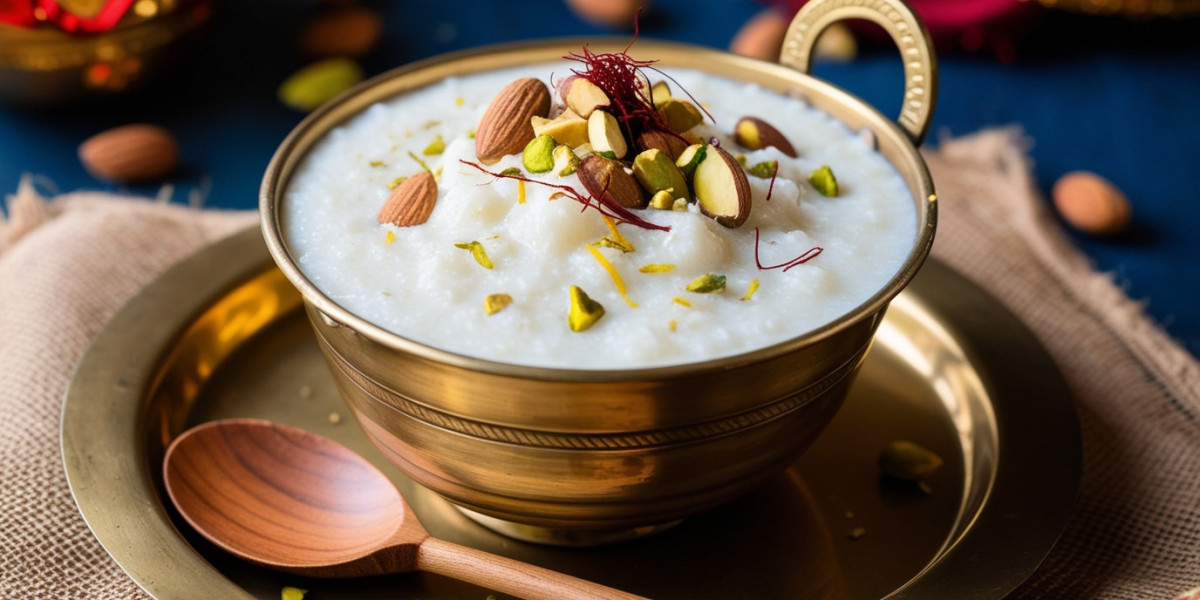

There’s something incredibly comforting about a bowl of homemade kheer. Rich, creamy, and delicately flavored, this traditional Indian sweet has been loved for generations. Whether served warm on a cozy evening or chilled on a festive day, kheer never fails to bring smiles to the table.
If you’re searching for the perfect kheer recipe that delivers authentic taste and silky texture, you’re about to discover one that’s simple, satisfying, and absolutely unforgettable. This classic rice pudding is more than just a dessert — it’s a celebration in every spoonful.

What Makes Kheer So Special
Kheer is often compared to rice pudding, but it carries a unique character that sets it apart. While many cultures prepare rice-based desserts, Indian kheer stands out because of its slow-cooked richness, fragrant spices, and beautiful garnishes.
The heart of a traditional kheer recipe lies in simmering milk and rice together until they naturally thicken. No shortcuts. No complicated ingredients. Just patience and love.
Cardamom adds aroma, saffron gives a royal touch, and nuts provide texture. The result is a creamy, luxurious dessert that feels both simple and indulgent.
A delicious bucket of kheer at a gathering instantly becomes the highlight of the meal.
Ingredients for a Classic Kheer Recipe
One of the best things about kheer is how accessible the ingredients are. You likely already have most of them in your kitchen.
You will need:
Basmati rice or short-grain rice
Full-fat milk
Sugar
Green cardamom pods
Saffron strands (optional but recommended)
Chopped almonds and pistachios
Raisins
A small spoon of ghee (optional)
Full-fat milk is essential for achieving that naturally creamy rice pudding texture. The richness develops as the milk slowly reduces during cooking.
Step-by-Step Method for Creamy Rice Pudding
Making this Indian sweet requires patience, but the process itself is straightforward.
Start by rinsing the rice thoroughly until the water runs clear. This removes excess starch and helps achieve the right texture. Soak the rice for about twenty to thirty minutes for even cooking.
In a heavy-bottomed pan, bring milk to a gentle boil. Once it begins to bubble, reduce the heat to low and add the drained rice. Stir occasionally to prevent sticking at the bottom.
Let the mixture simmer slowly. This is the most important part of the kheer recipe. As the rice cooks, it releases starch, naturally thickening the milk. Continue stirring gently every few minutes.
When the rice becomes soft and the milk reduces significantly, add sugar and mix well. Keep cooking until the desired consistency is reached.
Crush the cardamom seeds and stir them in. If using saffron, soak it in a spoon of warm milk before adding it to the pot for better color and flavor.
Finally, add chopped nuts and raisins. Let everything simmer together for a few more minutes before turning off the heat.
Your creamy rice pudding is ready.
Texture and Consistency Tips
The perfect kheer should be creamy but not overly thick. The rice must be soft without turning mushy. When you lift a spoon, the pudding should flow gently, not drop in heavy clumps.
Remember that kheer thickens further as it cools. If it becomes too thick, simply add a splash of warm milk and stir well before serving.
For those who love extra-rich desserts, cooking it a little longer gives a thicker consistency that’s perfect for serving in a delicious bucket at family gatherings.
Why Slow Cooking Matters
Many modern recipes suggest shortcuts, but authentic kheer develops its depth of flavor through slow cooking.
Simmering milk gently allows it to reduce naturally, enhancing sweetness and creaminess without additional cream. The rice absorbs the milk gradually, creating a harmonious blend of textures.
This process transforms simple ingredients into a luxurious Indian sweet that tastes far more complex than it actually is.
Serving Ideas for Every Occasion
Kheer is incredibly versatile when it comes to serving.
Serve it warm during winter evenings for a comforting treat. Chill it in the refrigerator for a refreshing summer dessert. Garnish with sliced pistachios, saffron strands, or rose petals for an elegant presentation.
At festivals and celebrations, preparing a delicious bucket of kheer ensures everyone gets a generous portion. It’s perfect for:
Family dinners
Religious ceremonies
Birthday celebrations
Holiday feasts
Special gatherings
You can even serve it alongside puri for a traditional combination loved in many Indian households.
Popular Variations of Kheer
Once you master this classic kheer recipe, you can experiment with exciting variations.
Vermicelli kheer replaces rice with roasted vermicelli strands. Sabudana kheer uses tapioca pearls for a different texture. Carrot kheer adds natural sweetness and vibrant color.
For a modern twist, you can infuse flavors like mango puree, rose water, or even a hint of coconut. Some people add condensed milk for extra richness, though traditionalists prefer slow reduction for authentic taste.
Regardless of the variation, the comforting essence of rice pudding remains intact.
Nutritional Benefits of This Indian Sweet
While kheer is a dessert, it also offers some nutritional value. Milk provides calcium and protein. Nuts contribute healthy fats and essential nutrients. Rice supplies energy-boosting carbohydrates.
You can make lighter adjustments if desired. Reduce sugar for a milder sweetness or substitute with natural alternatives. Using smaller portions allows you to enjoy this creamy treat without overindulgence.
Balance is key.
Cultural Importance of Kheer
Kheer is deeply rooted in Indian traditions. It is often prepared during festivals like Diwali, Eid, and weddings. In many households, it is offered during prayers as a sacred dish symbolizing prosperity and purity.
Across different regions, kheer may have different names and slight variations in preparation, but its significance remains universal.
Sharing a delicious bucket of kheer often marks moments of joy and togetherness. It’s not just food — it’s emotion, culture, and celebration served in a bowl.
Common Mistakes to Avoid
Even though this kheer recipe is simple, a few mistakes can affect the final result.
Avoid cooking on high heat after adding rice, as it may cause burning. Always use a heavy pan to prevent sticking. Stir regularly but gently. Adding sugar too early can sometimes slow down the softening of rice, so wait until the rice is mostly cooked.
Taking care of these small details ensures a smooth, creamy rice pudding every time.
Why You’ll Fall in Love with This Recipe
There’s a reason kheer remains one of the most cherished Indian desserts. It’s easy to prepare, requires minimal ingredients, and delivers maximum satisfaction.
The aroma of cardamom filling your kitchen, the golden hue from saffron, and the creamy texture all combine to create a sensory experience that’s hard to resist.
Whether you’re making it for the first time or revisiting childhood memories, this kheer recipe promises comfort and delight in every bite.
Final Thoughts
A bowl of kheer is more than just rice pudding. It’s a timeless Indian sweet that connects generations through flavor and tradition. From everyday meals to grand celebrations, it fits beautifully into any occasion.
Prepare a delicious bucket of this creamy dessert, share it with loved ones, and watch how quickly it disappears. Once you try this classic kheer recipe, it will surely become a favorite in your kitchen — a sweet tradition you’ll return to again and again.