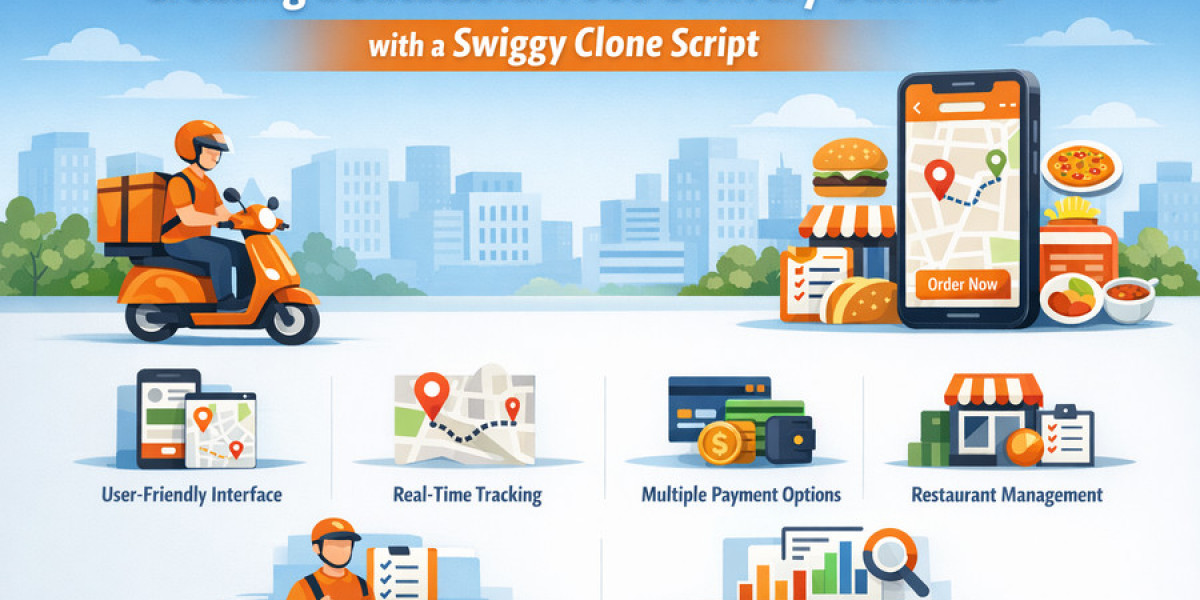

In recent years, the food delivery industry has experienced exponential growth, driven by the increasing demand for convenience and the rise of on-demand services. Entrepreneurs looking to capitalize on this trend often turn to Swiggy, a market leader in the food delivery space, for inspiration. By leveraging a Swiggy clone script, aspiring business owners can quickly establish their own food delivery platforms with a range of essential features and functionalities. This article will explore the key elements of building a successful food delivery business using a Swiggy clone script, from understanding market dynamics to implementing effective marketing strategies and ensuring customer satisfaction.
Understanding the Food Delivery Market Landscape
Current Trends in Food Delivery
The food delivery sector is simmering with innovation. With busy lifestyles and an insatiable craving for convenience, more people than ever are opting for food delivery services. Healthy meal options, ghost kitchens, and subscription models are all the rage. Also, let’s not ignore the growing demand for contactless deliveries—because who wants to make awkward small talk with their delivery person while trying to grab their fried chicken?
Competitive Analysis: Key Players in the Market
The food delivery arena is like a reality show where everyone is vying for the coveted rose. Key players like Swiggy, Zomato, Uber Eats, and DoorDash dominate the market, each with their unique selling points. Swiggy’s extensive network, Zomato’s food discovery features, and Uber Eats’ seamless app experience keep them in the game. If you want to create a successful business, you’ll need to know what makes these giants tick—even if it means some serious late-night scrolling through their app reviews.
Target Audience and Customer Preferences
Understanding your target audience is crucial—after all, it’s them who’ll be devouring those delectable dishes! Millennials and Gen Z are leading the charge, with a preference for convenience, variety, and speed. Health-conscious choices are also on the rise, with many customers seeking out nutritious options. But let’s be real, at the end of the day, it’s hard to say no to a cheesy pizza when it’s knocking at your door.
Key Features of a Swiggy Clone Script
User-Friendly Interface
A Swiggy clone script needs to be smooth like butter. The user interface should be intuitive and easy to navigate, so users can browse menus and place orders faster than a chef can flip a pancake. Think bright colors, clear images, and maybe a cute food mascot to keep users engaged.
Real-Time Order Tracking
Nothing builds anticipation like knowing exactly when your food will arrive. Integrated real-time order tracking allows customers to monitor their meal’s journey from the kitchen to their doorstep. It's like a mini virtual race—will the delivery person or your stomach win?
Multiple Payment Options
Flexibility is key. Ensure your clone script supports various payment methods—from credit cards to digital wallets and even cash on delivery. Because, let’s face it, sometimes we just don’t want to share our card details with the internet, especially when ordering that "guilty pleasure" late-night taco.
Admin Dashboard Features
Behind every successful delivery app is a powerful admin dashboard, like the control center of a spaceship. Key features should include order management, analytics tracking, and customer feedback tools. This is where the magic happens, so make sure it’s both functional and easy to operate!
Steps to Customize Your Swiggy Clone Script
Choosing the Right Development Team
Find a development team that gets your vision as well as you get your cravings for dessert. Look for experience, creativity, and a sprinkle of tech wizardry. After all, you want your app to shine brighter than a slice of cheesecake at a diner.
Branding and Design Customization
This is where you get to express your brand’s personality! Think of creative logos, catchy taglines, and color schemes that match your vibe. You want your app to feel like a comfy restaurant you’d want to visit repeatedly, not a stuffy four-star establishment where you have to wear a tie.
Integrating Local Preferences and Cuisines
Knowing what your customers crave is half the battle won. Integrate local preferences—whether that’s spicy street food or gourmet vegan offerings. If your app can cater to the local palate better than your competitors, you’re golden!
Essential Technology Stack for Your Delivery Business
Frontend Technologies
For fabulous user experiences, consider frontend technologies like React or Angular. These nifty frameworks make your app responsive and engaging, ensuring users don't just swipe and ditch after one click.
Backend Technologies
On the backend, think Node.js or Django. These technologies help manage complex tasks seamlessly, like processing orders and handling user authentication—because no one wants to deal with server meltdowns when hunger strikes!
Database Management Systems
Proper data management is like storing leftovers—the right system keeps everything fresh and accessible! Options like MySQL or MongoDB offer solid performance and scalability, ensuring your food delivery business can grow its customer base without a hitch.
Cloud Infrastructure and Hosting
Don’t forget your cloud infrastructure! Providers like AWS or Google Cloud offer reliable hosting solutions for your app. These platforms ensure your business operates smoothly, even when a horde of hungry customers is trying to order at once. Because nothing says “I’m successful” like having food delivered to your customers without a hitch!
Setting Up Partnerships with Restaurants and Delivery Personnel
Identifying Potential Restaurant Partners
Finding the right restaurant partners is like dating—swipe left on the bad ones and swipe right on those that excite your taste buds! Look for local eateries that offer unique dishes and have a solid reputation. Consider factors like menu variety, quality, and customer reviews. A good mix of cuisines can attract a broader customer base, so don't be afraid to think outside the pizza box.
Negotiating Terms and Agreements
Once you've identified your culinary soulmates, it’s time to negotiate. Set clear terms that benefit both parties: commission rates, delivery zones, and order minimums. Remember, a successful partnership is built on transparency and trust—so bring that warm, fuzzy vibe to the table (or, ya know, Zoom). Get everything in writing, because verbal agreements are about as reliable as a paper umbrella in a rainstorm.
Recruiting and Training Delivery Staff
Your delivery personnel are the superheroes of your food delivery business, zipping around town to deliver deliciousness. Look for individuals who are reliable, friendly, and can handle the pressure of the lunchtime rush. A rigorous training program is essential—teach them about safe food handling, customer service, and navigating the city. Bonus points if they can juggle while biking!
Marketing Strategies to Launch Your Food Delivery Service
Building a Strong Brand Identity
Your brand is your food delivery business's personality—make it memorable! Choose a catchy name, create a vibrant logo, and design a user-friendly app or website. Your mission? To make customers feel like they’ve just ordered from the coolest spot in town. And remember, consistency is key; your brand should shine through in every email, social media post, and delivery bag.
Online Marketing Techniques
Go digital or go home! Invest in a robust online marketing strategy that includes SEO, pay-per-click advertising, and a killer website. Use enticing food photography to make customers drool—seriously, it’s a thing. And don’t forget about email marketing; offer exclusive promotions to subscribers to keep them coming back for more (because who can resist a discount?).
Utilizing Social Media for Engagement
Social media is your stage—make it an entertaining show! Use platforms like Instagram and Facebook to showcase mouthwatering dishes, run contests, and share behind-the-scenes content. Engage with your audience by responding to comments, hosting Q&As, and sharing user-generated content. Remember, the more you connect with your customers, the more likely they are to double-tap (and order!).
Ensuring Customer Satisfaction and Retention
Implementing Feedback Mechanisms
Feedback is the breakfast of champions—and it’s crucial for your business. Set up simple ways for customers to share their thoughts, whether through app ratings, surveys, or social media. Act on this feedback; it can provide valuable insights into what’s working and what’s not. Plus, customers love knowing their opinions matter (and it’ll keep them eating your food).
Personalizing Customer Experience
Customers appreciate a personal touch, so get to know your audience! Use data to tailor their experience—suggest dishes based on past orders or create targeted promotions. Consider implementing features like favorite orders or saved addresses. Making customers feel valued will turn them into loyal fans faster than you can say “extra cheese!”
Promotions and Loyalty Programs
Who doesn’t love a good deal? Roll out promotions like first-order discounts or referral bonuses to entice new customers. A loyalty program can reward repeat business—think punch cards, points systems, or exclusive access to new dishes. Keep customers coming back by making them feel like they’re part of an exclusive club—who says loyalty can’t be fun?
Analyzing and Scaling Your Food Delivery Business
Key Performance Indicators (KPIs) to Track
To grow, you need to know where you stand! Track KPIs like order volume, customer retention rates, and delivery times. These metrics will give you a clearer picture of your business's health. Identify trends and adjust your strategies to ensure you’re not just running in circles like a chicken with its head cut off.
Adapting to Market Changes
The market is like that unpredictable friend who’s always changing plans—stay on your toes! Keep an eye on consumer trends, new competitors, and shifts in dining preferences. Be ready to pivot your menu, offerings, or marketing strategies. Flexibility is key; the more adaptable you are, the more likely you are to ride the waves rather than get wiped out.
Exploring Expansion Opportunities
Once you've mastered your initial market, it’s time to think bigger! Consider expanding your delivery zones or adding more restaurants to your roster. Explore collaborations with local businesses, such as promo events with gyms or festivals. Just remember: growth should be sustainable. No one wants to be the food delivery business equivalent of a shooting star—bright and flashy, but gone too soon!In conclusion, launching a food delivery business using a Swiggy clone script presents a promising opportunity for entrepreneurs to tap into a thriving market. By carefully customizing your platform, establishing strong partnerships, and implementing effective marketing strategies, you can create a service that meets the needs of your target customers. As you navigate the challenges of the industry, staying focused on customer satisfaction and adapting to market trends will be essential for long-term success. With the right approach and determination, your food delivery business can flourish in this competitive landscape.
Frequently Asked Questions (FAQs)
1. What is a Swiggy clone script?
A Swiggy clone script is a pre-built software solution that replicates the core features and functionalities of the Swiggy food delivery platform, allowing entrepreneurs to launch their own food delivery business quickly and efficiently.
2. How can I customize my Swiggy clone script?
Customization can be achieved by working with a development team to modify the user interface, add or remove features, integrate local cuisines, and align the branding with your business vision.
3. What are the essential features I should include in my food delivery app?
Key features to include are a user-friendly interface, real-time order tracking, multiple payment options, an efficient admin dashboard, and customer feedback mechanisms.
4. How can I effectively market my food delivery service?
Effective marketing strategies include building a strong brand identity, utilizing social media for engagement, implementing online marketing techniques, and offering promotions or loyalty programs to attract and retain customers.