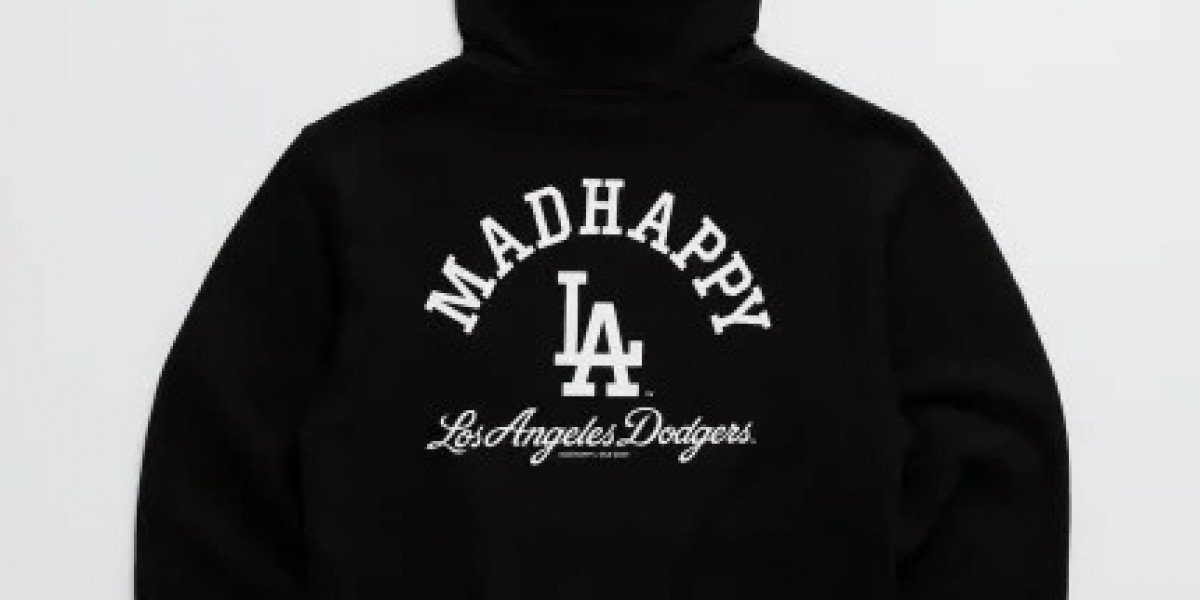

The Birth of a Brand Rooted in Emotion
Mad Happy is more than a clothing label; it is a cultural statement that blends emotional awareness with contemporary fashion. Born from the idea that happiness is not always perfect or constant, the brand embraces the full spectrum of human emotions. Instead of presenting joy as a flawless state, Mad Happy explores the complexity behind it — the ups, the downs, and the in-between moments that define real life. This emotional honesty is what differentiates the brand from countless others in the crowded streetwear market. It was created with a vision to spark conversations around mental well-being while still delivering stylish apparel that resonates with youth culture. The founders understood that clothing could be more than fabric stitched together; it could be a medium of expression, a conversation starter, and even a silent supporter for those who struggle internally. By positioning itself at the crossroads of fashion and emotional transparency, Mad Happy quickly became a symbol of authenticity rather than just a trend.
The Philosophy Behind the Name
The name “Mad Happy” itself captures a paradox that feels surprisingly relatable. It acknowledges that happiness is rarely simple; it often coexists with stress, anxiety, or confusion. Instead of promoting unrealistic positivity, the brand highlights the coexistence of contrasting feelings — a reminder that being human is layered and imperfect. This philosophy resonates deeply with a generation that values vulnerability and honesty over polished perfection. The duality in the name serves as a powerful reflection of modern life, where social media often showcases filtered joy while real emotions remain hidden. Mad Happy challenges that norm by encouraging people to accept emotional diversity rather than suppress it. In doing so, the brand transforms clothing into a tool for emotional storytelling. Wearing Mad Happy apparel becomes a subtle declaration that it is okay not to feel okay all the time, and that self-acceptance is an ongoing journey rather than a final destination.
Streetwear Meets Purpose
In the world of fashion, trends often change overnight, but purpose gives a brand longevity. Mad Happy successfully merges stylish streetwear aesthetics with meaningful intention. Oversized hoodies, relaxed sweatpants, clean typography, and vibrant color palettes are not just design choices; they are visual extensions of the brand’s optimistic narrative. The garments carry messages that inspire reflection and positivity without appearing forced or overly commercial. This balance between design and meaning is rare, and it is precisely what has earned Mad Happy a loyal following. People are not merely buying clothes; they are investing in a philosophy that aligns with their personal values. The brand’s collections often feel like chapters of an evolving story rather than isolated product releases. Each drop introduces new visual themes while staying true to the core message of mental well-being and optimism. This continuity creates a sense of trust and emotional connection between the brand and its audience.
Mental Health Awareness as a Core Identity
One of the most distinguishing elements of Mad Happy is its open support for mental health awareness. Unlike many brands that use social causes as temporary marketing strategies, Mad Happy integrates mental well-being into its foundation. Through campaigns, community events, and thoughtful messaging, the brand consistently promotes conversations around emotional health. This commitment gives the brand a sense of authenticity that customers can genuinely feel. The clothing becomes symbolic — not just fashionable attire, but wearable encouragement. By normalizing discussions about mental health, Mad Happy contributes to breaking stigmas that often prevent people from seeking help or expressing vulnerability. The brand’s influence extends beyond wardrobes into social awareness, proving that fashion can play a meaningful role in cultural change. This deeper mission transforms the consumer experience into something more impactful than a simple purchase; it becomes participation in a broader dialogue about human well-being.
Design Language and Visual Identity
Mad Happiness visual identity is both minimalistic and expressive, a combination that makes it instantly recognizable. The typography is clean yet bold, often placed strategically to draw attention without overwhelming the design. Colors range from soft pastels to energetic hues, reflecting emotional diversity and optimism. The garments themselves are crafted with comfort in mind, reinforcing the brand’s message of self-care and ease. This thoughtful approach to design ensures that every piece feels intentional rather than random. Even subtle details — stitching, fabric texture, and placement of graphics — contribute to the overall storytelling. The aesthetic speaks to individuals who appreciate understated luxury and meaningful symbolism. Instead of chasing flashy trends, Mad Happy builds timeless appeal through simplicity and authenticity. This careful design language allows the brand to maintain relevance while avoiding the pitfalls of fast fashion cycles.
Community and Cultural Influence
Mad Happy’s success is not solely due to its clothing; it is equally driven by the community it has cultivated. The brand encourages inclusivity, dialogue, and shared experiences, turning customers into participants rather than spectators. Pop-up events, collaborative projects, and social initiatives create spaces where people can connect over shared values. This sense of belonging strengthens brand loyalty and transforms fashion into a social experience. Mad Happy’s cultural influence extends into music, art, and digital spaces, where its message resonates with creatives and influencers alike. By aligning itself with cultural movements that emphasize authenticity and emotional expression, the brand maintains a strong presence beyond retail shelves. Its impact is visible not only in wardrobes but also in conversations about identity, self-care, and collective optimism.
The Emotional Connection with Consumers
What truly sets Mad Happy apart is the emotional connection it fosters with its audience. Many fashion brands rely on exclusivity or status appeal, but Mad Happy thrives on relatability. The brand speaks to individuals who seek comfort, understanding, and positivity in their everyday lives. This emotional resonance transforms customers into advocates who wear the brand with pride and personal meaning. The clothing often becomes intertwined with memories, moods, and milestones, making it more than just an outfit choice. When people feel seen and understood by a brand, loyalty naturally follows. Mad Happy leverages this psychological connection without exploiting it, maintaining sincerity in its messaging. This genuine bond ensures that the brand’s relevance is sustained through emotional alignment rather than fleeting hype.
Mad Happy
Looking ahead, Madhappy Hoodie appears poised for continued growth because its foundation is built on values rather than trends. As society becomes increasingly aware of mental well-being and emotional authenticity, the brand’s message becomes even more relevant. Its ability to evolve aesthetically while staying true to its core philosophy gives it a competitive advantage in the ever-changing fashion landscape. The future of Mad Happy is likely to include broader collaborations, innovative designs, and expanded community initiatives, all anchored in the same principle of optimism and emotional transparency. The brand’s journey reflects a broader cultural shift toward mindful living and meaningful consumption. In a world saturated with superficial marketing, Mad Happy stands as a reminder that fashion can carry depth, intention, and humanity. It is not just a label sewn onto garments; it is a reflection of modern emotional culture — imperfect, hopeful, and authentically human.