
Introduction
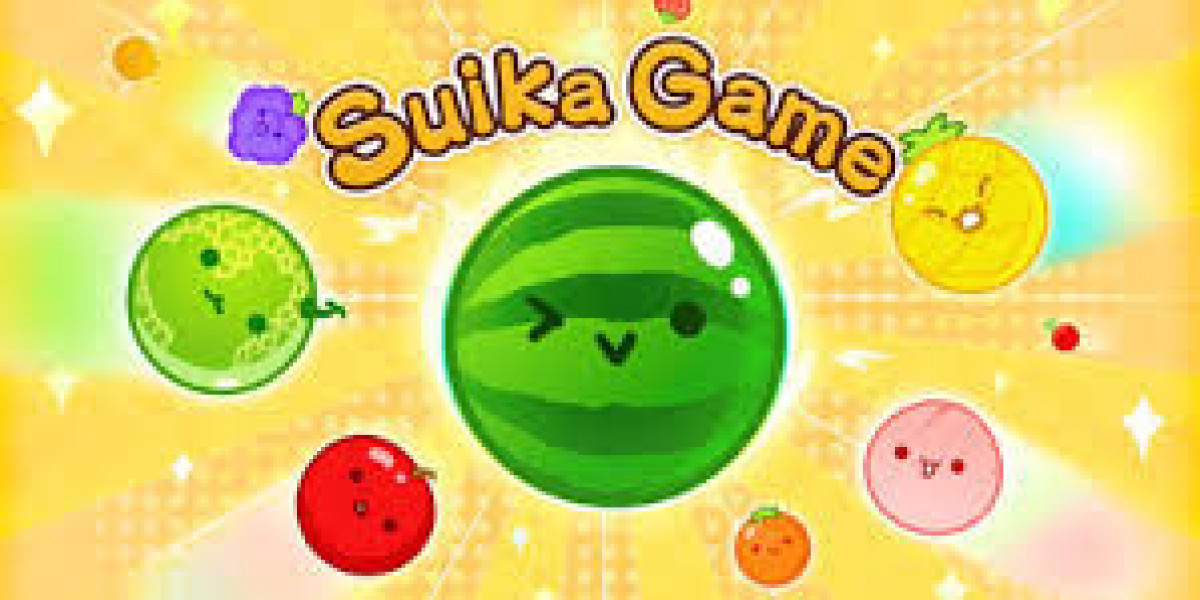
A great example of this genre is Suika Game. It’s a modern take on classic combining puzzles, built around the joy (and mild chaos) of stacking fruit while aiming for the ultimate merge: a watermelon. If you’ve ever wanted a puzzle that’s both calming and just tricky enough to keep you focused, this is a fun place to start.
Gameplay: How the Watermelon Puzzle Works
At the heart of a watermelon merging puzzle is one simple action: you place an item into a limited space and deal with the consequences. In Suika Game, you typically control where a fruit drops from the top of a container. The fruit falls, bounces, and settles based on physics—meaning your neat plan can turn into a wobbly pile in seconds.
Here’s the basic loop most players experience:
- You receive a fruit (usually small at first).
- You choose a drop position along the top.
- The fruit lands and interacts with whatever is already inside.
- Two matching fruits merge on contact and become a larger fruit.
- You keep going until the container overflows or you run out of space to make safe moves.
The charm comes from how quickly the board can change. A perfectly placed fruit might roll into a match you didn’t even plan. Or a tiny bounce can knock your stack off balance and force you to improvise. Because the fruits vary in size and shape, the pile behaves differently each round—so the puzzle stays fresh even when the mechanics remain consistent.
The “watermelon goal” gives the game its identity. Early merges feel quick and frequent, but later merges require more space, more careful placement, and more patience. Your score usually rises as you create larger fruits, which creates a natural tension: do you chase big merges now, or stabilize the pile and wait for a better setup?
Tips: How to Play Smarter (Without Stressing Out)
These games reward planning, but they also reward staying calm when things get messy. A few habits can make your runs smoother and more enjoyable.
1. Build a “home side” for your stack
Instead of dropping fruit randomly, pick a side (left or right) where you’ll build most of your pile. Keeping your main tower in one area makes it easier to predict where new fruit will land and reduces awkward gaps in the middle. It also helps you reserve open space for emergency drops.
2. Avoid tall spires—aim for a stable skyline
A common way to lose is creating one tall, narrow column that topples or blocks future merges. Try to keep the top of your pile relatively even, like a gentle hill rather than a spike. A flatter surface gives you more safe drop options.
3. Use small fruits to “patch holes”
Gaps are dangerous because they make the next fruit roll unpredictably and can prevent matches from touching cleanly. When you get smaller fruits, consider using them as fillers to level areas before they become a problem. Not every drop needs to create an immediate merge.
4. Plan two moves ahead when possible
Because you know what fruit you’re currently holding, you can often prepare a landing zone for it. Think in pairs: “Where can I place this fruit so that the next fruit has a good option too?” This mindset helps you avoid cornering yourself.
5. Be careful with the center
The middle of the container is tempting, but it can also become a traffic zone where fruits bounce into everything. If your pile is already chaotic, dropping into the center can trigger chain reactions that you can’t control. Many players do better by developing from the edges inward, using the walls to reduce rolling.
6. Don’t force late-game merges
When the fruits get large, each drop carries more risk. It’s often safer to pause your “big merge dream” and focus on stability: flatten the top, separate mismatched large fruits so they don’t trap space, and wait for a drop that naturally supports your plan.
7. Let physics work for you, not against you
Sometimes the best play is a gentle placement that minimizes bouncing. Dropping from too high over a cluttered area can create unexpected ricochets. If you can place a fruit so it lands with minimal movement—great. Less motion usually means fewer surprises.
8. Treat failed runs as learning, not loss
Because the game depends on physical interactions, mistakes are part of the fun. When a run ends, it often ends with a clear lesson: “I stacked too tall,” “I ignored that gap,” or “I panicked and dropped in the middle.” That feedback loop is what makes the puzzle satisfying over time.
Conclusion
Watermelon merging puzzles like Suika Game feel light and friendly on the surface, but they offer a surprisingly deep mix of strategy, physics, and improvisation. The best moments come from balancing order and chaos: setting up clean merges while staying flexible when the pile shifts.
If you’re in the mood for a puzzle that’s easy to start, fun to watch unfold, and rewarding to gradually improve at, spending some time with Suika Game is a pleasant way to experience the genre. Take it slow, enjoy the tiny victories, and don’t be surprised if “just one more round” turns into several.