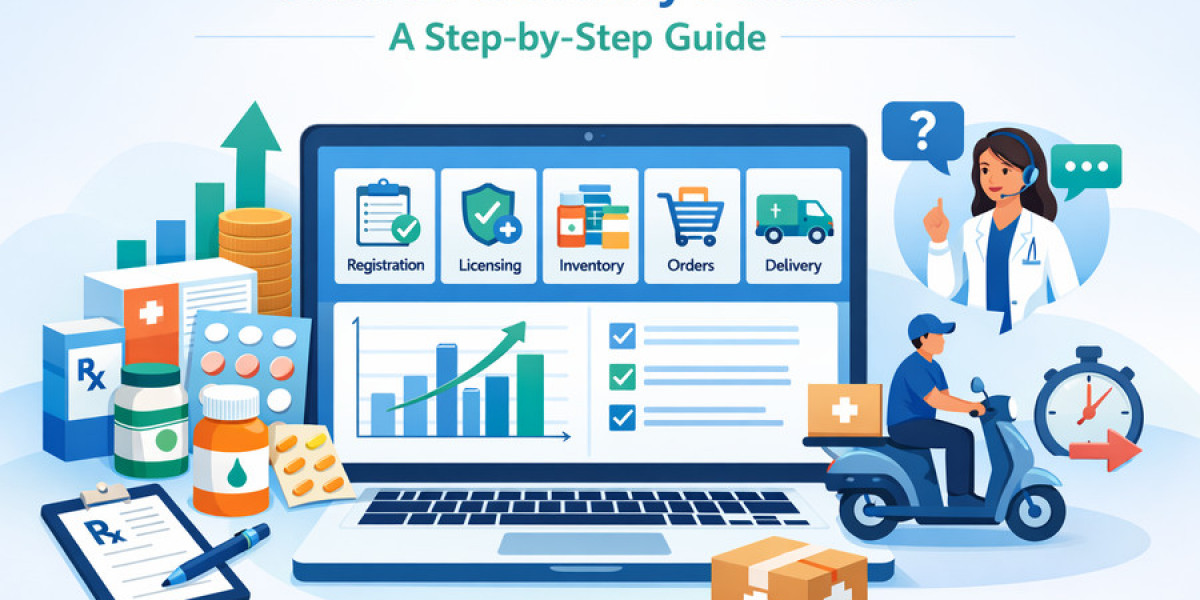

Starting an online pharmacy business can be a rewarding venture, providing essential medications and health products to customers while leveraging the convenience of e-commerce. However, the path to establishing a successful online pharmacy involves navigating a complex landscape of legal regulations, ensuring compliance, and implementing effective marketing strategies. This step-by-step guide will equip you with the knowledge and tools necessary to launch your online pharmacy, covering everything from understanding the industry and meeting legal requirements to selecting the right technology and building customer trust. Whether you're an aspiring entrepreneur or an existing pharmacy looking to expand into the digital realm, this guide will help you take the first steps towards a thriving online business.
Understanding the Online Pharmacy Landscape
Market Trends and Opportunities
The online pharmacy market is booming faster than you can say "prescription refill." With an increasing demand for convenience, many consumers are turning to the internet for their pharmaceutical needs. Telehealth services and a growing focus on self-care have further fueled this trend, opening doors for new entrants. Opportunities abound, from personalized medication delivery to health-focused ecommerce platforms. Just picture it: patients getting their meds in the mail—who wouldn’t want that? It’s your chance to ride the wave!
Key Competitors and Differentiation
In the vast ocean of online pharmacies, your competitors can seem as plentiful as jellyfish. Giants like CVS and Walgreens have made their digital mark, while smaller niche players are also carving out their own corners. To stand out, you’ll need to find your unique selling proposition (USP). Whether it’s exceptional customer service, exclusive partnerships with local pharmacists, or specialized medication for chronic conditions, make sure you’re not swimming with the school. Be the shark!
Legal Requirements and Regulations
Licensing and Accreditation
Before you start selling those meds, make sure you’ve got your legal ducks in a row. Each state has its own licensing requirements, and getting accredited can be a bit like running an obstacle course—just way less fun. Depending on your location, you may need to obtain a pharmacy license and adhere to specific regulations. Don’t skip this step unless you’re fond of hefty fines or worse!
Compliance with Federal and State Laws
Navigating the legal landscape may feel like a game of dodgeball, but fear not! Understanding federal and state laws is crucial. The Food and Drug Administration (FDA) sets the rules, but states have their own laws that can vary significantly. Keep tabs on these regulations to avoid any unexpected legal trouble. Think of it as the ultimate game of “stay out of jail” where knowledge is your best defense.
Understanding Prescription Regulations
While we’d all like to live in a world where anyone can get their hands on whatever they want, prescription regulations are in place to protect consumers and keep things safe. You’ll need to familiarize yourself with how to handle, store, and dispense prescriptions legally. Make sure you have a robust system for managing prescriptions and verifying patient identities. After all, you don’t want your pharmacy to turn into a pharmacy-themed episode of "Law & Order."
Developing Your Business Plan
Defining Your Target Audience
To thrive in the online pharmacy game, you need to know who you're selling to. Are they young adults needing birth control? Seniors managing chronic conditions? Or maybe busy parents juggling prescriptions for the whole family? Understanding your target audience not only shapes your marketing efforts but also helps you curate your product offerings. So, get those demographic insights and craft your brand accordingly!
Setting Financial Projections
Money makes the world go ‘round, and it’s crucial for your online pharmacy too! You’ll need to whip up some financial projections that take into account startup costs, operational expenses, and potential revenue. Be realistic, and don’t just dream about being the next pharmacy tycoon. Think about costs like inventory, shipping, and marketing, and forecast sales like you’re auditioning for a fortune-telling gig.
Establishing Goals and Milestones
What does success look like for your online pharmacy? Setting clear, achievable goals is essential to keep you motivated and on track. Break these down into milestones, whether it’s launching your website, hitting certain sales targets, or expanding your product range. Keep your eye on the prize, and celebrate those little victories along the way—after all, even a small win deserves a relatable meme or two!
Establishing Supplier and Inventory Management
Selecting Reliable Suppliers
To kick off your online pharmacy, you need suppliers you can trust—kind of like finding a good dentist, but with fewer drills involved. Look for licensed wholesalers or manufacturers who can provide quality products and are compliant with regulations. Check their reputation, request samples, and ensure they can deliver on time. Remember, your customers’ health depends on the reliability of your suppliers!
Inventory Control Techniques
Managing inventory can feel like herding cats, but it doesn’t have to be chaotic. Implement a reliable inventory management system that helps you track products, monitor stock levels, and avoid the dreaded out-of-stock scenario. Techniques like Just-In-Time (JIT) inventory or the ABC method can save costs and optimize storage space. Plus, who doesn’t want to impress their accountant with tidy spreadsheets?
Managing Stock and Fulfillment
Once you’ve got your inventory under control, it’s time to think fulfillment. Develop a streamlined process for order processing, picking, packing, and shipping. Invest in quality packaging (no one likes a crumpled pill bottle!) and consider partnering with logistics companies that specialize in pharmaceuticals. The goal is to get that medication into your customers’ hands smoothly and swiftly—like a well-trained delivery ninja!
Implementing Secure Payment and Shipping Solutions
Choosing Payment Gateways
Selecting a payment gateway isn’t just about finding something that works; it’s about making sure it’s secure and user-friendly—because nobody wants to enter their credit card 17 times only to be told “error.” Look for gateways that offer encryption, fraud detection, and a variety of payment options. Also, consider something with a catchy name; who wouldn’t trust a company called “SuperSafePay”?
Ensuring Data Security and Customer Privacy
In the world of online pharmacies, customer trust is paramount, and that starts with data security. Employ SSL certificates to encrypt data transactions and comply with regulations like HIPAA for patient information. Make privacy a priority, because nothing screams “untrustworthy” like data breaches. Regular audits and updates keep your systems safe—think of it as a health checkup for your online business!
Shipping Options and Logistics
Shipping should be as easy as ordering a pizza (because let’s face it, we all have strong feelings about pizza). Provide multiple shipping options, including express delivery for those needing meds urgently. Consider temperature-control logistics for sensitive medications, and always keep customers updated on their shipment status. After all, no one likes staring at a tracking page, waiting for movement like it’s an episode of a suspenseful thriller.
Marketing and Promoting Your Online Pharmacy
Building a Brand Identity
Your brand identity is your online pharmacy’s personality—make it memorable and relatable! Keep your logo simple, choose a color palette that calms rather than clashes, and develop a tagline that sticks. Think of something witty but informative, like “Pills at Your Doorstep—No Prescription Required (Just Kidding, We Need That).”
Utilizing Digital Marketing Strategies
Digital marketing is your best friend in the online world. Focus on SEO to get your pharmacy noticed on search engines, create informative content that keeps patients engaged, and consider pay-per-click advertising to boost visibility. Email marketing can also be a goldmine—send out newsletters with tips, promotions, and reminders that don’t feel like spam. Remember, people love discounts more than they love flossing!
Engaging with Customers through Social Media
Social media is not just for selfies and cat memes; it’s a powerful tool to connect with your audience. Use platforms like Instagram and Facebook to share health tips, promote products, and engage with customers. Don’t shy away from humor, just keep it appropriate—no one wants a pharmacy making jokes about side effects. Encourage followers to share their experiences and build a community around your brand.
Ensuring Compliance and Customer Trust
Establishing Transparency in Operations
Transparency is the name of the game when it comes to building trust. Clearly communicate your operating procedures, from sourcing to fulfillment and everything in between. Create an easy-to-navigate FAQ section on your website to address common concerns—think of it as your online pharmacy’s version of “Ask a Friend,” minus the awkward silence.
Implementing Customer Support Services
Great customer support is your lifeboat in stormy seas. Offer multiple communication channels—think phone, email, and live chat—so customers can reach you on their terms. Train your support team well; they should be knowledgeable about your products and ready to provide assistance like a lifeguard on a sunny beach.
Encouraging Customer Feedback and Reviews
Customer feedback is like gold: shiny, valuable, and often hard to come by. Encourage satisfied customers to leave reviews, and don’t shy away from addressing negative ones. Responding to feedback shows you care about your customers' experiences. Plus, a good review can be the deciding factor for a potential buyer—kind of like that friend who always has a recommendation for the best taco joint!In conclusion, launching an online pharmacy requires careful planning, adherence to regulations, and a commitment to customer satisfaction. By following the steps outlined in this guide, you can navigate the challenges of the industry and establish a successful online presence. As the demand for convenient healthcare solutions continues to grow, your online pharmacy can play a vital role in meeting the needs of customers while ensuring compliance and trustworthiness. With dedication and the right strategies, you can create a thriving business that positively impacts the health and well-being of your community.
Frequently Asked Questions
1. What legal requirements do I need to fulfill to start an online pharmacy?
To start an online pharmacy, you must obtain the necessary licenses and permits, comply with federal and state regulations, and ensure adherence to prescription requirements. This may include registering with the Drug Enforcement Administration (DEA) and obtaining a state pharmacy license.
2. How can I ensure the security of customer data on my online pharmacy?
To protect customer data, implement secure payment gateways, utilize SSL certificates for encryption, and comply with regulations such as the Health Insurance Portability and Accountability Act (HIPAA). Regular security audits and employee training on data protection are also essential.
3. What marketing strategies are effective for promoting an online pharmacy?
Effective marketing strategies include building a strong brand presence, utilizing search engine optimization (SEO), engaging on social media, running targeted advertising campaigns, and offering promotions or discounts to attract new customers.
4. How do I manage inventory effectively for my online pharmacy?
To manage inventory effectively, establish relationships with reliable suppliers, use inventory management software to track stock levels, implement reorder alerts, and regularly analyze sales data to forecast demand and optimize stock levels.