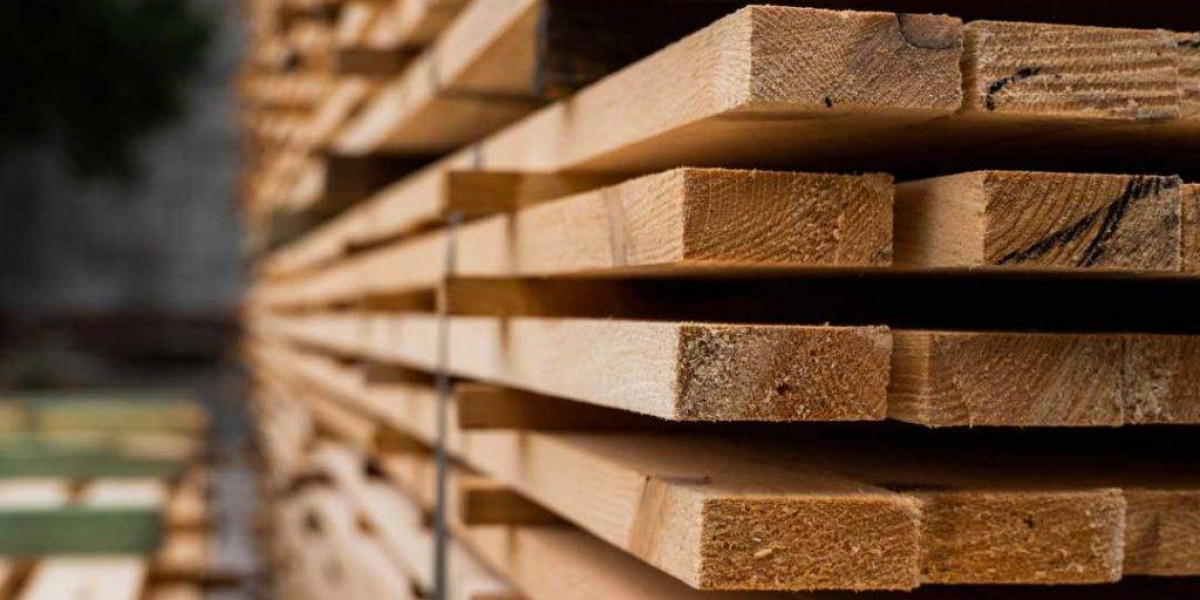

The global demand for natural building materials continues to grow as industries and homeowners seek strength, beauty, and sustainability in their projects. Timber Suppliers play a vital role in meeting this demand by providing carefully sourced hardwood and softwood that support construction, furniture making, and architectural design. From forests to finished boards, their expertise ensures that timber products reach customers with the quality and consistency required for long lasting performance.
At the heart of the timber industry lies a commitment to craftsmanship and responsible sourcing. Reliable suppliers understand that timber is more than a raw material. It is a foundation for homes, commercial spaces, and creative works. By balancing availability with environmental care, suppliers help maintain a steady flow of timber that meets both technical standards and aesthetic expectations.
The Role of Modern Timber Suppliers
Modern timber suppliers operate at the intersection of forestry, logistics, and customer service. They work closely with forest managers to select trees at the right stage of maturity, ensuring strength and durability. Once harvested, timber is processed, graded, and stored under controlled conditions. This attention to detail allows suppliers to deliver wood that performs reliably across different climates and applications.
Hardwood Quality and Performance
Hardwood is valued for its density, resilience, and rich appearance. Species such as oak, maple, and teak are commonly chosen for flooring, furniture, and structural elements that require long term strength. High quality hardwood offers resistance to wear and can be refinished over time, extending its lifespan. Suppliers focus on precise milling and careful seasoning to preserve the natural grain and prevent defects that could affect performance.
Softwood Solutions for Versatile Use
Softwood provides flexibility and efficiency for a wide range of projects. Pine, spruce, and fir are popular choices in construction due to their lighter weight and ease of handling. Softwood is often used for framing, roofing, and interior finishes where adaptability is essential. Through proper treatment and grading, suppliers ensure that softwood meets safety and durability requirements while remaining cost effective.
Sustainable Sourcing and Environmental Care
Sustainability has become a defining principle for responsible timber sourcing. Reputable suppliers follow forestry practices that support regeneration and biodiversity. Certification programs and transparent supply chains help confirm that timber is harvested legally and ethically. By prioritizing sustainability, Timber Suppliers contribute to reducing environmental impact while supporting the long term availability of forest resources.
Quality Control and Processing Standards
Quality control is essential in delivering dependable timber products. From moisture testing to visual grading, each stage of processing is designed to identify and address imperfections. Advanced drying techniques reduce the risk of warping or cracking, ensuring stability in finished products. Consistent standards allow customers to trust that every order meets their specifications.
Supporting Construction and Design Industries
Construction professionals and designers rely on dependable timber supplies to bring their visions to life. Whether building residential homes or crafting bespoke interiors, access to well prepared wood makes a significant difference. Experienced suppliers offer guidance on species selection and applications, helping clients achieve both functional and visual goals.
Conclusion
The value of quality timber extends beyond its physical properties to the expertise behind its supply. By combining careful sourcing, precise processing, and a focus on sustainability, Timber Suppliers ensure that hardwood and softwood continue to serve as trusted materials across industries. Their role remains essential in shaping durable, beautiful, and responsible built environments for the future.