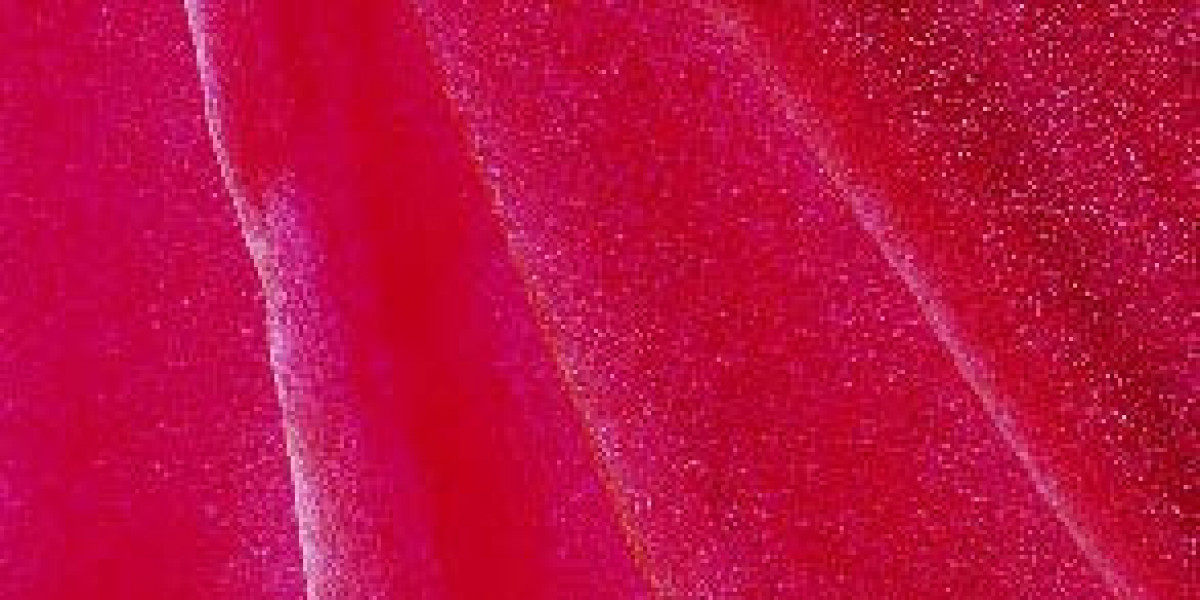

Retail environments today are designed to do more than showcase products. They are meant to create memorable experiences that invite customers to stay longer and connect emotionally with a brand. Display Fabrics play a vital role in shaping this experience by adding texture, depth, and visual warmth to retail spaces. From window displays to interior backdrops, fabric choices influence how shoppers perceive quality, comfort, and style. When used thoughtfully, fabrics transform flat layouts into layered environments that feel engaging and alive.
The Role of Texture in Visual Storytelling
Texture is a powerful storytelling tool in retail design. Smooth, matte, woven, or softly patterned fabrics create visual contrast that draws the eye without overwhelming the merchandise. When customers walk into a store, textured surfaces subconsciously signal richness and care in presentation. Fabrics with subtle tactile qualities invite curiosity, encouraging shoppers to explore displays more closely. This sensory engagement helps brands communicate their identity and values through design rather than words.
Creating Depth Through Layered Displays
Depth is essential for making retail spaces feel dynamic instead of flat. Layering fabrics behind mannequins, shelving, or feature walls introduces dimension that enhances the overall layout. Sheer materials placed over opaque backdrops allow light to pass through while adding softness and movement. Heavier textiles can be used to frame products, creating a sense of structure and focus. This thoughtful layering gives displays a three dimensional quality that elevates the shopping experience.
Enhancing Brand Identity With Fabric Choices
Every fabric communicates a message. Natural textures often reflect sustainability and authenticity, while sleek and refined materials suggest modern luxury. Retailers can reinforce brand identity by selecting fabrics that align with their story and target audience. Color, weave, and finish all contribute to how a brand is perceived. When Display Fabrics are chosen with intention, they become a silent ambassador for the brand, reinforcing recognition and emotional connection throughout the space.
Improving Customer Comfort and Flow
Beyond aesthetics, fabrics also influence how customers feel within a store. Soft textures help absorb sound, reducing noise and creating a calmer atmosphere. This acoustic comfort encourages shoppers to linger and browse at ease. Draped or panelled fabrics can subtly guide movement, defining areas without the need for solid barriers. By shaping flow and comfort, fabric elements support both visual appeal and functional design goals.
Seasonal Flexibility and Visual Refresh
One of the greatest advantages of using fabric in retail displays is flexibility. Fabrics can be updated seasonally to reflect trends, promotions, or new collections without major renovations. Changing textures and colors keeps the environment fresh and relevant, encouraging repeat visits. This adaptability allows retailers to experiment creatively while maintaining consistency in layout and structure.
Designing Memorable Retail Experiences
Retail spaces that leave a lasting impression often balance form and feeling. Texture and depth achieved through thoughtful fabric use help create immersive environments that resonate with customers. By integrating Display Fabrics strategically, retailers can elevate simple displays into engaging visual narratives. The result is a store that not only showcases products effectively but also invites customers into a richer, more meaningful brand experience.