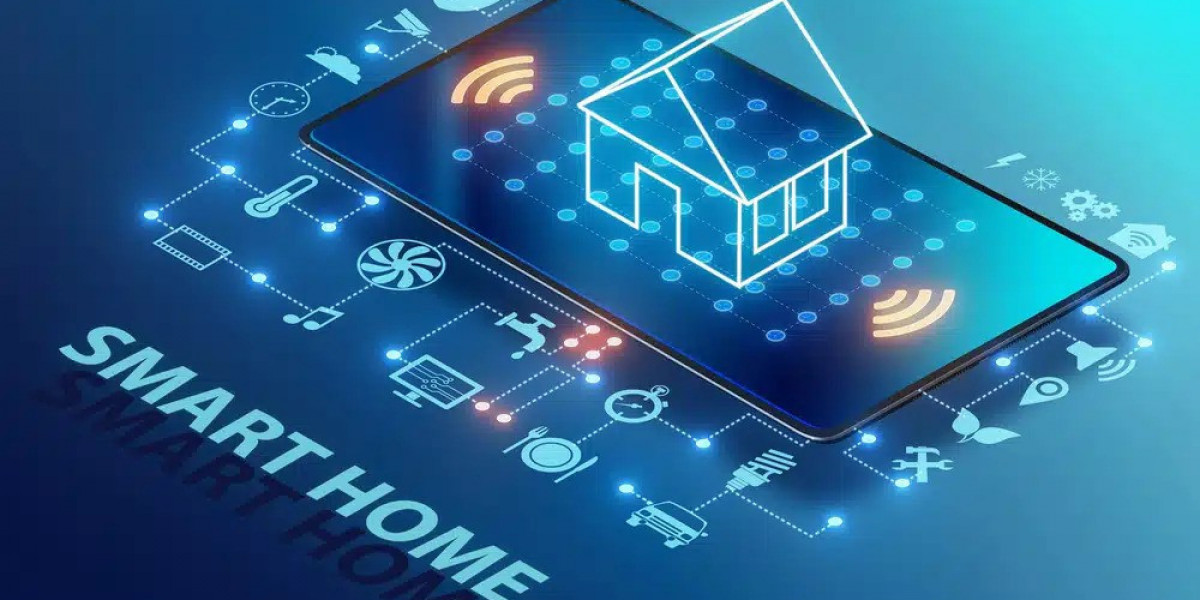

Smart homes are no longer a futuristic idea but a living reality shaped by rapid advances in digital systems. At the heart of this shift is Integration And Control, which allows devices, platforms, and services to work together as a unified environment rather than isolated gadgets. This approach changes how people interact with their homes by making daily routines smoother, more intuitive, and more responsive to personal needs. Instead of managing multiple apps or remotes, homeowners now expect seamless experiences driven by intelligent coordination.
The Evolution of Smart Home Systems
Early smart home solutions focused on single functions such as lighting timers or basic security alarms. Over time, the rise of wireless connectivity and cloud computing expanded what these systems could do. Devices began sharing data and responding to broader conditions like time of day or occupancy. This evolution laid the foundation for deeper system cooperation, where the home acts as an adaptive ecosystem rather than a collection of tools.
Centralized Control Platforms
Modern smart homes increasingly rely on centralized hubs or software platforms that manage multiple devices at once. These platforms act as the brain of the home, translating user commands into coordinated actions. Whether through voice assistants or mobile dashboards, centralized control reduces complexity and improves reliability. It also allows homeowners to customize behaviors that match their lifestyles, from morning routines to energy saving schedules.
Artificial Intelligence and Automation
Artificial intelligence has become a defining force in smart home transformation. Machine learning algorithms analyze user behavior, environmental data, and system performance to make proactive decisions. Lights adjust based on natural daylight, climate systems respond to occupancy patterns, and security features adapt to unusual activity. Integration And Control plays a key role here by ensuring that data flows smoothly between devices so intelligent automation can function accurately.
Interoperability Across Devices
One of the biggest challenges in smart home adoption has been compatibility between products from different brands. New standards and open protocols are addressing this issue by promoting interoperability. When devices communicate using shared frameworks, homeowners gain flexibility and long term value. This shift encourages innovation while reducing the risk of fragmented systems that limit functionality or require constant upgrades.
Security and Privacy Considerations
As homes become more connected, concerns around data protection and system security grow. Integration technologies now incorporate advanced encryption, user authentication, and real time monitoring to safeguard personal information. A well designed control architecture helps minimize vulnerabilities by managing access points and updates from a single source. Trust in these systems is essential for widespread adoption and long term success.
The Role of Energy Management
Smart homes are also transforming how energy is consumed and managed. Integrated systems can balance comfort with efficiency by coordinating appliances, climate control, and renewable energy sources. Homeowners gain insight into usage patterns and receive recommendations for reducing waste. Integration And Control enables these benefits by aligning energy data with automated responses that optimize performance without sacrificing convenience.
Future Outlook for Smart Living
The future of smart homes points toward deeper personalization and greater autonomy. As technologies mature, homes will anticipate needs rather than react to commands. Enhanced integration will support aging populations, remote work, and sustainable living goals. With continued innovation, smart homes will become trusted partners in daily life, reshaping how people experience comfort, safety, and control within their own spaces.