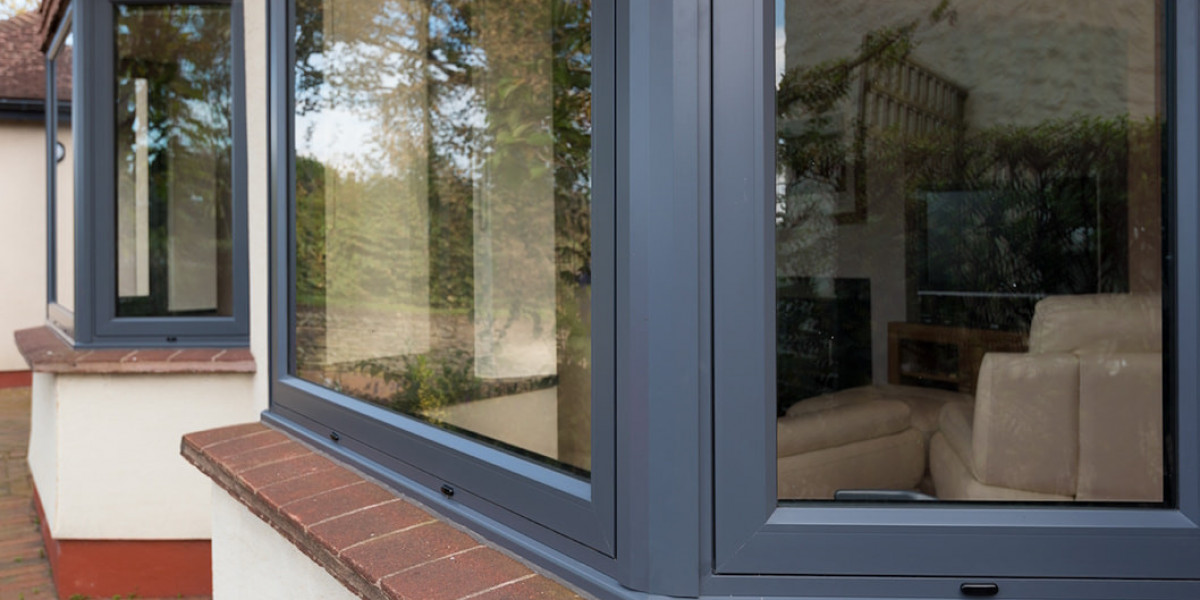

The conversation around home efficiency has grown louder as homeowners look for smarter ways to manage comfort and energy use. One element that deserves attention is the Aluminum Bay Window, a design choice that blends architectural beauty with modern performance. Aluminum frames have evolved far beyond their old reputation, and today they play a meaningful role in improving insulation, controlling heat transfer, and supporting sustainable building goals. Understanding how these frames work can help you decide if they are the right fit for your home.
How Aluminum Frames Support Energy Performance
Aluminum is naturally strong and lightweight, which allows window frames to be slim yet durable. This strength makes it possible to include advanced glazing systems and tight seals that limit unwanted air leakage. When bay windows are properly installed, the frame helps maintain a consistent indoor temperature by reducing drafts and minimizing gaps. Modern aluminum systems are engineered to work as part of a complete window unit, rather than acting as a weak point for heat loss.
The Role of Thermal Break Technology
One of the biggest improvements in aluminum window design is the use of thermal breaks. A thermal break is a non conductive material placed between the interior and exterior parts of the frame. This barrier slows down the transfer of heat, helping keep warm air inside during winter and outside during summer. In aluminum bay window frames, thermal breaks are essential for achieving energy efficiency levels that meet or exceed building standards. Without this feature, aluminum would conduct heat too easily, but with it, the frame becomes far more effective.
Impact on Heating and Cooling Costs
Energy efficient window frames can have a noticeable effect on monthly utility bills. Aluminum bay window systems with proper insulation reduce the workload on heating and cooling equipment. By limiting heat gain in hot weather and heat loss in cold conditions, these frames help maintain indoor comfort with less energy use. Over time, this efficiency can translate into meaningful savings, especially in homes with large window areas or open layouts.
Daylighting and Natural Temperature Control
Bay windows are known for bringing in abundant natural light, which can also influence energy efficiency. Increased daylight reduces the need for artificial lighting during the day. When paired with high performance glass, aluminum frames support passive temperature control by allowing sunlight to warm interiors during cooler months while reflecting excessive heat during warmer periods. This balance contributes to a more stable and pleasant indoor environment throughout the year.
Durability and Long Term Efficiency Benefits
Another often overlooked factor in energy efficiency is durability. Aluminum frames resist warping, swelling, and cracking, even when exposed to moisture or temperature changes. This stability helps the window maintain a tight seal over many years. Unlike some materials that may degrade and allow air leaks over time, aluminum frames continue performing as intended, preserving their energy saving qualities for the long term.
Sustainability and Environmental Considerations
Aluminum is highly recyclable, which adds an environmental advantage to its energy performance. Choosing energy efficient aluminum bay window frames supports sustainable construction by reducing waste and conserving resources. When combined with their ability to lower energy consumption in daily use, these windows contribute to a smaller overall environmental footprint. This makes them an appealing option for homeowners who value both performance and responsible material choices.
Making an Informed Choice
Selecting the right window frame involves more than just appearance. By understanding how aluminum bay window frames manage heat, support insulation, and maintain durability, you can make a decision that benefits comfort, efficiency, and long term value. With modern design innovations, aluminum has proven itself as a strong contender in energy conscious home design.