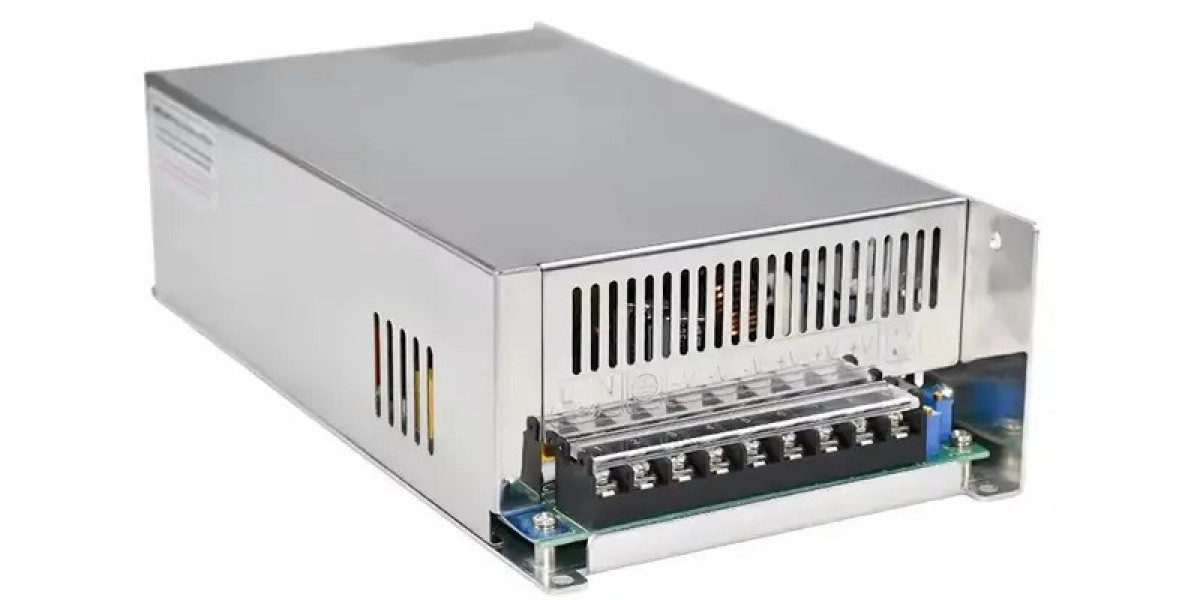

Modern electronic systems depend heavily on how power is delivered, managed, and protected. From data centers to industrial automation and even consumer electronics, efficient power handling is no longer optional. A Smart Power Supply plays a critical role in this shift by combining intelligent monitoring, adaptive control, and optimized energy distribution. Instead of simply converting electricity, it actively improves how systems consume power, reducing waste and increasing overall performance.
Understanding Intelligent Power Management
Traditional power supplies focus on basic voltage conversion and stability. Intelligent power management takes this further by using sensors, digital controllers, and communication interfaces to understand real time system demands. These components allow the power supply to adjust output dynamically based on load conditions. By responding instantly to changes, the system avoids over supplying energy, which directly improves efficiency and reduces unnecessary heat generation.
Reducing Energy Loss Through Dynamic Regulation
One of the biggest contributors to inefficiency in electronic systems is energy loss during conversion and distribution. Smart regulation techniques help minimize these losses by maintaining optimal voltage and current levels at all times. When the load decreases, the power supply scales back its output instead of continuing at full capacity. This dynamic regulation ensures that only the required energy is delivered, lowering power dissipation and improving overall system efficiency.
Thermal Optimization and Component Longevity
Excess heat is a major enemy of electronic components. Intelligent power supplies actively manage thermal conditions by optimizing switching frequencies and load balance. Lower heat output means cooling systems work less, which further reduces energy consumption. Over time, this controlled thermal environment extends component lifespan, minimizes maintenance requirements, and keeps systems running reliably under varying operating conditions.
Real Time Monitoring and Data Driven Decisions
Another advantage lies in real time monitoring. Voltage, current, temperature, and power usage data are continuously tracked and analyzed. This information can be shared with system controllers or network management software. Operators gain clear visibility into power behavior, enabling proactive decisions rather than reactive fixes. Identifying inefficiencies early helps prevent downtime and ensures that systems operate at peak performance levels.
Improved Load Distribution Across Systems
In complex environments where multiple subsystems share power resources, balanced load distribution is essential. Intelligent power supplies can prioritize critical components and allocate energy accordingly. This prevents power bottlenecks and ensures that high demand processes receive stable power without affecting other operations. Efficient load sharing not only improves performance but also stabilizes the entire system under fluctuating demands.
Supporting Energy Saving Standards and Sustainability
Efficiency is no longer just a technical concern, it is also an environmental one. Smart power technologies help systems comply with modern energy efficiency standards by minimizing wasted power. Lower energy consumption translates into reduced operational costs and a smaller carbon footprint. Organizations aiming for sustainable operations benefit significantly from adopting intelligent power solutions across their infrastructure.
Enhancing System Reliability and Performance
Reliable power delivery is essential for consistent system performance. By detecting anomalies such as voltage fluctuations or overload conditions early, a Smart Power Supply can trigger protective actions before damage occurs. This proactive approach reduces failures, maintains uptime, and ensures that systems perform optimally even under challenging conditions. The result is a more resilient and efficient power architecture.
Conclusion
Efficiency in modern electronic systems depends on more than raw power capacity. Intelligent control, adaptability, and insight are now key factors. By reducing energy loss, managing heat, monitoring performance, and supporting sustainability goals, smart power technology transforms how systems use electricity. As efficiency demands continue to rise, intelligent power supplies will remain central to building high performing and energy conscious systems.