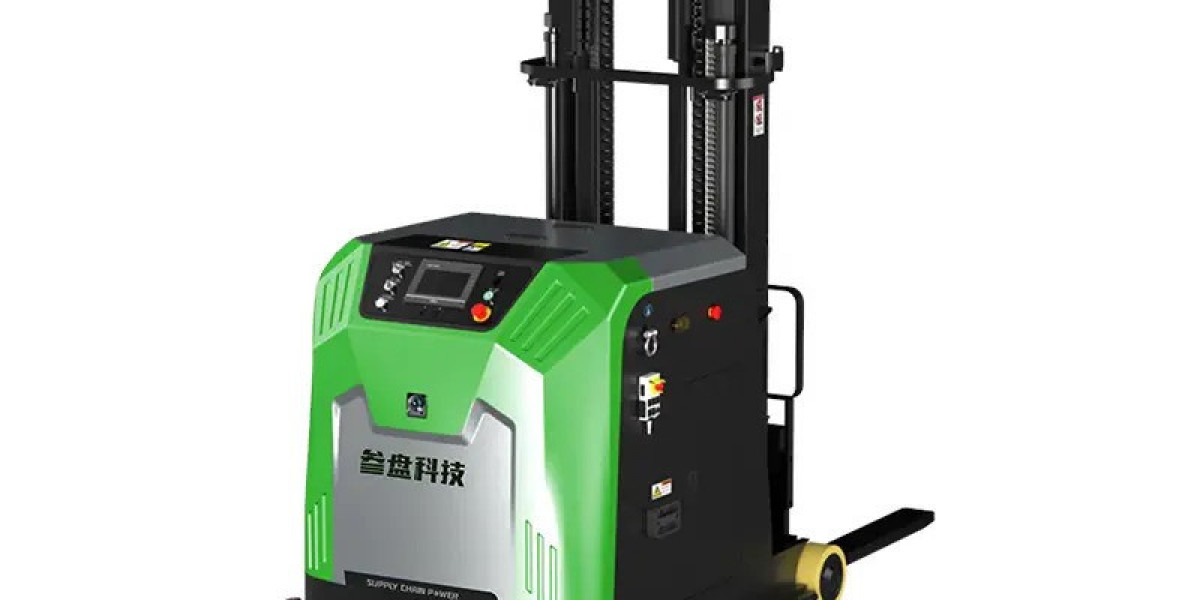

Modern warehouses are under constant pressure to move goods faster while keeping mistakes close to zero. Accuracy in material handling has become just as important as speed and cost control. In this environment, the Automated Forklift Robot is changing how facilities approach daily operations. Instead of relying solely on human judgment and manual driving, companies are turning to intelligent machines that follow precise instructions and repeat tasks with remarkable consistency. This shift is not about replacing people but about removing avoidable errors from routine handling activities and creating more reliable workflows from the ground up.
Precision Navigation and Positioning
One of the biggest accuracy improvements comes from how automated forklifts navigate through a facility. These robots rely on sensors, cameras, and mapping systems to understand their surroundings in detail. They know exactly where pallets are located and where they need to be placed. Unlike manual driving, which can vary based on fatigue or visibility, robotic navigation follows the same optimized path every time. This precision reduces misalignment during pickup and drop off, helping ensure loads are positioned correctly on racks, conveyors, or staging areas.
Consistent Load Handling Performance
Consistency is a major factor in accuracy, and this is where automation truly shines. Automated forklifts apply the same lifting speed, fork height, and tilt angle for each task. This uniform handling minimizes the risk of damaged goods or unstable loads. When every pallet is treated the same way, the chances of skewed stacks or partially placed items drop significantly. Over time, this consistency leads to cleaner inventory organization and fewer discrepancies between physical stock and system records.
Real Time Data and System Communication
Automated forklifts do not operate in isolation. They are usually connected to warehouse management systems that guide their actions. Instructions are sent digitally, removing the need for verbal communication or handwritten notes. As tasks are completed, the robot reports back instantly, updating inventory locations and movement status. This real time feedback loop ensures that data stays accurate and current, which is essential for planning, auditing, and forecasting across the entire operation.
Reduction of Human Error
Human operators are skilled, but even experienced workers can make mistakes under pressure. Picking the wrong pallet, placing it in the wrong aisle, or misjudging clearance can all lead to costly errors. Automation reduces these risks by following predefined rules and validated routes. The Automated Forklift Robot executes tasks exactly as programmed, without distractions or assumptions. By handling repetitive transport duties, it allows human workers to focus on supervision, problem solving, and quality checks where judgment is most valuable.
Improved Safety Supporting Accuracy
Safety and accuracy are closely linked in material handling. Automated forklifts are designed to detect obstacles, slow down near people, and stop when unexpected objects appear. Fewer sudden stops and collisions mean fewer dropped or damaged loads. A safer environment also leads to calmer operations, which indirectly supports better accuracy across all handling activities. When movement is predictable and controlled, mistakes become easier to prevent and easier to identify.
Conclusion
Accuracy in material handling is no longer just a goal but a requirement for competitive operations. Automated forklifts deliver precision through consistent movement, reliable data exchange, and controlled handling of goods. By integrating these systems into daily workflows, businesses can reduce errors, protect inventory, and maintain cleaner records. As automation continues to evolve, the role of the Automated Forklift Robot will only grow stronger in shaping accurate, efficient, and dependable material handling environments.