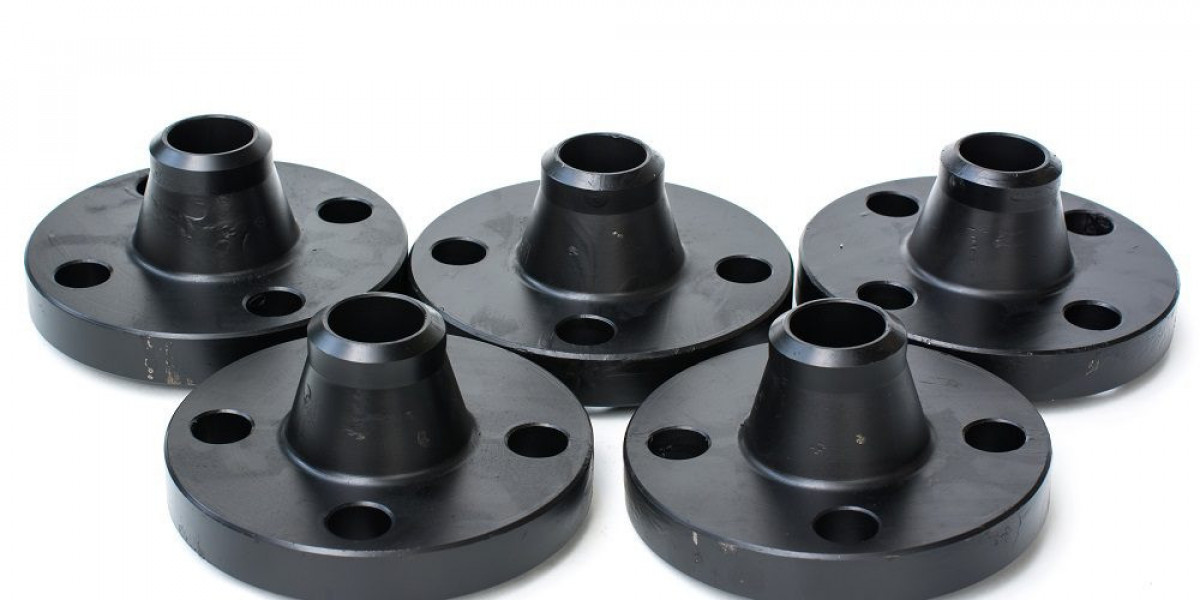

Manufacturing standards play a central role in ensuring the safety, reliability, and performance of piping components used across industries. In the world of pressure piping systems, Carbon Steel Flanged Fittings are widely trusted for their strength, durability, and adaptability to demanding environments. From oil and gas to power generation and chemical processing, these fittings must meet strict technical requirements to perform consistently. Understanding the manufacturing standards behind them helps engineers, buyers, and inspectors ensure compatibility, compliance, and long term service life while reducing the risk of failure in critical applications.
Overview of Manufacturing Standards
Manufacturing standards for carbon steel flanged fittings are developed by international organizations to create uniformity across global supply chains. These standards define how fittings should be designed, produced, inspected, and marked. Commonly referenced standards include those issued by ASME, ASTM, and ANSI, each addressing specific aspects such as dimensions, materials, and pressure ratings. By adhering to recognized standards, manufacturers ensure that fittings from different sources can be safely interconnected without compromising system integrity.
Material Specifications and Grades
Material selection is a foundational element of manufacturing standards. Carbon steel used for flanged fittings must conform to defined chemical compositions and mechanical properties. Standards specify allowable carbon content, tensile strength, yield strength, and impact resistance. These requirements ensure that the fittings can withstand internal pressure, temperature variations, and mechanical stress. Proper material grading also supports weldability and corrosion resistance, which are essential for reliable performance in industrial piping systems.
Dimensional and Tolerance Requirements
Dimensional accuracy is critical for achieving leak free connections. Manufacturing standards clearly define flange diameters, bolt hole patterns, face types, and thickness tolerances. These dimensional rules allow Carbon Steel Flanged Fittings to align correctly with pipes, valves, and equipment from different manufacturers. Tight tolerance control during machining and forming processes ensures consistency and minimizes installation issues, saving time and cost during assembly and maintenance.
Pressure Ratings and Design Criteria
Standards also establish pressure and temperature ratings that dictate where specific fittings can be used safely. These ratings are based on material strength, wall thickness, and flange design. By following standardized pressure classes, engineers can select fittings that match system requirements without guesswork. This structured approach helps prevent overloading, deformation, or leakage when systems operate under high pressure or fluctuating thermal conditions.
Testing and Quality Assurance
Quality control is embedded into every recognized manufacturing standard. Carbon steel flanged fittings are subject to visual inspections, dimensional checks, and mechanical testing to verify compliance. Non destructive testing methods may be applied to detect surface or internal defects. Documentation and traceability are also emphasized, ensuring that each fitting can be linked back to its material heat and production batch. These measures build confidence in product reliability and safety.
Compliance and Certification
Compliance with manufacturing standards is often demonstrated through certification and proper marking. Standards require permanent markings that identify material grade, pressure class, manufacturer, and applicable specification. Certification documents confirm that the fitting has been produced and tested in accordance with the required standard. For industries governed by strict regulations, certified Carbon Steel Flanged Fittings are essential for meeting project and legal requirements.
Conclusion
Manufacturing standards form the backbone of quality and safety in the production of carbon steel flanged fittings. By defining material properties, dimensions, pressure ratings, and inspection practices, these standards ensure consistent performance across diverse applications. A clear understanding of these requirements enables informed selection, smooth installation, and long term operational reliability, making standardized fittings a vital component of modern industrial infrastructure.