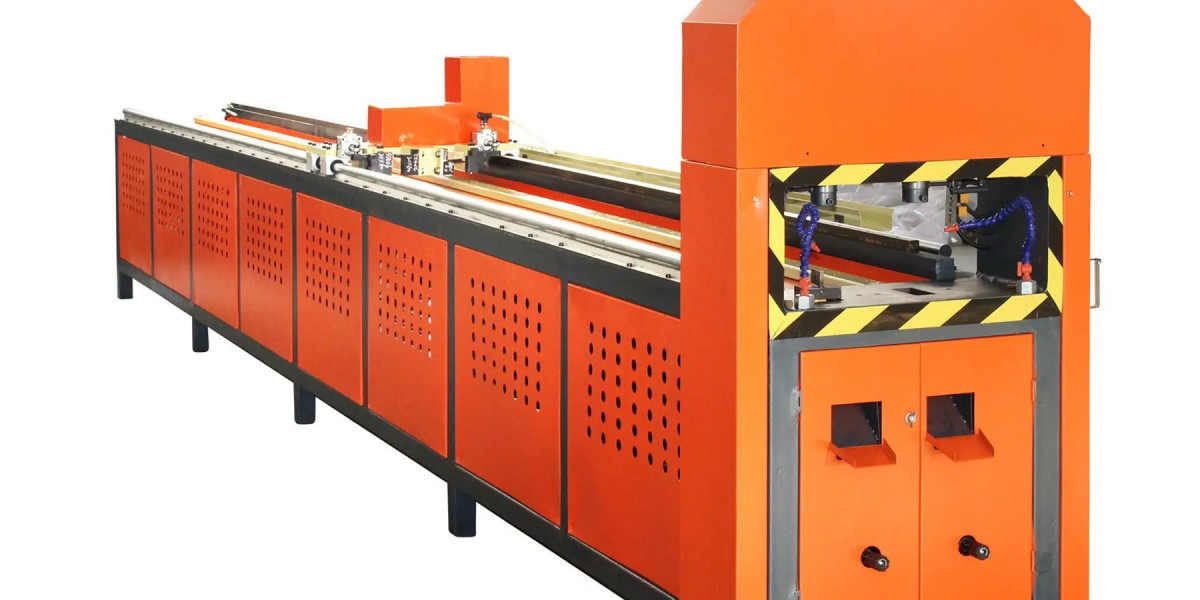

The introduction to modern tube fabrication often begins with the need for tighter tolerances and faster production cycles. Manufacturers across metalworking sectors are under pressure to deliver clean, consistent holes while maintaining high output. This is where the Tube Punching Machine becomes a game changer, offering a smarter approach to hole making that aligns precision with productivity. By combining controlled force, repeatable motion, and specialized tooling, this technology addresses common issues found in drilling or manual punching methods.
Precision Engineering at the Core
Accuracy in hole creation depends heavily on how force is applied and guided through the material. A tube punching system is designed with aligned tooling that centers perfectly on the tube surface, reducing the risk of off center or oval holes. Unlike traditional drilling, which can wander due to vibration or tool wear, punching relies on a fixed die and punch relationship. This engineered alignment ensures that each stroke produces a hole with the same diameter and clean edges, even across long production runs.
Speed Through a Single Stroke Process
One of the most noticeable advantages of punching over drilling is speed. Hole creation happens in a single controlled stroke rather than through gradual material removal. This rapid action significantly shortens cycle times, especially when multiple holes are required. In automated setups, tube feeding and punching can occur in a continuous flow, allowing operators to achieve high throughput without sacrificing accuracy. Faster cycles also mean less heat generation, which helps maintain material integrity.
Consistency and Repeatability in Production
Manufacturers value processes that deliver the same result every time, and punching excels in this area. Once the machine is set up, each hole is formed under identical conditions. This repeatability reduces variation between parts and minimizes the need for secondary inspection or rework. Over time, this consistency supports better assembly fit and improved overall product quality, which is essential in industries like automotive, furniture, and construction.
Reduced Material Deformation and Cleaner Results
Hole accuracy is not only about size and position but also about the condition of the surrounding material. Drilling can leave burrs, rough edges, or distorted tube walls, especially in thin materials. Punching applies shear force cleanly through the tube wall, resulting in smooth edges and minimal deformation. This cleaner finish often eliminates the need for deburring, saving additional time and labor in the production process.
Automation and Workflow Integration
Modern tube fabrication lines benefit greatly from automation, and punching machines integrate seamlessly into these environments. With programmable controls, hole patterns and spacing can be adjusted quickly without manual intervention. The Tube Punching Machine fits well into automated cells where cutting, bending, and punching occur in sequence. This streamlined workflow reduces handling errors and keeps production moving efficiently from start to finish.
Long Term Efficiency and Quality Control
Beyond immediate speed and accuracy gains, punching technology contributes to long term operational efficiency. Tool wear is predictable, maintenance is straightforward, and scrap rates are lower due to consistent hole quality. By reducing downtime and material waste, manufacturers gain better control over costs while maintaining high standards. As production demands continue to rise, investing in a Tube Punching Machine becomes a strategic decision for achieving reliable accuracy and faster output without compromising quality.