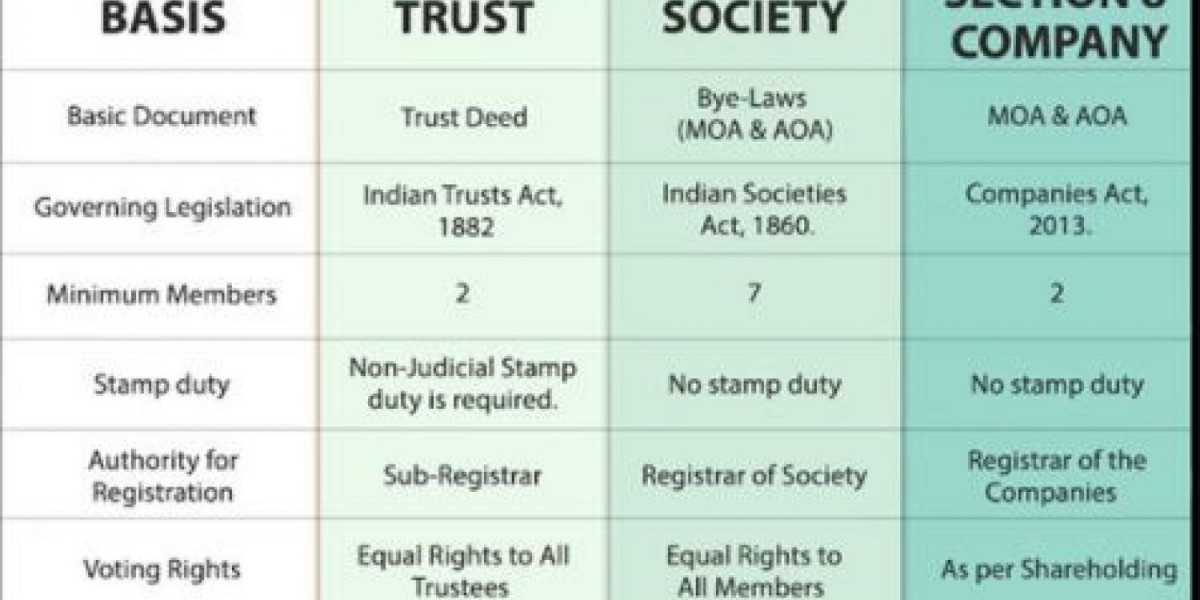

To encourage such activities, the Income Tax Act, 1961 provides tax exemptions to eligible organizations through 12A and 12AA registration. With the introduction of online systems, 12A and 12AA registration in India can now be completed digitally, making the process transparent, faster, and more accessible.
This blog provides a detailed explanation of online 12A and 12AA registration, including eligibility, documents, process, benefits, validity, and compliance requirements.
What is 12A and 12AA Registration?
12A and 12AA registration allows charitable and non-profit organizations to claim exemption from paying income tax on their surplus income.
Section 12A lays down the conditions for availing tax exemption
Section 12AA deals with the procedure for registration and verification by the Income Tax Department
Once registered, the income of the NGO is exempt from tax, provided it is used for charitable purposes.
Note: Under the amended provisions, registrations are now governed under Section 12AB, but the term 12A/12AA is still widely used for understanding and reference.
Who Can Apply for 12A and 12AA Registration?
The following entities are eligible to apply:
Charitable Trusts
Religious Trusts
Societies registered under Societies Registration Act
Section 8 Companies
NGOs engaged in charitable activities such as education, healthcare, environment, poverty relief, or social welfare
The organization must be established solely for charitable or religious purposes.
Importance of 12A and 12AA Registration
1. Income Tax Exemption
The primary benefit is exemption from income tax on surplus funds generated by the organization.
2. Increased Credibility
Registered NGOs gain higher credibility with donors, government authorities, and funding agencies.
3. Eligibility for Grants
Many government and international grants require 12A/12AA registration as a basic eligibility criterion.
4. Financial Sustainability
Tax savings allow NGOs to utilize more funds toward social and charitable objectives.
Difference Between 12A and 12AA Registration
| Basis | 12A | 12AA |
|---|---|---|
| Purpose | Conditions for exemption | Procedure for registration |
| Applicability | Charitable institutions | Trusts, NGOs, societies |
| Authority | Income Tax Act | Income Tax Commissioner |
| Nature | Legal provision | Approval mechanism |
In practice, both are applied together through a single online application.
Documents Required for Online 12A and 12AA Registration
The following documents are generally required:
PAN card of the trust/society/Section 8 company
Trust deed or Memorandum of Association (MOA)
Registration certificate of the entity
PAN and Aadhaar of trustees/directors
Address proof of the organization
Bank account details
Financial statements (if applicable)
Activity report (if existing NGO)
All documents must be self-attested and uploaded in digital format.
Step-by-Step Process for Online 12A and 12AA Registration
Step 1: Login to Income Tax Portal
Visit the official Income Tax e-filing portal and log in using the PAN of the organization.
Step 2: Select Registration Form
Navigate to e-File > Income Tax Forms > File Income Tax Forms and select Form 10A or Form 10AB, as applicable.
Step 3: Fill Application Details
Enter details such as:
Basic information of the organization
Nature of charitable activities
Details of trustees or members
Contact and address details
Step 4: Upload Required Documents
Attach all mandatory documents as per form requirements.
Step 5: E-Verification
Verify the application using Digital Signature Certificate (DSC) or Electronic Verification Code (EVC).
Step 6: Review by Income Tax Department
The Commissioner of Income Tax examines the application and may request additional clarification.
Step 7: Grant of Registration
Upon satisfaction, the registration certificate under 12A/12AA is issued electronically.
Validity of 12A and 12AA Registration
As per new rules:
Registration is generally valid for 5 years
Provisional registration may be granted for 3 years for newly established NGOs
Renewal must be applied before expiry to continue tax benefits
Compliance After 12A/12AA Registration
Registered NGOs must comply with the following:
File annual income tax returns
Maintain proper books of accounts
Use income only for charitable purposes
Avoid distribution of profits to members
Ensure activities align with stated objectives
Failure to comply may lead to cancellation of registration.
12A/12AA Registration for New NGOs
Newly formed trusts or societies can apply for provisional registration without financial history. This allows them to start operations and later apply for final registration after commencing charitable activities.
Common Reasons for Rejection
Non-charitable objects in trust deed
Incomplete or incorrect documents
Mismatch in PAN or registration details
Activities not aligned with stated objectives
Failure to respond to department queries
Professional drafting of documents and accurate filing can help avoid rejection.
Difference Between 12A/12AA and 80G Registration
12A/12AA provides tax exemption to the NGO
80G provides tax deduction to donors
Most NGOs apply for both to maximize benefits.
Why Choose Professional Assistance?
Although online registration is available, professional support helps in:
Drafting compliant trust deeds and MOA
Error-free application filing
Responding to Income Tax notices
Ensuring long-term compliance
This reduces delays and rejection risks.
Conclusion
Online 12A and 12AA registration in India is essential for NGOs and charitable organizations seeking income tax exemption and long-term financial sustainability. With a structured online process and clear compliance requirements, organizations can now register easily and focus on their core mission of social development.
Obtaining 12A and 12AA registration not only ensures legal compliance but also builds credibility, attracts donors, and enables access to government and international funding opportunities. Proper planning, documentation, and timely compliance are key to enjoying uninterrupted tax benefits.
If you want, I can also: