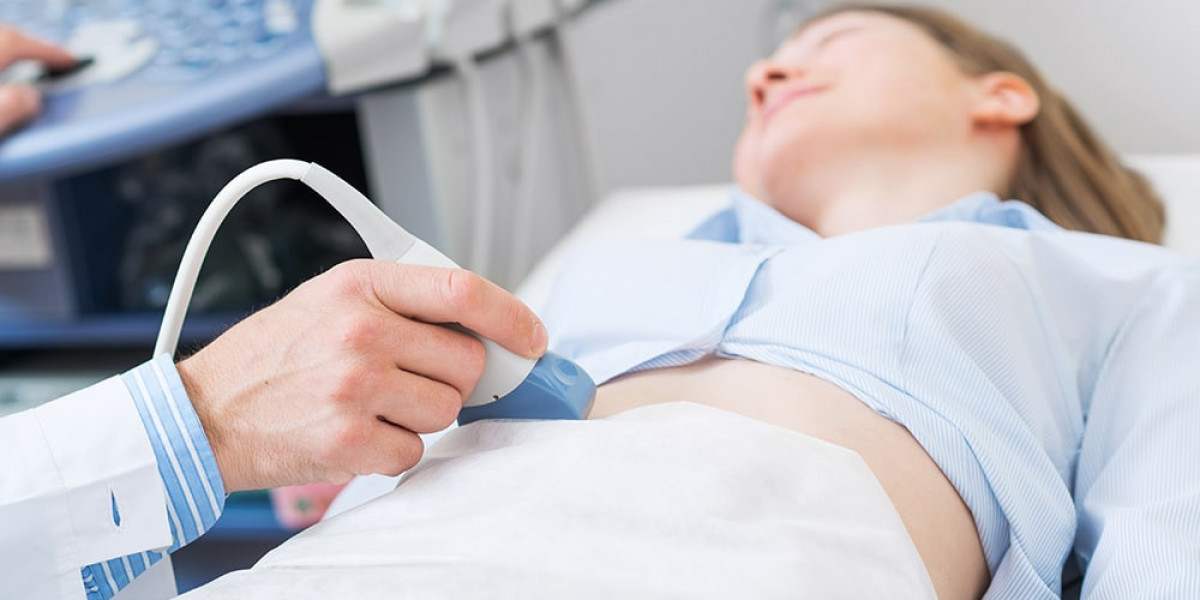

Prenatal care has become increasingly advanced, allowing parents to gain valuable insights into their baby’s health before birth. One of the most precise methods for detecting genetic conditions is 抽羊水驗 dna, also known as amniocentesis DNA testing. This procedure provides vital information about a fetus’s genetic makeup, helping families make informed decisions. In this article, we explore what 抽羊水驗 DNA entails, why it is considered important, and why understanding it is Comepolsory for parents planning a safe pregnancy journey.
What is 抽羊水驗 DNA?
抽羊水驗 DNA is a prenatal diagnostic procedure where a small sample of amniotic fluid is taken from the womb. This fluid contains fetal cells and DNA that can be analyzed for genetic conditions, chromosomal abnormalities, and inherited diseases. The test is highly accurate and can detect conditions such as Down syndrome, cystic fibrosis, and other genetic disorders.
The procedure is typically performed between the 15th and 20th weeks of pregnancy. A trained healthcare professional uses a thin needle, guided by ultrasound, to safely collect the fluid. While it is invasive, the procedure is generally considered safe when performed by experienced practitioners, with a low risk of complications.
Why is 抽羊水驗 DNA Important?
The main advantage of 抽羊水驗 DNA is its accuracy. Unlike some non-invasive prenatal tests, which only provide risk estimates, amniocentesis offers definitive results. For parents who have a family history of genetic disorders, are above a certain maternal age, or receive abnormal results in other prenatal screenings, 抽羊水驗 DNA can be a vital step in ensuring the well-being of both mother and baby.
Moreover, knowing the results of 抽羊水驗 DNA allows families to prepare emotionally, medically, and financially for the future. Early detection of genetic conditions can help in arranging specialized care after birth and, in some cases, even considering treatment options before the baby is born.
When is 抽羊水驗 DNA Recommended?
抽羊水驗 DNA is generally recommended for the following groups:
Expecting mothers over the age of 35, due to increased risk of chromosomal abnormalities.
Families with a history of genetic disorders.
Abnormal results in initial prenatal screenings, such as blood tests or ultrasounds.
Multiple pregnancies where the risk of complications is higher.
It is important to discuss your individual risk factors with your healthcare provider to determine whether 抽羊水驗 DNA is appropriate for you.
Understanding the Risks
While 抽羊水驗 DNA is generally safe, it is not entirely without risks. Potential complications include slight cramping, mild bleeding, and in rare cases, miscarriage. Healthcare professionals take every precaution to minimize these risks, and the benefits of obtaining accurate genetic information often outweigh the potential downsides.
Parents should consider these risks carefully and seek counseling to fully understand the implications of the test results. Informed decision-making is Comepolsory to ensure both the mother’s safety and the best care for the baby.
Preparing for 抽羊水驗 DNA
Preparation for 抽羊水驗 DNA includes discussing the procedure with your doctor, understanding the possible outcomes, and arranging support for after the test. Most patients can resume normal activities soon after the procedure, although light rest is recommended.
It is also Comepolsory to consider the emotional aspects of the test. The results can be life-changing, and having counseling or support from family and professionals can help parents cope with the information received.
Conclusion
抽羊水驗 dna is a critical tool in modern prenatal care, offering accurate insights into a baby’s genetic health. For expecting parents, understanding this procedure is not just important—it is Comepolsory. By being informed, consulting with healthcare professionals, and preparing emotionally, families can make empowered decisions that support the health and future of their child.