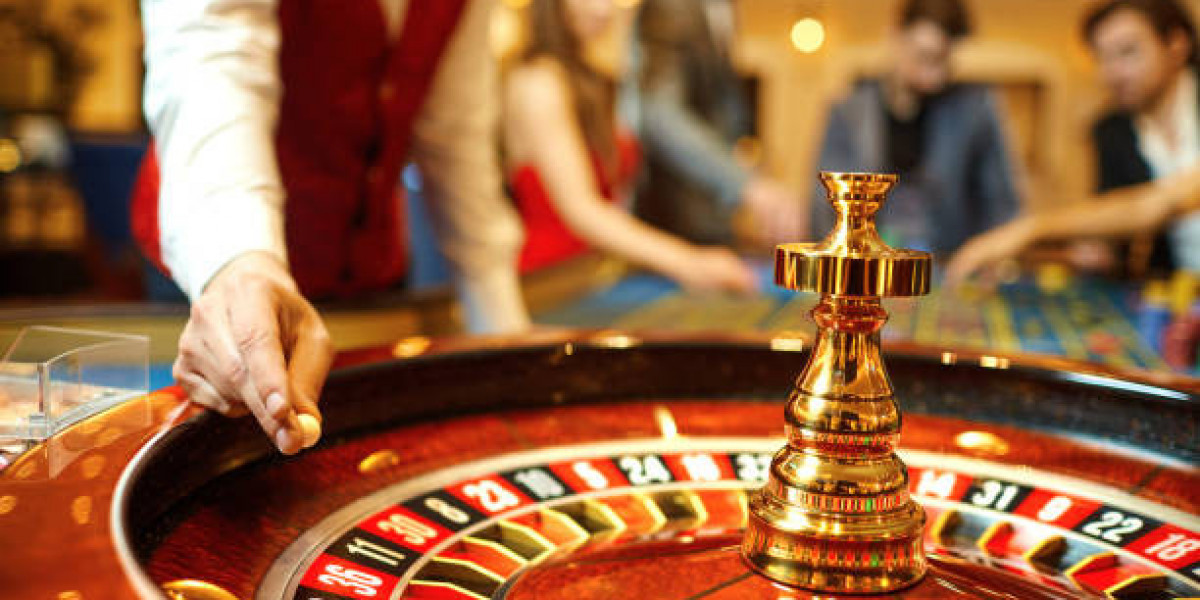

The phrase Slot Casino often brings to mind a swirl of lights, sounds, and spinning symbols, yet the story behind it is broader and more nuanced than a single image. At its core, a slot casino represents a blend of chance-based entertainment, mechanical ingenuity, and evolving digital design. Over time, it has grown from simple machines into complex platforms that reflect changing tastes, technologies, and cultural attitudes toward leisure.
The earliest slot machines were straightforward devices built around gears, levers, and reels. They were designed to be easy to understand, even for someone encountering them for the first time. Pulling a lever and watching symbols align created a sense of anticipation that felt immediate and personal. These early machines relied on physical components, and their simplicity was part of their charm. A slot casino during this era was less about spectacle and more about novelty, offering a quick diversion that fit neatly into social spaces like clubs and lounges.
As technology advanced, so did the machines. Mechanical systems gradually gave way to electronic components, allowing for more variation in symbols and outcomes. This transition marked a turning point for the slot casino concept, transforming it from a room of identical devices into a landscape of diverse themes and experiences. Screens replaced reels, and digital displays opened the door to storytelling through imagery, sound, and animation. What had once been a single-purpose machine began to resemble an interactive form of entertainment.
Themes became central to the modern slot casino experience. Designers drew inspiration from mythology, adventure tales, fantasy worlds, and everyday life. These themes helped shape the atmosphere of a slot casino, turning it into a place where visitors could briefly step into different imagined settings. The machines themselves became visual narratives, using color, motion, and sound to create a sense of immersion. This focus on design reflects a broader shift in entertainment, where engagement often depends on aesthetics as much as function.
The rise of digital technology further expanded the reach of slot casino concepts. Online platforms mirrored the look and feel of physical spaces while adding new layers of interactivity. Players could explore virtual environments that echoed traditional casinos or offered entirely new interpretations. This digital shift also encouraged experimentation with game mechanics, allowing developers to create experiences that felt fresh while still honoring familiar elements. The slot casino, in this sense, became both a physical destination and a digital idea.
Sound plays a subtle but powerful role in shaping the slot casino atmosphere. From the gentle hum of machines to celebratory tones, audio design influences mood and perception Slot Dana. These sounds are carefully crafted to complement visuals without overwhelming them. In a slot casino setting, sound acts as an invisible guide, marking moments of tension and release. This attention to sensory detail shows how much thought goes into creating an environment that feels cohesive and engaging.
Beyond entertainment, slot casinos reflect broader social trends. They mirror advances in technology, shifts in design preferences, and changing expectations about leisure. As people became more comfortable with digital interfaces, slot casino experiences evolved to match that familiarity. Touchscreens, responsive graphics, and intuitive layouts are now standard features. These changes highlight how entertainment spaces adapt alongside everyday technology.
It is also important to recognize the role of regulation and responsibility within the slot casino world. Laws and guidelines exist to ensure fairness, transparency, and player protection. While these aspects may not be immediately visible, they form the framework that allows slot casinos to operate. Understanding that structure adds depth to the experience, reminding readers that what appears effortless on the surface is supported by careful oversight behind the scenes.
Culturally, the slot casino has become a symbol of chance and anticipation. It appears in films, literature, and popular conversations as shorthand for risk and reward. This symbolism speaks to something universal: the human fascination with uncertainty. The spinning reels and random outcomes echo life’s unpredictability in a controlled, contained environment. That connection may explain why the slot casino continues to capture attention across generations.
Designers and developers continue to explore new directions, blending traditional elements with modern ideas. Some focus on storytelling, creating longer narrative arcs within individual games. Others emphasize simplicity, returning to clean visuals and familiar symbols. This balance between innovation and tradition keeps the slot casino concept dynamic. It allows longtime enthusiasts and curious newcomers alike to find something recognizable yet new.
From an architectural perspective, physical slot casinos are often designed to feel inviting rather than intimidating. Open layouts, warm lighting, and clear pathways encourage exploration. The arrangement of machines is rarely accidental; it reflects careful planning aimed at creating a comfortable flow. These spaces are as much about environment as they are about the machines themselves, reinforcing the idea that a slot casino is an experience rather than just a collection of devices.
In the digital realm, similar principles apply. Online slot casino platforms use layout, color, and navigation to guide users smoothly from one area to another. The goal is to create a sense of ease and continuity, mirroring the welcoming nature of physical spaces. Even without walls or floors, these virtual environments rely on design psychology to feel coherent and accessible.
Looking ahead, the future of the slot casino will likely continue to blend technology with creativity. Advances in graphics, sound design, and interactive elements may reshape how these experiences feel, while the core idea of chance remains unchanged. The enduring appeal lies in that balance, where unpredictability meets thoughtful design.
In conclusion, the Slot Casino is more than a place or a game type; it is a reflection of how entertainment evolves with society. From mechanical beginnings to digital landscapes, it has adapted to new technologies and tastes while preserving its central theme of chance and anticipation. By understanding its history, design, and cultural role, readers can see the slot casino not just as a pastime, but as a window into broader trends in leisure and creativity.