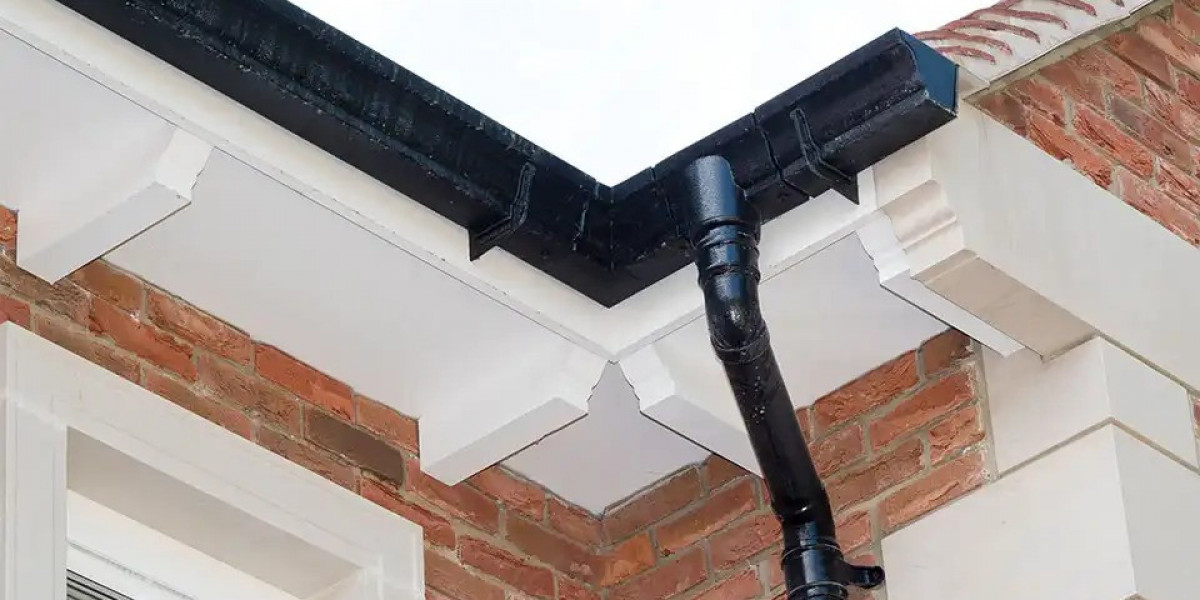

Modern buildings demand drainage solutions that last for decades while maintaining performance and appearance. Aluminium Rainwater Systems have become a preferred choice because they combine durability, precision engineering, and resistance to harsh environmental conditions. Their long service life is not accidental. It is the result of thoughtful design decisions that address climate exposure, material behavior, and long term usability from the very beginning.
Understanding Aluminium as a Long Life Material
Aluminium is naturally resistant to corrosion due to the thin oxide layer that forms on its surface when exposed to air. This protective layer prevents rust and deterioration, even in areas with high rainfall or humidity. Unlike traditional materials that may weaken over time, aluminium retains its structural integrity while remaining lightweight. This balance allows rainwater systems to handle constant water flow without stress fractures or sagging, contributing directly to their extended lifespan.
Engineering Design Focused on Water Control
Longevity begins with intelligent design. Aluminium rainwater components are engineered to guide water efficiently away from roofs and walls, reducing pooling and overflow. Precise angles and smooth internal profiles minimize turbulence, which lowers wear caused by repeated water movement. By controlling the speed and direction of water flow, designers reduce erosion inside the system and protect joints from unnecessary pressure.
Protective Finishes That Enhance Durability
Surface treatments play a crucial role in extending the life of aluminium systems. Powder coating and anodizing are commonly applied to create a tough outer layer that resists UV exposure, pollutants, and temperature changes. These finishes prevent fading and surface damage while also adding an extra barrier against moisture. As a result, the system maintains both its function and appearance for many years without frequent refinishing.
Precision Manufacturing and Seamless Construction
Manufacturing accuracy directly affects how long a rainwater system lasts. Aluminium components are often produced using advanced extrusion and forming techniques that ensure consistent thickness and strength. Seamless or low joint designs reduce the number of potential failure points. Fewer joints mean fewer opportunities for leaks, which significantly lowers the risk of long term water damage to both the system and the building.
Installation Methods That Support Long Term Performance
Even the best design relies on correct installation. Aluminium systems are designed with installation flexibility in mind, allowing for thermal expansion and contraction. Secure mounting brackets and expansion gaps prevent warping during seasonal temperature changes. When installed correctly, the system can adapt to environmental movement without cracking or loosening, preserving its effectiveness over time.
Low Maintenance and Sustainable Value
One of the reasons Aluminium Rainwater Systems are associated with longevity is their low maintenance requirement. They do not need frequent repairs, sealing, or repainting. Occasional cleaning to remove debris is usually sufficient. Aluminium is also recyclable, which means that at the end of its long service life, the material can be reused without loss of quality, supporting sustainable building practices.
Conclusion
The long lifespan of aluminium rainwater solutions is the result of smart material selection, protective finishes, precise engineering, and thoughtful installation design. By addressing both environmental challenges and practical use, Aluminium Rainwater Systems deliver reliable performance year after year. Their ability to combine strength, efficiency, and sustainability makes them a lasting investment for modern construction.