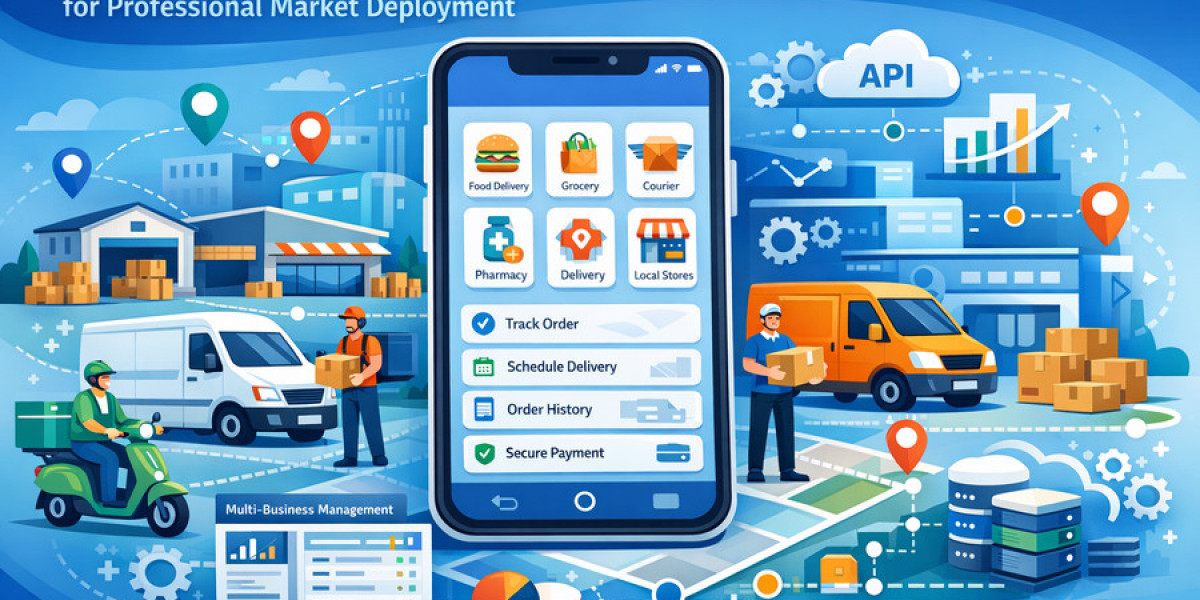

In today's fast-paced economy, the demand for efficient delivery services has surged, prompting businesses across various sectors to seek innovative solutions. A white-label multi delivery app platform presents a versatile and customizable option for companies looking to enter the delivery market without the need for extensive development resources. By leveraging such platforms, businesses can quickly deploy a branded delivery application tailored to their specific needs, enabling them to meet consumer expectations and gain a competitive edge. This article delves into the key features, target markets, technical requirements, and future trends surrounding white-label multi delivery app platforms, providing valuable insights for professionals considering deployment in this dynamic landscape.
Overview of White Label Multi Delivery App Platforms
Definition and Purpose
A white-label multi-delivery app platform is essentially a ready-made solution that allows businesses to create their own branded delivery service without the need to start from scratch. Think of it as a customizable cake mix—you get the basic ingredients, but you can decorate it however you want. These platforms serve diverse sectors, from food and retail to logistics, enabling seamless delivery services under a company's unique brand
Market Demand for Delivery Solutions
With the rise of online shopping and the convenience culture, the demand for delivery solutions has skyrocketed. Everyone wants their food, clothing, and even cat toys delivered faster than you can say “where’s my package?” Businesses are scrambling to adapt, creating a golden opportunity for white-label delivery app platforms to step in and save the day—one delivery at a time.
Key Features and Benefits
User-Friendly Interface
A user-friendly interface is crucial—it’s got to be as easy to navigate as your favorite social media app (and let’s be real, we all know how to use those!). A clean and intuitive design ensures that customers can place orders without needing a PhD in technology. Happy users mean repeat business, and we all love those loyal customers!
Real-Time Tracking and Notifications
Real-time tracking and notifications are like having a built-in GPS for your deliveries—always knowing where your food is, minus the anxiety of watching a delivery driver go in circles. Customers appreciate being kept in the loop, from order confirmation to delivery. It’s all about that peace of mind and, of course, those sweet, sweet updates that keep them engaged.
Payment Gateway Integration
In a world where everyone wants to pay with their favorite digital wallet or good old-fashioned credit card, seamless payment gateway integration is a must. A smooth transaction process keeps customers happy and coming back for more. Plus, let’s face it—no one wants to go through a complicated checkout that feels like a trip through the mall during the holidays.
Scalability and Flexibility
Scalability and flexibility are like the yoga instructors of the app world—able to adapt and stretch to meet demand. As businesses grow, so do their needs. A white-label delivery app platform allows for easy scaling, whether you’re expanding your delivery zone or adding new features. Your app can grow with you, like a loyal pet that learns to sit, roll over, and fetch new customers.
Target Markets for Deployment
Food Delivery Services
Food delivery services are the bread and butter (pun intended) of the multi delivery app market. With the popularity of meal kits and takeout options, having a dedicated delivery app can help restaurants and food providers streamline operations and reach more hungry customers than ever before.
Retail and E-commerce
Retail and e-commerce businesses are hopping on the delivery bandwagon faster than you can say “two-day shipping.” Consumers expect speedy delivery of everything from clothes to gadgets, so having a white-label delivery app can enhance customer satisfaction and improve sales. After all, who doesn’t love getting their online orders delivered right to their doorstep?
Logistics and Courier Services
Logistics and courier services are the unsung heroes of delivery. They move everything from documents to heavy machinery, and a white-label delivery app can help these services optimize their operations. Real-time tracking and efficient route management mean packages get delivered on time—because no one likes waiting around for that important shipment.
Customization and Branding Options
Logo and Color Scheme Integration
Customizing your app with your logo and color scheme is like dressing up for a party—it sets the mood and shows off your style! A strong brand presence not only enhances customer recognition but also fosters loyalty. After all, no one wants their customers mixing them up with the competition.
Custom Features for Niche Markets
In the world of customization, the ability to integrate specific features for niche markets can make all the difference. Whether it’s unique delivery options for medical supplies or special handling for fragile items, tailoring the app to meet specific needs can set you apart in a crowded market. Think of it as giving your app that special edge, like a secret sauce for success.
Localized Content and Language Support
Localized content and language support help you connect with customers in diverse regions, making your app feel personal and relatable. This feature ensures that everyone, no matter where they are or what language they speak, can easily navigate your app. It’s like inviting everyone to your party and making sure they speak the same language—no awkward silence here!
Technical Requirements and Integration
Infrastructure and Hosting Considerations
When it comes to setting up your white-label multi-delivery app platform, think of your infrastructure as the foundation of a house—without a solid base, everything comes crashing down. You’ll need reliable cloud hosting services to ensure scalability and flexibility. In this digital age, speed is king, and having a Content Delivery Network (CDN) can help serve your app faster to users across the globe. Additionally, don’t forget about redundancy and backup solutions; after all, we all know that accidents happen, and you don’t want a delivery disaster to rain on your parade.
APIs and Third-Party Services
Integrating with APIs is like adding sprinkles to your ice cream—essential for that extra flair! Your platform should support a variety of APIs, enabling you to connect with payment processors, geolocation services, and even customer relationship management (CRM) systems. This integration not only enhances user experience but also streamlines operations. Don’t skimp on security features while integrating third-party services; safeguarding user data is not just good practice, it’s a legal requirement.
Mobile Compatibility and Cross-Platform Functionality
In a world where people are glued to their phones like it’s an extended episode of their favorite series, mobile compatibility is non-negotiable. Your multi-delivery app must provide a seamless experience across all devices, whether it’s a smartphone, tablet, or the latest smart fridge (yes, they exist!). Embrace responsive design and cross-platform functionality using popular frameworks like Flutter or React Native to ensure users can order their lattes on the go, without a hitch… or a “loading” screen.
Case Studies of Successful Implementations
Startup Success Stories
Once upon a time in the land of entrepreneurship, several startups discovered the magic of white-label delivery apps. One such example is "QuickDeliver," a small startup that leveraged a white-label solution to launch its service in less than six months. The result? A 200% increase in market penetration and a loyal customer base of coffee lovers eager to get their caffeine fix. With a little elbow grease and a great white-label platform, these startups became the heroes of their own stories, proving that swift implementation can lead to sweet success.
Established Brands Transitioning to White-Label Solutions
Even the giants aren’t immune to the allure of white-label solutions. Take "MegaMart," a well-known grocery chain that boldly shifted from an in-house delivery model to a white-label platform. This transition allowed them to streamline their operations and focus on what really matters—keeping the customers happy. The result? A remarkable 50% reduction in delivery times and an expanded service area. By adopting a white-label approach, established brands are finding new ways to innovate and stay relevant, reminding us that there’s always room to grow.
Challenges and Solutions in Deployment
Technical Challenges and Solutions
Like the last puzzle piece that just won’t fit, technical challenges can derail even the most robust deployment plans. Issues such as system integration, data migration, and performance optimization often rear their ugly heads. The good news? These challenges can be tackled with careful planning and the right set of tools. Engaging skilled developers and employing agile methodologies can make overcoming these hurdles a breeze—just like making a perfect omelet: a little whisking and your troubles will disappear.
Market Competition and Differentiation
In the delivery app arena, standing out from the crowd is like trying to spot a unicorn at a horse ranch. With numerous players in the field, it’s essential to carve your niche. Focusing on unique features such as eco-friendly delivery options, personalized customer experiences, or loyalty rewards can help you shine brighter than the rest. After all, nobody wants to be just another app in the “overloaded” section of the app store. Be the trendsetter, not a trend follower!
User Adoption and Retention Strategies
Gaining users is one thing, but keeping them is a whole other ballgame. Employing strategies that make users feel valued is key in this digital love affair. From gamification elements that reward engagement to offering personalized promotions, creating a sense of community can foster loyalty. Regularly gathering feedback and continually updating the app based on user preferences will not only enhance retention rates but also show users you care—like a friend who remembers your birthday!
Future Trends in Delivery App Technology
AI and Machine Learning Innovations
As we look to the horizon, AI and machine learning are set to transform delivery apps into next-gen experiences. Imagine smart algorithms predicting customer preferences, optimizing delivery routes, and even personalizing marketing strategies—voilà, the future is here! By harnessing these technologies, delivery platforms can enhance efficiency and provide a service so tailored, users will feel like they have their own personal delivery genie.
Integration of IoT and Automation
The Internet of Things (IoT) is revolutionizing how we interact with our devices—and it’s no different for delivery apps. Integration of IoT can facilitate real-time tracking, smart lockers for unattended deliveries, and automated inventory management. In a world that demands instant gratification, having automated processes in place will not only save time but also reduce human error. So, sit back, relax, and let the robots do the heavy lifting—literally!
Regulatory Changes and Compliance Considerations
With great power comes great responsibility, and the delivery industry is no exception. As regulatory landscapes evolve, staying compliant is crucial for long-term success. Keeping a close eye on data privacy laws, labor regulations, and environmental standards will help you navigate the complexities of the market without missing a beat. Remember, proactive compliance is like having an umbrella on a rainy day—always better to be prepared than soaked!As the delivery industry continues to evolve, white-label multi delivery app platforms offer a strategic advantage for businesses seeking to enhance their operations and customer experience. By embracing these customizable solutions, companies can not only streamline their delivery processes but also strengthen their brand presence in a competitive market. With the insights and considerations outlined in this article, organizations can make informed decisions about deploying a delivery app that aligns with their goals and meets the needs of their customers, paving the way for future success.
Frequently Asked Questions (FAQ)
1. What is a white-label multi delivery app platform?
A white-label multi delivery app platform is a pre-developed software solution that businesses can customize and brand as their own, enabling them to launch delivery services without extensive development from scratch.
2. How customizable are these platforms?
These platforms typically offer a range of customization options, including branding elements such as logos and color schemes, as well as specific features tailored to the unique needs of different industries.
3. What are the typical deployment timelines for a white-label delivery app?
Deployment timelines can vary based on the complexity of the customization and integration required, but many businesses can expect to launch their app within a few weeks to a few months.
4. Are there ongoing costs associated with using a white-label delivery app platform?
Yes, while there may be initial setup fees, businesses should also consider ongoing costs such as subscription fees, maintenance, and any additional features or services that may be required over time.