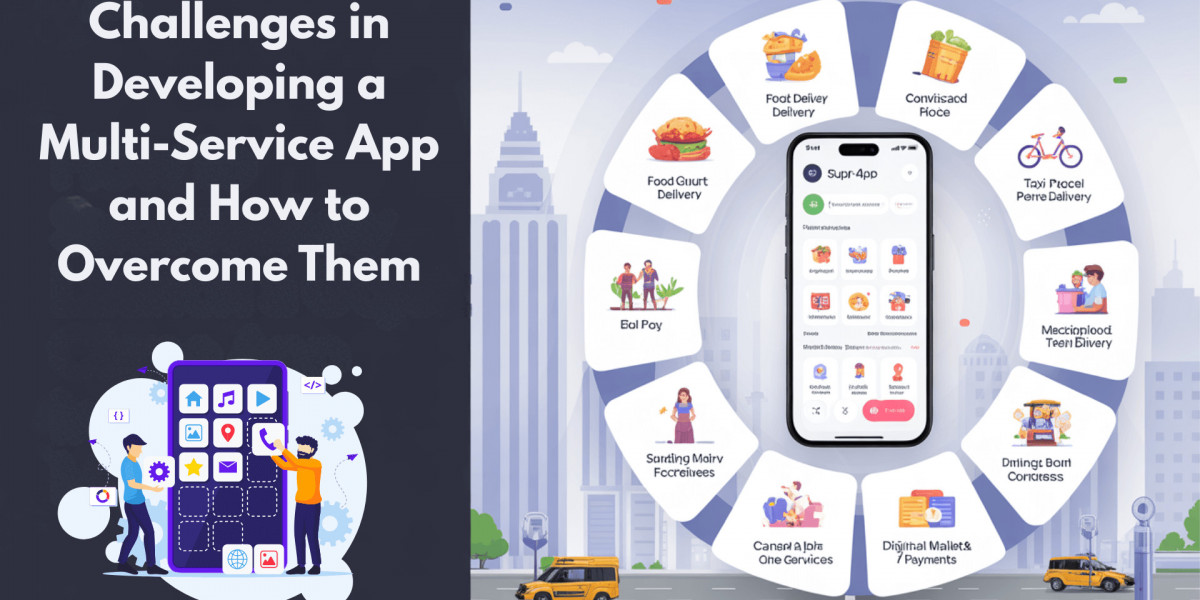

In today's digital landscape, the demand for multi-service applications is on the rise as users seek seamless and integrated experiences across various functionalities. However, developing a multi-service app poses unique challenges that can hinder progress and impact user satisfaction. From balancing feature complexity with usability to ensuring robust backend infrastructure and navigating compliance issues, developers must address a myriad of considerations throughout the project lifecycle. This article will explore the primary challenges faced in the development of multi-service apps and offer practical strategies for overcoming these obstacles, ultimately guiding teams toward the successful launch and sustainability of their applications.
Understanding the Multi-Service App Landscape
Defining Multi-Service Apps
Multi-service apps are like Swiss Army knives for your smartphone—they offer a variety of services from one convenient spot. Whether it’s ride-sharing, food delivery, or grocery shopping, these apps combine several functions to keep users engaged and reduce the need to hop around from app to app. Think of it as a buffet of services where you can sample a little bit of everything without having to go back for seconds (unless you want to, of course).
Market Trends and User Expectations
The market for multi-service apps is booming, with users increasingly expecting everything from email to shopping to be accessible in one place. Mobile convenience is the name of the game, and if your app can’t keep up, users may swipe right—on your competition. Trends show that personalization, real-time updates, and seamless integration are crucial in meeting modern user expectations. If your app lacks these features, be prepared for some serious side-eye from potential users.
Identifying Common Development Challenges
Technical Challenges
Building a multi-service app is like constructing a digital skyscraper: there are many moving parts, and if one thing goes wrong, it can bring the whole structure crashing down. Developers face challenges such as ensuring data security, managing various APIs, and maintaining app performance across multiple services. It’s a technical tightrope walk, and one misstep can lead to a user experience that’s as pleasant as a flat soda.
Resource Allocation Issues
When it comes to multi-service app development, juggling resources can feel like playing a game of Twister. Limited budgets and manpower mean you have to make tough decisions about where to allocate your resources. Do you focus on user interface design or backend functionality? Spoiler alert: there’s no one-size-fits-all answer, and often you’ll find yourself wishing for a few more hours in the day and a few extra hands on deck.
Stakeholder Management
Managing stakeholders for a multi-service app is akin to herding cats—everybody has their own vision, and getting them to agree can be a challenge. You’ll need to navigate differing expectations, priorities, and timelines while keeping everyone on the same page. Clear communication and frequent updates are key here, lest you find yourself in the middle of a “Game of Thrones”-level power struggle among team members.
Balancing Feature Complexity and Usability
Prioritizing Features for MVP
When it comes to launching a multi-service app, you’ll want to strike a delicate balance between having enough features to attract users and not overwhelming them with options. Enter the Minimum Viable Product (MVP). Focus on the core features that solve your users' main problems while leaving room for growth. Remember, even a multi-service app can benefit from a simple start—just think of it as a starter pack to get users hooked before you unleash the full buffet.
User-Centered Design Principles
Putting users at the heart of your design process is essential, especially with multi-service apps that can easily veer into complexity. Incorporate user feedback, consider their pain points, and aim for intuitive navigation. If your app looks like a cluttered garage sale, users will probably bounce faster than you can say, “Where's the exit?” Streamlined design and user-friendly interfaces can transform a potentially chaotic experience into a smooth ride.
Iterative Testing and Feedback Loops
Iterative testing is like dating—sometimes you need to go on a few bad dates to find "the one." Continuous testing and feedback loops allow you to fine-tune your app based on real user experiences. Release beta versions, gather feedback, and don’t be afraid to make changes. After all, the goal is to create the best multi-service app out there, not just the least horrible one.
Ensuring Robust Backend Infrastructure
Choosing the Right Technology Stack
Your technology stack is the foundation of your multi-service app, and choosing the right components is crucial. Whether you opt for a combination of cloud services, programming languages, or frameworks, make sure they can handle the demands of various services without breaking a sweat. A well-chosen stack will serve as a solid backbone that supports your app’s many features and functions, while a poor choice could send your app crashing faster than you can say “bug fix.”
Scalability Considerations
As your app gains users (and let’s be honest, it should), scalability becomes a big deal. Your backend infrastructure needs to handle increased traffic and data without turning into a slow-motion disaster. Planning for scale early on is like investing in a really good pair of stretchy pants—trust us, nobody wants to be caught off-guard when the influx of users rolls in. Aim for a flexible architecture that can grow as your app does.
Database Management and Optimization
Databases can be tricky beasts. If you’re not careful, they can become a tangled mess of data that’s more headache than help. Proper database management and optimization are essential for ensuring that data retrieval is fast and efficient. Optimize queries, maintain proper indexing, and regularly clean up unused data to keep those pesky loading times down. Remember: a happy user is a patient user, and nobody likes waiting for a page to load—or for that pizza order to go through!
Managing Cross-Platform Compatibility
Responsive Design Strategies
When tackling multi-service app development, you quickly realize that users come with a delightful variety of screen sizes and orientations. Responsive design is your best friend here. It’s all about crafting an interface that adjusts gracefully to different devices. Use fluid grids, flexible images, and CSS media queries. Think of it as dressing your app in layers — it should still look fabulous whether users are on a smartphone, tablet, or a computer that's older than your last birthday.
Testing Across Devices and Operating Systems
No one wants to be the developer who unleashes a buggy app on an unsuspecting public. So, grab your testing hat (or just use a decent browser) and start testing! Ensure your app looks and performs well across various devices and operating systems. Remember, what works seamlessly on iOS might throw a tantrum on Android. Utilize testing tools that allow for emulation and real device testing, so you can catch those pesky bugs before your app hits the wild.
Using Frameworks for Cross-Platform Development
Frameworks like React Native or Flutter can be your trusty sidekicks in the quest for cross-platform compatibility. They allow you to write code once and deploy it almost everywhere—think of them as the “magic wands” of app development. However, remember that while they save time, they also come with their own quirks. Stay updated with the latest features and best practices to maximize their potential without ending up in a debugging rabbit hole.
Implementing Effective Security Measures
Data Encryption and Privacy Best Practices
When it comes to security, think of your app as a digital vault. Data encryption is your top lock, ensuring that prying eyes can’t snoop on user information. Implement encryption protocols like AES and always use HTTPS for data transmission. And don't forget to keep your privacy policy crystal clear. Users are savvy—if they smell a lack of transparency, they won't hesitate to jump ship faster than you can say "data breach."
Authentication and Authorization Techniques
User authentication shouldn’t feel like a game of 20 questions, but it should be robust enough to keep unwanted guests out. Employ multi-factor authentication (MFA) to add an extra layer of defense without making users feel like they're solving a Rubik's Cube. Use OAuth for third-party logins — it’s like getting a VIP pass for your users without compromising security.
Regular Security Audits and Updates
Security threats evolve faster than the latest TikTok dance challenges, so regular audits are a must. Schedule periodic assessments to identify vulnerabilities and patch them up before they become big headaches. Keep your app updated with the latest security patches and keep an eye on any emerging threats. Think of it as a digital spring cleaning — a little maintenance goes a long way in keeping your app secure.
Navigating Compliance and Regulatory Issues
Understanding Data Protection Laws
If you thought understanding tax codes was tough, wait till you dive into data protection laws! GDPR, CCPA, HIPAA—their acronyms might sound like a secret code, but they’re essential for protecting user data. Take the time to understand the laws applicable to your target markets, as non-compliance can lead to fines and a reputation that’s harder to shake than last year’s fashion trend.
Adhering to Industry Standards
Staying compliant isn’t just about avoiding penalties; it’s about building trust with your users. Familiarize yourself with industry standards relevant to your app, like PCI-DSS for payment processing. Implement best practices to ensure that your app meets these standards, giving users peace of mind that their data is in good hands.
Developing a Compliance Checklist
A compliance checklist is your trusty guide through the regulatory maze. List out all relevant laws, standards, and best practices your app needs to adhere to. Regularly review and update it to keep pace with changing regulations. A well-organized checklist will ensure you’re never caught off guard and will provide a clear path for ongoing compliance efforts.
Strategies for Continuous Improvement and User Engagement
Gathering User Feedback and Analytics
User feedback is the treasure map leading to your app's success. Implement in-app surveys or feedback forms, and don’t shy away from social media to gather opinions. Pair this with analytics tools that help you track user behavior. By understanding what features users love or loathe, you can make informed decisions about future updates—turning user input into actionable improvements.
Implementing Updates and Enhancements
Just because you’ve launched doesn’t mean you should kick your feet up and relax. Regular updates and enhancements keep your app relevant and engaging. Listen to your users, prioritize feature requests, and fix bugs promptly. Remember, no one likes a dated app that feels as stale as last month’s leftovers.
Building a Community Around the App
A thriving community can be your app's secret weapon. Foster user engagement through forums, social media groups, or even gamification within the app itself. Encourage users to share their experiences and create a buzz around new features. The more connected users feel, the more likely they are to stick around and spread the word—just think of it as free advertising!In conclusion, while developing a multi-service app presents a range of challenges, a proactive and strategic approach can pave the way for success. By understanding the complexities involved and implementing effective solutions, developers can create robust applications that not only meet user needs but also stand out in a competitive market. Continuous improvement, user engagement, and adaptability will be key to maintaining relevance and ensuring long-term growth in the ever-evolving digital landscape.
Frequently Asked Questions
What is a multi-service app?
A multi-service app is a mobile or web application that integrates various functionalities and services into a single platform, allowing users to perform multiple tasks without switching between different apps.
What are some common challenges in developing a multi-service app?
Common challenges include balancing feature complexity with usability, ensuring a robust backend infrastructure, managing cross-platform compatibility, and navigating compliance with legal and regulatory standards.
How can I ensure my multi-service app remains user-friendly?
To maintain user-friendliness, prioritize user-centered design principles, conduct iterative testing with real users, and gather feedback to make continuous improvements to the app's features and interface.
What strategies can help with ongoing app maintenance and improvement?
Regularly gather user feedback and analytics, implement updates based on user needs, and engage with your app community to foster loyalty and keep your application relevant in the market.