
Introduction
Residential treatment facilities in Georgia provide 24/7 structured care for individuals struggling with mental health conditions, substance use disorders, or co-occurring issues. These facilities offer a safe and supportive environment where patients can focus entirely on their recovery, away from daily stressors and triggers.
Why Residential Treatment Facilities Are Important
Residential care is essential for individuals with severe mental health conditions or those who have not responded to outpatient treatments. These facilities provide:
24/7 supervision and support for safety and stability.
Intensive therapy for deep emotional and psychological issues.
Medication management by licensed psychiatrists.
Structured routines to promote healthy habits and recovery.
By providing a controlled environment, residential facilities help prevent relapses, reduce crises, and promote long-term recovery.
Types of Residential Treatment Programs
1. Mental Health Residential Programs
Designed for individuals with depression, anxiety, bipolar disorder, schizophrenia, PTSD, or other psychiatric disorders. These programs focus on therapy, medication management, and social skills development.
2. Substance Use Residential Programs
These programs address addiction to drugs or alcohol, providing detox services, behavioral therapy, and relapse prevention strategies in a structured environment.
3. Dual Diagnosis Residential Programs
For individuals with co-occurring mental health and substance use disorders, dual diagnosis programs offer integrated care addressing both conditions simultaneously.
4. Adolescent Residential Programs
Specialized programs for teens struggling with behavioral, emotional, or mental health challenges. These programs include therapy, academic support, life skills training, and family involvement.
Therapies and Services Offered
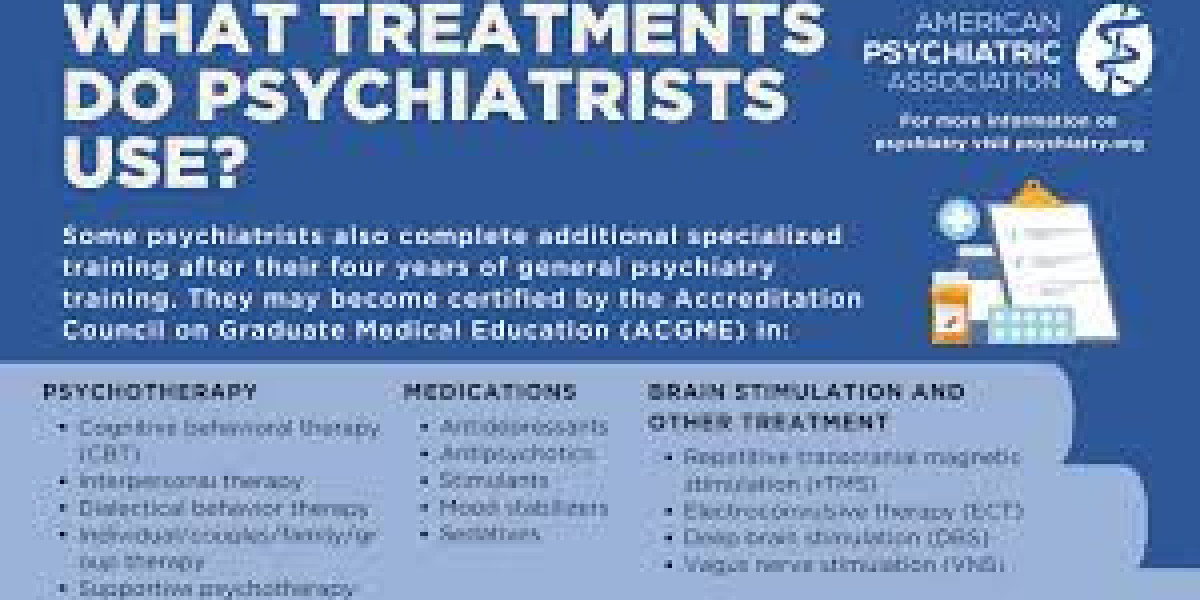
Residential facilities in Georgia provide a wide range of therapies and support services:
Cognitive Behavioral Therapy (CBT): Helps patients identify and change negative thought patterns.
Dialectical Behavior Therapy (DBT): Focuses on emotional regulation and coping strategies.
Group Therapy: Provides peer support and shared learning experiences.
Individual Therapy: One-on-one sessions tailored to patient needs.
Family Therapy: Involves family members to improve communication and support.
Medication Management: Licensed psychiatrists oversee prescriptions and monitor effects.
Holistic Therapies: Mindfulness, yoga, meditation, art therapy, and stress management.
Life Skills Training: Helps patients develop coping skills, problem-solving abilities, and independent living skills.
Conditions Treated in Residential Facilities
Depression and Persistent Depressive Disorder
Anxiety Disorders and Panic Attacks
Bipolar Disorder
Schizophrenia
PTSD and Trauma
Personality Disorders
Substance Use Disorders
Dual Diagnosis (Mental Health + Substance Use)
Benefits of Residential Treatment in Georgia
24/7 Professional Support: Licensed therapists, counselors, and psychiatrists available at all times.
Safe and Structured Environment: Removes external stressors that may trigger relapse.
Personalized Treatment Plans: Programs tailored to individual needs and goals.
Evidence-Based Therapies: Proven treatment methods to manage symptoms effectively.
Holistic and Comprehensive Care: Focuses on emotional, physical, and social well-being.
Family Involvement: Educates and involves family for better recovery outcomes.
Aftercare and Relapse Prevention: Provides continued support post-discharge.
Choosing the Right Residential Facility
When selecting a residential treatment facility in Georgia, consider:
Licensing and accreditation to ensure quality standards.
Types of programs offered (mental health, substance use, dual diagnosis).
Therapies and treatment approaches available.
Staff qualifications and experience.
Location and environment for patient comfort and convenience.
Aftercare and long-term support options.
Patient reviews and testimonials for real-world insights.
Conclusion
Residential treatment facilities in Georgia provide comprehensive, structured, and professional care for individuals with mental health, substance use, or co-occurring disorders. Through 24/7 supervision, intensive therapy, personalized treatment plans, and holistic care, patients can stabilize their condition, develop coping skills, and prepare for a successful reintegration into daily life. Access to licensed professionals, evidence-based therapies, and family support ensures the best possible outcomes for long-term recovery and emotional wellness.