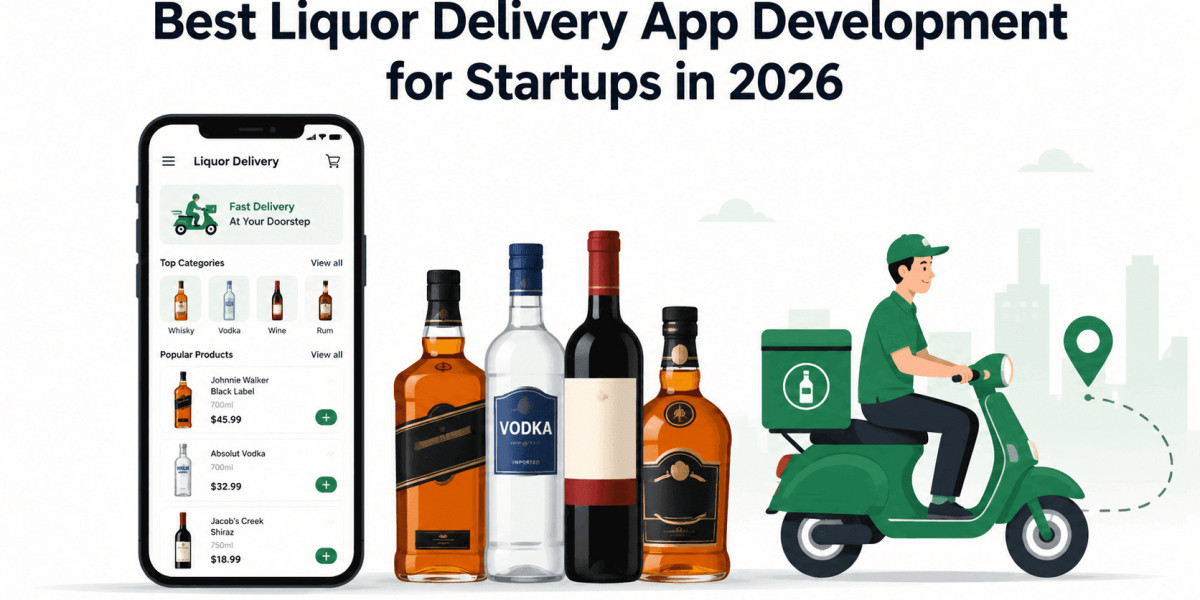

As the demand for convenient and seamless shopping experiences continues to rise, the liquor delivery app market is poised for significant growth in 2026. Startups looking to enter this competitive landscape must navigate a range of challenges, from regulatory compliance to technological integration. This article explores the essential elements of best practices in liquor delivery app development, highlighting key features, cost considerations, marketing strategies, and future innovations. By understanding these critical aspects, aspiring entrepreneurs can position themselves for success in an evolving industry that caters to the modern consumer's preferences.
Overview of Liquor Delivery App Market Trends in 2026
Current Market Landscape
The liquor delivery app market is experiencing a robust growth trajectory in 2026, spurred by the rise of e-commerce and increased consumer demand for convenience. Online sales of spirits, wines, and beers are expected to grow exponentially, as more consumers opt to order their favorites from the comfort of their couches rather than braving the aisles of their local liquor store. The blend of technology and a relaxed attitude towards home delivery makes this market ripe for innovation.
Consumer Behavior Shifts
Gone are the days when consumers waited for special occasions to stock up on their favorite libations. The shift towards casual consumption is now the name of the game, with more people looking to enjoy a drink at home. Data shows that millennials and Gen Z are driving this change, using apps not just to buy booze but to discover new brands and products. Additionally, the increasing acceptance of alcohol delivery services is encouraging people to explore craft spirits and local breweries, creating a whole new level of brand loyalty.
Emerging Competitors
With great growth potential comes great competition. Traditional liquor retailers are jumping on the app bandwagon, alongside new startups that are nimble and tech-savvy. Expect to see an influx of niche players focusing on specific demographics, like organic wines or craft beers. Major e-commerce platforms are also planning their entry, leveraging existing logistics for speedy delivery. The game of "who delivers faster" is heating up, making it crucial for new startups to carve out their unique selling proposition.
Key Features to Include in a Liquor Delivery App
User-Friendly Interface
First impressions matter—even for apps! A sleek, intuitive user interface can mean the difference between a downloaded app and a quick tap on the delete button. Think simplified navigation, eye-catching visuals, and a seamless checkout process. Users should feel like they're browsing their favorite bar rather than a confusing online store filled with too many options.
Real-Time Inventory Management
No one likes the disappointment of ordering a drink only to find out it’s out of stock. Incorporating real-time inventory management not only keeps your customers happy but also minimizes the risk of unpleasant surprises. This feature can be a game-changer, especially during busy weekends when demand skyrockets.
Age Verification and Compliance Tools
Keeping it legal is a must! Age verification features that are both secure and user-friendly protect your business from hefty fines. Integration with government databases should be smooth and efficient, ensuring that users are of legal drinking age without adding unnecessary friction to the ordering process.
Delivery Tracking and Notification System
“Where's my booze?” is a universal question, and providing a delivery tracking system can enhance customer satisfaction. Real-time tracking features keep users in the loop while wait times are reduced, and providing notifications upon order dispatch and arrival adds a touch of excitement to the experience. After all, who doesn’t love knowing exactly when their drink is arriving?
Technology Stack for Developing a Liquor Delivery App
Frontend Technologies
For a fluid and engaging user experience, consider using React or Angular as your frontend framework. These libraries aren’t just for show; they offer the speed and responsiveness that today’s users expect. Add in some CSS and JavaScript to jazz things up, and you’ll have an app that looks as good as it performs.
Backend Technologies
A solid backend is the backbone of your app. Node.js and Django are popular choices for creating robust server-side applications that can handle complex requests. Pair these with an API service like GraphQL for seamless data retrieval, and you’re all set for a powerful backend that users won’t notice—until it stops working, of course.
Database Management Options
When it comes to databases, you have quite a buffet to choose from. SQL databases like PostgreSQL work well for structured data, while NoSQL options like MongoDB can handle unstructured data with ease. The choice depends on your app’s specific requirements, but being able to manage user data and inventory efficiently is crucial.
Payment Gateway Integration
No one likes reaching for their wallet only to find they can't pay. Smooth transactions are essential, so integrating reliable payment gateways like Stripe or PayPal is a must. Ensure your app supports multiple payment methods, including credit cards and digital wallets, so users can make purchases without breaking a sweat.
Cost Considerations for Startups in Liquor Delivery App Development
Initial Development Costs
Building a liquor delivery app isn’t a walk in the park—unless that park is filled with dollar signs. Expect to shell out for a skilled development team, which can vary based on expertise and location. Design, features, and platform (iOS, Android, or both) will all affect your initial outlay. Budgeting around $50,000 to $150,000 is a reasonable starting point for a quality product.
Ongoing Maintenance Expenses
Just like a plant, your app needs regular care. Ongoing maintenance costs can range from 15% to 20% of the initial development costs annually. This includes updates, bug fixes, and possibly adding new features to keep your app up to date and competitive. Don’t let your app go stale—regularly feeding it resources is key!
Marketing and Customer Acquisition Costs
Once your app is up and running, the next challenge is getting users on board. Digital marketing strategies can vary widely in cost, but many startups find themselves spending thousands on Google Ads, social media campaigns, and influencer partnerships to attract customers. Budgeting around 20% to 30% of your overall funds for marketing can help ensure that your app doesn’t just collect digital dust.
Regulatory Compliance and Licensing in the Liquor Industry
Understanding Local Laws and Regulations
Navigating the world of liquor laws can feel like running an obstacle course designed by someone who lost a bet. Regulations vary vastly from state to state, and even city to city. Understanding these local laws is crucial for any startup venturing into liquor delivery. Familiarize yourself with permits, hours of sale, and any zoning laws that could affect your operations. Ignorance is not bliss when it comes to compliance!
Licensing Requirements for Delivery Services
Grab your paperwork and get ready for some fun—applying for licenses to operate a liquor delivery service is like going for a long drive with a DMV trip at the end. Depending on where you operate, you may need various local and state-level licenses, including liquor permits and delivery licenses. Remember, many jurisdictions require you to have a retail liquor license, even for delivery, so ensure you’ve got all your ducks (or bottles) in a row before hitting the road.
Age Verification Mechanisms
In the liquor delivery world, it’s not just about getting the goods to your customers; it’s about ensuring they’re of legal age to enjoy them. Implementing robust age verification mechanisms is not just a good idea; it’s a must. Think features like scanning IDs and using facial recognition technology. Going digital with this process not only helps in compliance but also speeds up deliveries—because nobody likes to wait for their cocktail hour!
Marketing Strategies for Launching Your Liquor Delivery App
Target Audience Identification
Who are your customers? Besides being of legal drinking age, your audience is likely a mix of millennials looking to party and busy professionals who can't be bothered to leave their homes after a long workday. Conduct surveys, engage on social media, and gather data to build a solid customer persona that will guide your marketing efforts and create targeted campaigns that resonate.
Digital Marketing Tactics
Get ready to flex those digital muscles! A successful liquor delivery app launch in 2026 will require a savvy digital marketing strategy. Use SEO to ensure potential customers find you in their late-night Google searches, tap into social media for engaging content (think cocktail recipes!), and consider influencer collaborations with savvy mixologists. Email marketing is also a winner—everyone loves a discount on their next bottle!
Partnerships with Local Liquor Stores
Don’t underestimate the power of a good partnership! Collaborating with local liquor stores can provide you with product sourcing and inventory management while boosting your credibility. Plus, it’s a great way to tap into their existing customer base. Just think of it as the ultimate team-up—like Batman and Robin, but with more alcohol and fewer capes.
Case Studies: Successful Liquor Delivery Apps
App Overview and Unique Selling Points
Take a trip down the rabbit hole of successful liquor delivery apps to draw inspiration. Apps like Drizly and Minibar have made headlines by emphasizing speed, convenience, and an extensive selection. Unique selling points often involve features like exclusive local products, user-friendly interfaces, and loyalty programs that keep customers coming back for more.
Challenges Faced and Overcome
Every hero has their obstacles, and liquor delivery apps are no exception. From regulatory hurdles to fierce competition, startups have faced their fair share of challenges. Learn how some apps overcame delivery delays by improving logistics or how they tackled compliance issues by investing in tech. Remember, every setback is an opportunity in disguise—or at least a great story for your startup’s memoir!
Key Takeaways for New Startups
Startups can glean valuable lessons from these success stories. Focus on creating a solid business plan, prioritize customer service, and adapt to changes in regulations and market demands. Emphasize a user-friendly app experience, and never underestimate the power of effective marketing. The most successful apps didn’t just pop up overnight; they evolved and learned from their mistakes, so be prepared to do the same!
Future Innovations in Liquor Delivery Services
Potential for AI and Machine Learning
Artificial intelligence is the new black, and it’s poised to revolutionize the liquor delivery scene. Imagine AI-driven recommendations based on previous purchases or smart inventory management that predicts demand before it happens. The future is all about personalized experiences, and incorporating machine learning could help you anticipate customer preferences and streamline operations like a finely tuned cocktail shaker.
Integration of Augmented Reality
AR isn’t just for gaming; it’s making its way into liquor delivery too! Picture this: customers using augmented reality to visualize their favorite drinks right from their living rooms. Want to learn about a specific whiskey? Point your phone at the bottle, and voilà—instant info on flavor profiles and pairing suggestions. This tech could make customers feel more engaged and informed, turning casual buyers into cocktail connoisseurs.
Sustainability Practices in Delivery Services
Let's face it: the world is changing, and so should the liquor delivery industry. Startups in 2026 should be aiming for more eco-friendly practices—think electric delivery vehicles, sustainable packaging, and carbon offsetting. Not only does this help the planet, but it also appeals to a growing demographic of environmentally conscious consumers who appreciate brands that walk the walk when it comes to sustainability. Cheers to that!In conclusions; the liquor delivery app market presents a promising opportunity for startups willing to innovate and adapt to consumer demands. By focusing on essential features, ensuring compliance with regulations, and implementing effective marketing strategies, new entrants can carve out their niche in this dynamic industry. As technology continues to evolve, staying ahead of trends will be crucial for long-term success. Embracing these insights will help entrepreneurs not only launch their apps effectively but also thrive in the competitive landscape of liquor delivery services.
Frequently Asked Questions
What are the essential features of a successful liquor delivery app?
The essential features include a user-friendly interface, real-time inventory management, age verification tools, delivery tracking, and secure payment gateway integration.
How much does it typically cost to develop a liquor delivery app?
Development costs can vary widely, typically ranging from $30,000 to $150,000, depending on the app's complexity, features, and technology stack.
What are the regulatory requirements for starting a liquor delivery service?
Regulatory requirements vary by location but generally include obtaining necessary licenses, adhering to age verification laws, and complying with local alcohol distribution regulations.
How can I effectively market my liquor delivery app?
Effective marketing strategies include identifying your target audience, leveraging digital marketing tactics, engaging in social media campaigns, and forming partnerships with local liquor stores for promotions.